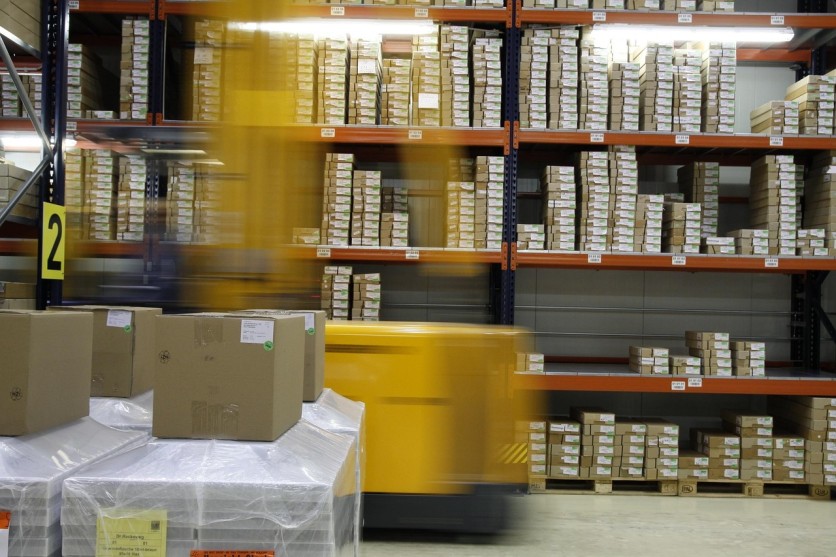
AI-powered robots are rapidly transforming warehouse operations, displacing traditional manual roles through advanced automation in 2026. These AI warehouse robots handle tasks like picking, sorting, and palletizing with unmatched speed and precision, addressing labor shortages and boosting efficiency.
As robotics in 2026 trends accelerate, automation jobs evolve, creating a hybrid workforce where humans oversee intelligent systems.
Introduction to AI Warehouse Robots
AI warehouse robots represent autonomous machines equipped with artificial intelligence for navigating, perceiving, and executing warehouse tasks. In 2026, these systems integrate AI algorithms with sensors, computer vision, and machine learning to process real-time data from dynamic environments.
Industry adoption surges as the global warehouse automation market grows significantly, driven by AI warehouse robots that optimize workflows. These robots are capable of learning from their environment and adapting to new tasks without constant human reprogramming, making them more versatile and efficient than earlier generations.
Why Automation Jobs Are Increasing in Warehousing
Labor shortages and rising operational costs propel the shift toward automation jobs in warehouses. AI-powered robots enhance efficiency by operating 24/7 without fatigue, reducing processing times significantly in picking and sorting operations. This increased efficiency allows companies to meet growing e-commerce demand and tighter delivery windows.
However, as automation handles more routine tasks, new job categories are emerging focused on robot management, maintenance, programming, and data analysis. These automation jobs require workers to develop technical skills to collaborate effectively with AI systems and ensure smooth operation of automated processes.
How Robotics Are Transforming Warehousing in 2026
Robots in 2026 execute core operations including inbound de-palletizing, transport, and outbound fulfillment. Autonomous mobile robots (AMRs), robotic arms, and AI-driven sorters dominate, handling mixed pallets and irregular items via advanced gripping technology.
Integration of AI allows these robots to coordinate as a fleet, optimizing routes and workload distribution to maximize throughput. Robotics in 2026 also includes advancements in swarm robotics, where multiple smaller robots work collaboratively on complex tasks, further enhancing warehouse flexibility and scalability.
This collaborative robotic approach enables warehouses to dynamically adjust to demand fluctuations without costly downtime.
What Are the Benefits of AI Warehouse Robots?
AI warehouse robots elevate productivity by streamlining tasks and slashing error rates in high-volume settings. Predictive maintenance via AI detects equipment issues proactively, ensuring minimal downtime and consistent output.
These robots also contribute to sustainability by optimizing energy use and reducing waste through precise control. Workers gain from reduced manual labor in strenuous activities, improving safety and ergonomics while enabling them to focus on supervisory and problem-solving roles.
Moreover, AI robots can help in real-time inventory management by continuously scanning and updating stock levels, thereby reducing stockouts and overstocks and improving overall supply chain responsiveness.
What Challenges Come with AI and Automation in Warehouses?
Job displacement concerns arise as AI warehouse robots automate repetitive tasks, though many roles shift to supervision and maintenance. Workforce reskilling is essential for human-robot collaboration, helping address skills gaps in a hybrid environment.
Companies face challenges in ensuring their workforce is prepared for technology integration and that ethical considerations, such as job fairness and data privacy, are met. Operational hurdles include integrating varied product lines and ensuring real-time inventory accuracy amid rapid tech deployment.
Additionally, warehouses must navigate cybersecurity risks associated with increased connectivity in AI-driven systems, safeguarding sensitive operational data against potential threats.
Future Trends in Robotics and AI for Warehousing
Robotics in 2026 will feature AI-driven decision-making with modular systems for scalable deployment. Advancements in artificial intelligence will enable robots to handle more complex decision-making tasks independently, such as managing exceptions in order fulfillment or adapting to unexpected disruptions in supply chains.
Robotics-as-a-Service (RaaS) models lower entry barriers, enabling mid-sized operations to adopt flexible fleets without high upfront costs. Future warehouses will likely adopt hybrid human-robot teams supported by augmented reality (AR) tools that provide real-time data and instructions to workers, enhancing collaboration and efficiency.
Warehouse jobs will blend human expertise with AI systems, fostering agile supply chains that are resilient to disruptions and can evolve with changing market demands.
Frequently Asked Questions
1. How much do AI warehouse robots typically cost for small to medium warehouses in 2026?
AI warehouse robots carry high upfront costs for hardware, software integration, and warehouse modifications, often ranging from $100,000 to several million dollars, depending on fleet size and complexity.
Smaller operations can mitigate expenses through Robotics-as-a-Service (RaaS) models, which offer subscription-based access with lower initial investment and scalable payments based on usage. These costs yield returns through labor savings and productivity gains within 2-3 years for most adopters.
2. What specific maintenance is required for AI warehouse robots?
Routine maintenance for AI warehouse robots includes scheduled inspections, sensor cleaning, and software updates to maintain optimal performance. AI-powered predictive maintenance systems monitor components in real-time, forecasting failures and scheduling repairs to minimize unplanned downtime. Operators should maintain spare parts inventories and train staff on basic diagnostics, with vendor support contracts ensuring quick resolutions.
3. How are workers being trained for automation jobs alongside AI robots?
Training programs for automation jobs emphasize skills in robot supervision, programming interfaces, and data analytics to support human-robot collaboration. Many companies implement phased rollouts with hands-on pilots, AR-guided simulations, and certification courses from robotics providers. Government and industry partnerships offer reskilling initiatives focused on technical competencies for 2026 warehouse environments.
4. What cybersecurity measures protect AI warehouse robots from threats?
Cybersecurity for AI warehouse robots involves network segmentation, encryption of data flows, and regular vulnerability assessments to counter risks from connected IoT systems.
Multi-factor authentication, AI anomaly detection, and compliance with standards like ISO 27001 safeguard against breaches that could disrupt operations. Vendors increasingly provide over-the-air updates and zero-trust architectures to address evolving threats in smart warehouses.
ⓒ 2026 TECHTIMES.com All rights reserved. Do not reproduce without permission.


