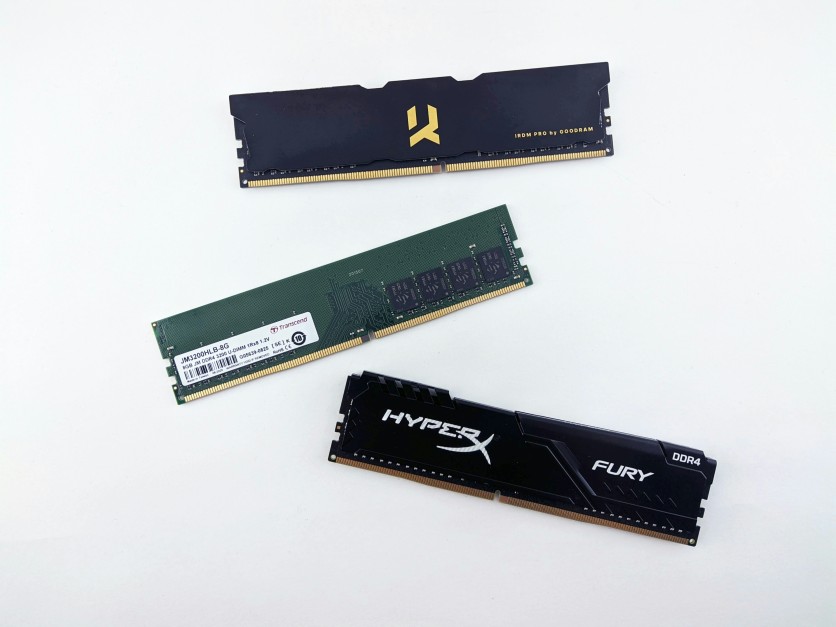
The 32GB RAM standard is no longer reserved for high-end enthusiasts. As PC hardware trends 2026 push systems toward heavier multitasking, memory demands have grown rapidly across gaming, work, and everyday computing. Recent usage data shows a growing shift away from 16GB configurations, especially among gamers, creators, and remote workers who regularly run multiple applications at once. Modern operating systems, background services, and always-connected software stacks consume more memory before users even launch demanding programs.
At the same time, RAM requirements for games, productivity software, and AI-powered features continue to rise. Windows 11 alone uses several gigabytes at idle, while browsers, communication apps, and game launchers add constant memory pressure. With DDR5 pricing steadily dropping and performance gains becoming more noticeable, 32GB is increasingly viewed not as overkill, but as a practical baseline for smooth performance through the rest of the decade.
Gaming Demands and the 32GB RAM Standard
Gaming is one of the clearest indicators that the 32GB RAM standard is becoming mainstream. Under PC hardware trends 2026, modern AAA games are shipping increasingly complex assets, larger open worlds, and higher-resolution textures that strain memory capacity. Titles like Starfield, Cyberpunk 2077, and upcoming Unreal Engine 5 releases routinely exceed 16GB usage when paired with background apps such as Discord, launchers, and overlays. Systems with limited RAM experience stutters, long asset streaming delays, and poor minimum frame rates.
Higher memory capacity directly improves gameplay stability. With 32GB RAM, systems show fewer 1% low FPS drops, smoother open-world traversal, and better performance consistency during intense scenes. Ray tracing and ultra-quality texture packs can consume over 12GB alone at 1440p, leaving little headroom on 16GB machines. For players who stream gameplay or record clips, the added memory prevents encoding slowdowns that otherwise cause frame drops during competitive moments.
Productivity Workloads and Rising RAM Requirements
Outside gaming, RAM requirements for productivity have grown even faster. Creative applications such as Adobe Premiere Pro, After Effects, Blender, and DaVinci Resolve routinely exceed 24GB during high-resolution projects. Under PC hardware trends 2026, 4K and 8K workflows are becoming common even for non-professionals, and memory swapping to SSDs severely impacts performance. Systems with 32GB avoid timeline stutters, preview lag, and export crashes that plague lower-capacity builds.
Developers and office power users also benefit significantly from the 32GB RAM standard. Running virtual machines, Docker containers, databases, and IDEs simultaneously can overwhelm 16GB systems almost instantly. Spreadsheet users working with large datasets, financial models, or data visualization tools see faster recalculations and smoother navigation when memory caching is unrestricted. In hybrid work environments, where video calls, browsers, and work software remain open all day, 32GB ensures responsiveness stays consistent.
Future-Proofing and PC Hardware Trends 2026
Future-proofing is a major reason the 32GB RAM standard is gaining traction. Under PC hardware trends 2026, AI-assisted features are becoming deeply integrated into operating systems, creative tools, and games. AI upscaling, frame generation, background noise suppression, and real-time translation all consume additional system memory alongside GPU resources. These workloads push practical RAM usage beyond what 16GB can reliably support.
While newer memory technologies such as DDR6 are expected later in the decade, current projections suggest 32GB will remain sufficient for the vast majority of users through 2030. Console hardware also influences PC expectations. As future consoles target higher unified memory capacities, PC ports increasingly assume larger RAM pools for parity. Investing in 32GB today offers stability across multiple hardware cycles without paying the premium required for 64GB setups that most users will never fully utilize.
Cost, Accessibility, and Upgrade Considerations
One of the strongest arguments for the 32GB RAM standard is affordability. DDR5 prices have dropped significantly, making 2×16GB kits accessible for mainstream builds. Compared to past generations, upgrading memory is now one of the most cost-effective ways to improve overall system performance under PC hardware trends 2026. This shift removes a major barrier that once kept higher RAM capacities limited to professionals.
For users upgrading from 16GB, the transition is usually straightforward. Matching existing memory modules allows dual-channel operation and immediate performance gains in multitasking and gaming. Builders planning new systems often find that skipping directly to 32GB avoids future compatibility headaches and upgrade costs. As RAM requirements continue to rise, this approach offers better long-term value than repeatedly pushing aging configurations beyond their limits.
Conclusion
The 32GB RAM standard is rapidly solidifying as the practical baseline for modern PCs. As PC hardware trends 2026 emphasize multitasking, AI features, and high-resolution workloads, memory demands are simply outgrowing what 16GB can comfortably handle. Gaming performance improves through better frame consistency, productivity workflows become smoother, and system responsiveness remains stable even under sustained loads. These advantages make 32GB a sensible choice rather than an excessive one.
Looking ahead, RAM requirements are unlikely to shrink. Software complexity, richer game worlds, and smarter operating systems all depend on abundant memory headroom. For most users, 32GB strikes the ideal balance between cost, performance, and longevity. It delivers meaningful gains today while ensuring systems remain capable and frustration-free for years, making it the most practical memory configuration moving toward the end of the decade.
Frequently Asked Questions
1. Is the 32GB RAM standard necessary for gaming in 2026?
For modern gaming, 32GB is increasingly recommended rather than mandatory. Many new titles combined with background apps can exceed 16GB usage. At 1440p with ray tracing or while streaming, systems regularly hit 24GB peaks. Extra headroom ensures smoother performance and fewer stutters.
2. What do PC hardware trends 2026 suggest about RAM speed and capacity?
Capacity is becoming more important than extreme speeds for most users. DDR5-6000 is widely considered the sweet spot for stability and performance. Faster kits offer small gains, but insufficient capacity creates larger bottlenecks. This makes 32GB the priority upgrade.
3. What are typical RAM requirements for Windows 11 systems?
Windows 11 uses around 6GB of RAM at idle with background services running. Everyday applications such as browsers, communication tools, and launchers can easily consume another 15–20GB. This leaves little margin on 16GB systems. A 32GB configuration provides comfortable headroom.
4. What is the best upgrade path from 16GB to 32GB RAM?
The simplest option is adding a matching memory kit to maintain dual-channel performance. Ensuring identical speed and timings helps avoid stability issues. For older systems, replacing existing RAM with a 2×16GB kit is often more reliable. This approach delivers immediate multitasking and gaming benefits.
ⓒ 2026 TECHTIMES.com All rights reserved. Do not reproduce without permission.


