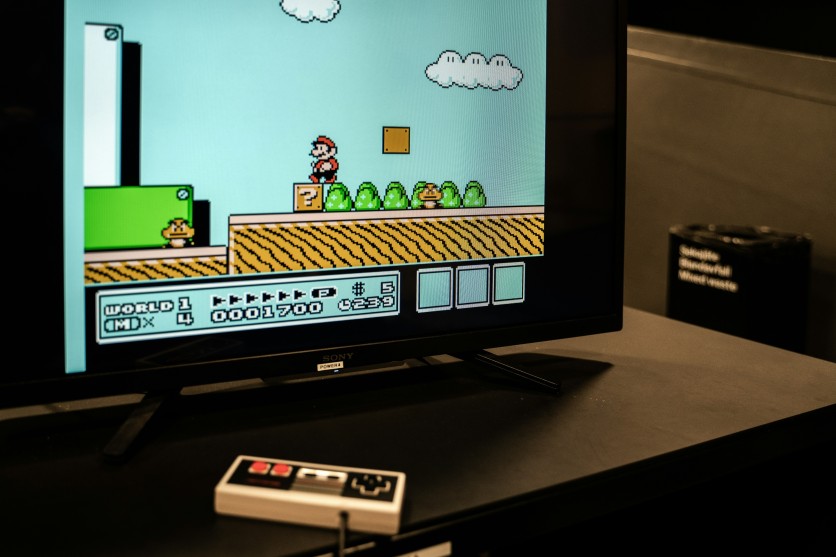
Game nostalgia remains a powerful motivator for players returning to titles over a decade old. Counter-Strike 1.6 still maintains 50,000 daily users, fueled by emotional attachment and shared memories, proving that long-lasting games can thrive beyond graphical limitations. Nostalgia gaming strengthens dopamine loops from mastery, making revisiting familiar mechanics three times more replayable than new releases lacking this emotional connection.
Long-lasting games integrate nostalgia with mechanical excellence, as seen in World of Warcraft's sustained 5 million subscribers whose loyalty transcends aesthetics. Social interactions, skill mastery, and immersive worlds compound emotional reinforcement, making nostalgia gaming a robust factor but not the sole reason for enduring relevance. Communities, modding ecosystems, and accessibility are equally crucial in ensuring games remain playable and culturally significant decades after launch.
Psychological Mechanisms
Game nostalgia engages the brain's reward centers, releasing oxytocin in the nucleus accumbens and strengthening emotional bonds to past experiences. Long-lasting games exploit the endowment effect, inflating perceived value by 200% due to time invested, discouraging players from switching to modern alternatives. Nostalgia gaming also enhances autobiographical memory consolidation, with studies showing speedrunning classics like Super Mario 64 triggers hippocampal activity linked to childhood recall.
Mechanically, familiar gameplay reinforces skill acquisition, making previously mastered levels satisfying to revisit. Neural reinforcement through repeated engagement ensures long-term retention, highlighting why nostalgia gaming can drive continued interaction even when newer games offer superior graphics. The psychological pull of nostalgia interacts with reward circuitry to maintain consistent play patterns over years.
Key Takeaways:
- Nostalgia activates reward centers, increasing engagement and emotional attachment.
- Endowment effect makes long-term players value older games more than newer alternatives.
- Autobiographical memory consolidation strengthens recall of childhood gaming experiences.
- Familiar mechanics reinforce skills and maintain neural reinforcement for repeated play.
- Consistent dopamine loops support long-term replayability, even for graphically outdated titles.
Community Reinforcement
Communities amplify the longevity of long-lasting games by creating shared social experiences. Twitch streams of retro titles and RetroArch emulation attract millions monthly, preserving classic gameplay and fostering collective engagement. Reddit forums like r/patientgamers validate delayed playthroughs and provide social proof that nostalgia gaming is still culturally relevant.
LAN parties, esports revivals, and online tournaments sustain rituals, monetizing nostalgia through skill and memory. Community reinforcement ensures that nostalgia gaming remains dynamic, allowing older titles to persist through cultural validation and active participation rather than relying on solitary enjoyment alone. Social interactivity reinforces psychological engagement and extends the lifecycle of these games.
Beyond Nostalgia Factors
While nostalgia draws players back, mechanical purity ensures timeless appeal. Puzzle games like Tetris continue to achieve massive downloads due to universally satisfying mechanics independent of nostalgic value. Long-lasting games benefit from modding ecosystems; Skyrim's 60,000 Creation Club assets allow 13-year-old content to remain fresh, extending engagement beyond memory alone.
Cross-generational accessibility also contributes, as Fortnite's retro-inspired modes merge past gaming conventions with modern design, creating relevance for new audiences. Longevity stems from design quality, gameplay depth, and emergent experiences, proving nostalgia is a factor but not the exclusive driver.
Key Takeaways:
- Timeless mechanics ensure gameplay remains satisfying beyond nostalgic appeal.
- Modding ecosystems refresh older titles, keeping content relevant for long periods.
- Cross-generational accessibility bridges new and old audiences effectively.
- Design quality and emergent gameplay sustain engagement independently of memory.
- Nostalgia complements but does not solely drive long-term game longevity.
Economic Sustainability
Backward compatibility and digital distribution continue to ensure accessibility for long-lasting games. Platforms like Xbox Game Pass allow players to stream decade-old titles such as Halo (2010) in 4K, sustaining over 10 million monthly hours of engagement without requiring costly remakes. This approach preserves the original experience while introducing classics to new generations seamlessly.
Nostalgia gaming also drives profitable remasters. Games like Crash Bandicoot N. Sane Trilogy and Spyro Reignited Trilogy leverage player muscle memory and emotional attachment, updating graphics and audio for modern systems. These releases not only generate significant sales but also reignite interest in older franchises, expanding their audience and extending their lifecycle.
Subscription models and microtransactions further strengthen economic viability. Services like EA Play and PlayStation Plus grant access to extensive game libraries, while cosmetic updates and DLC provide developers ongoing revenue streams. By combining financial incentives with community engagement and psychological reinforcement, long-lasting games remain relevant, playable, and profitable for years to come.
Conclusion
Game nostalgia drives players to revisit classics, but the true longevity of long-lasting games depends on mechanical depth, community ecosystems, and accessibility. Titles like Counter-Strike 1.6, Skyrim, and World of Warcraft illustrate that nostalgia alone cannot sustain engagement; design quality ensures perpetual relevance.
Psychological reinforcement loops, combined with modding, social validation, and platform support, allow games to maintain cultural significance for decades. Nostalgia gaming acts as a catalyst, but enduring gameplay experiences transform emotional attachment into long-term participation, solidifying these games as benchmarks of interactive media longevity.
Frequently Asked Questions
1. Can Game nostalgia impact the brain?
Activates reward centers 25% stronger than new games, reinforcing memory and emotional attachment. Players feel more satisfaction revisiting familiar mechanics. Nostalgia triggers dopamine loops enhancing replayability. This explains why long-lasting games retain consistent audiences.
2. Long-lasting games common trait?
They combine mechanical purity with modding support. Gameplay systems remain engaging decades after release. Community reinforcement ensures continuous play. Social validation strengthens adherence.
3. Nostalgia gaming top examples?
Counter-Strike 1.6, World of Warcraft, and Skyrim each maintain 50,000+ daily active players. Classic mechanics and social ecosystems sustain engagement. Modding communities extend gameplay. Shared memories boost retention.
4. Remaster profitability?
Titles leveraging nostalgia often see 200% perceived value increase due to the endowment effect. Visual upgrades attract new audiences. Muscle memory ensures replay for veterans. Sales recover development costs efficiently.
ⓒ 2026 TECHTIMES.com All rights reserved. Do not reproduce without permission.


