In the world of gaming, turn-based strategy games and tactical games stand out for their emphasis on careful planning and long-term thinking. Rather than relying on quick reflexes, these titles demand foresight, patience, and the ability to adapt.
Players who enjoy analyzing every move, anticipating enemy strategies, and weighing options before committing to an action often find this genre deeply satisfying. From grid-based combat to empire-building simulations, turn-based titles reward the strategist's mindset where every decision counts.
What Are Turn-Based Strategy Games?
Turn-based strategy games are designed around a paced system where players act in turns rather than reacting in real time. Each participant makes decisions, whether moving units, managing resources, or attacking enemies, before action shifts to the next player or faction.
This deliberate rhythm gives players time to evaluate the situation and plan ahead, contrasting with the rapid tempo of real-time strategy titles.
There are different types of turn-based strategy games ranging from 4X empire builders like "Civilization VI" to tactical role-playing games (TRPGs) such as "Fire Emblem: Three Houses."
What unites them is the emphasis on depth and decision-making. A single overlooked move can have cascading effects several turns later, making thoughtful planning the true key to success.
Why Do Tactical Games Reward Smart Planning?
Tactical games often center around micro-level decision-making, positioning troops, managing limited actions per turn, and anticipating enemy tactics. Unlike broader strategy titles that emphasize grand-scale empire building, tactical systems focus on small, turn-by-turn encounters where precision matters.
Every choice in such games carries weight. Deciding to advance a unit or hold position can dictate victory or defeat. These mechanics reward players who study terrain advantages, balance risk and reward, and plan multiple steps ahead.
Games like "XCOM 2" demonstrate this brilliantly; failing to anticipate an enemy's counterattack can cost the player valuable soldiers and reshape the entire campaign.
Because players can analyze each move carefully, tactical gameplay promotes a cerebral style of play, an experience that appeals to those who appreciate logic, patience, and creativity.
Best Turn-Based Games That Emphasize Strategy
The most acclaimed turn-based strategy games share one defining feature: the consistent reward of smart, methodical play. The six titles below exemplify the genre's diversity and strategic depth.
1. 'XCOM 2'
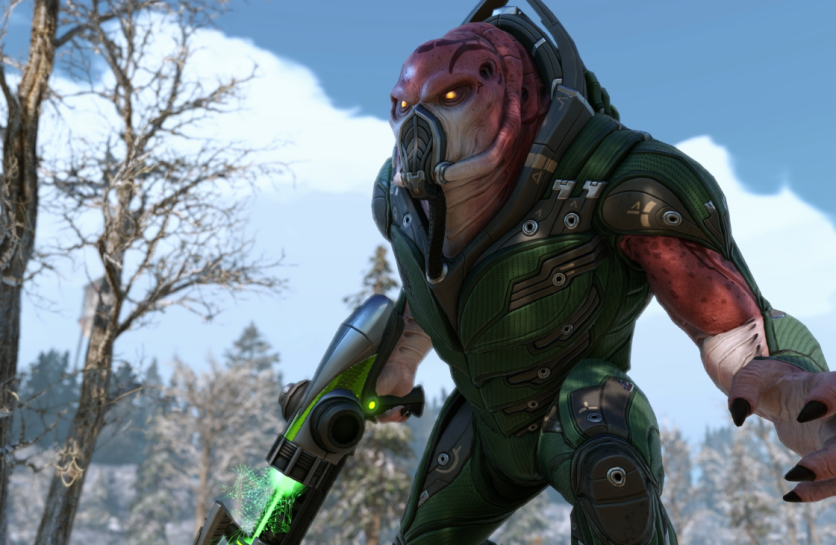
A centerpiece of modern tactical design, "XCOM 2" challenges players to lead a resistance movement against alien forces. Its turn-based missions combine cover-based combat, limited visibility, and the risk of permanent losses.
Every turn demands balancing immediate survival with long-term progress. Smart players prioritize positioning, flanking, and coordinated attacks. A single poorly timed move can doom an entire mission, teaching players that foresight always outweighs aggression.
2. 'Divinity: Original Sin 2'
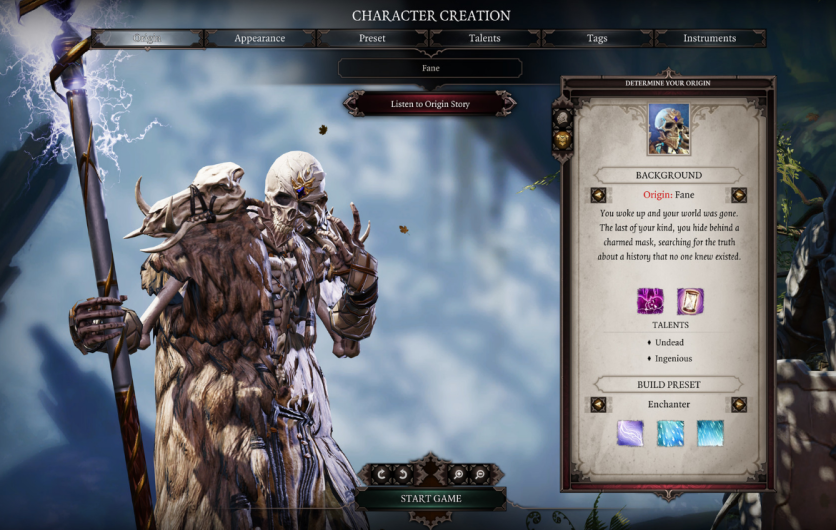
This tactical RPG blends deep narrative choice with flexible combat. Players can manipulate elements, setting surfaces on fire, electrifying water, or freezing enemies, to create devastating chain reactions.
Strategic mastery in "Divinity: Original Sin 2" comes from understanding environmental interactions and turn order. Its open-ended system rewards creativity; rather than brute force, players succeed by planning clever combinations of abilities and terrain effects.
3. 'Fire Emblem: Three Houses'
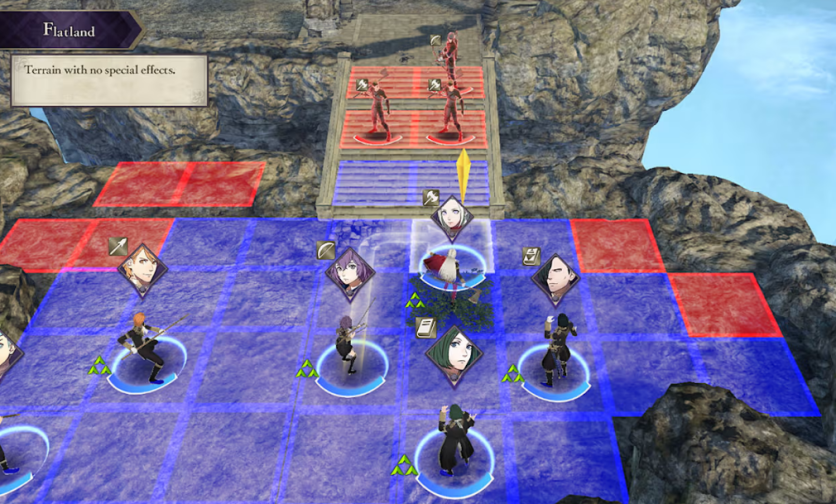
Nintendo's beloved tactical series reached new heights with "Fire Emblem: Three Houses," combining military strategy with social simulation. Each character's growth, relationships, and equipment choices influence success in battle.
The game's grid-based combat places importance on unit synergy, positioning, and future planning across multiple in-game months. Balancing classroom management with battlefield tactics nurtures a sense of long-term investment, making every command feel consequential.
4. 'Into the Breach'
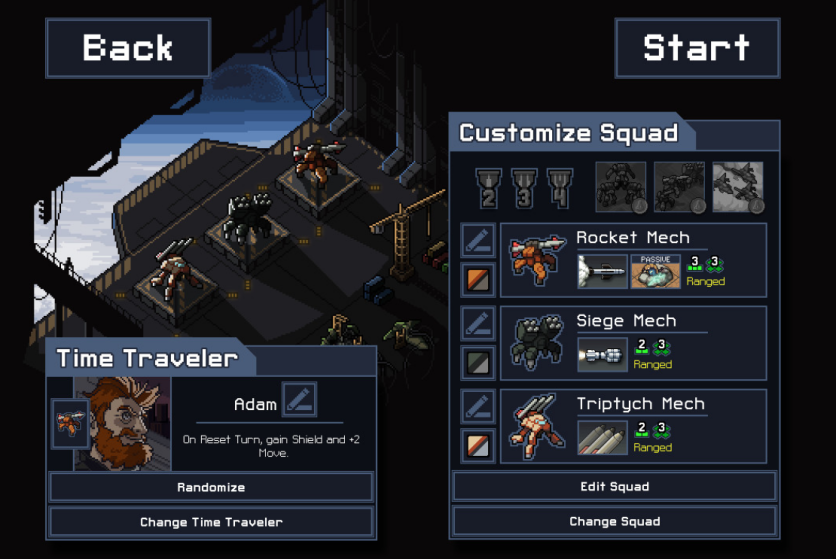
"Into the Breach" takes the concept of minimalism and turns it into pure strategic brilliance. Players control mechs fighting alien creatures on a small grid, where every move can prevent, or cause, disaster.
The game displays enemy intentions in advance, challenging players to predict outcomes and plan perfect counters. There's no randomness to hide behind; only logic, calculation, and foresight. It's one of the most elegant tactical games for testing pure strategic skill.
Read more: 'Highguard' PvP Guide: Essential Game Tips, Meta Loadouts & Best Characters for Ranked Wins
5. 'Civilization VI'
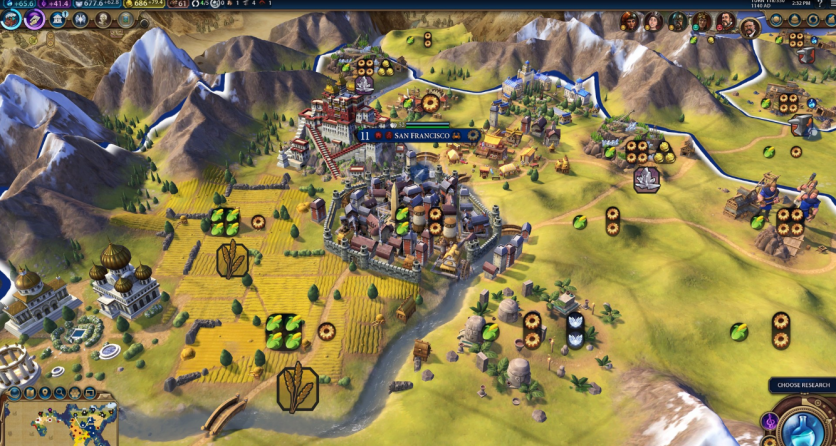
For players who prefer empire-scale decision-making, "Civilization VI" remains a defining representation of long-term planning. Managing science, diplomacy, warfare, and culture across millennia requires mastery of interconnected systems.
Strategic players anticipate opponents' victories, manage resources efficiently, and adapt policies as the ages progress. In "Civilization VI," one poor diplomatic choice in the Renaissance can affect your empire's prosperity hundreds of turns later, making every move a test of foresight.
6. 'Triangle Strategy'
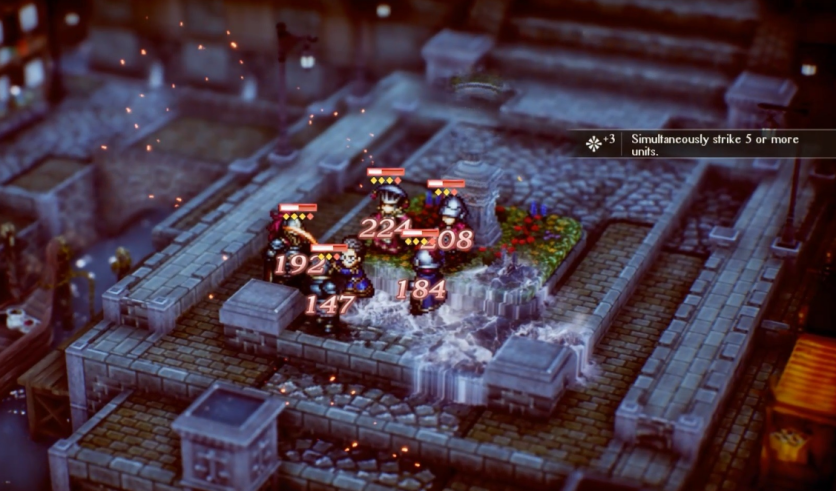
A modern homage to classic tactical RPGs, "Triangle Strategy" combines political storytelling with challenging turn-based combat. Terrain elevation, unit placement, and moral decisions intertwine to affect both story outcomes and battle efficiency.
Smart planning means not only reading the battlefield but also understanding how alliances and choices shift the course of the war. The game captures the essence of tactical games that value preparation and moral reflection as much as power.
What Makes a Good Turn-Based Strategy Game?
The best turn-based strategy games succeed by blending depth with clarity. A well-balanced system gives players meaningful choices without overwhelming them.
Strong AI is critical, it should pressure the player into thinking creatively rather than relying on predictable patterns. Replay value also matters; varied maps, flexible systems, and multiple pathways ensure that each playthrough feels fresh.
Good design communicates clearly while leaving room for mastery. Players quickly learn the rules but spend countless hours discovering new tactics. Games like "Advance Wars" and "Total War: Three Kingdoms" thrive on this principle, giving both newcomers and veterans satisfying layers of depth to explore.
Are Turn-Based Games Better for Beginners?
For newcomers to the genre, turn-based strategy games often present a friendlier learning curve compared to fast-paced real-time titles. The slower rhythm gives players time to process information, test ideas, and understand mechanics without time pressure.
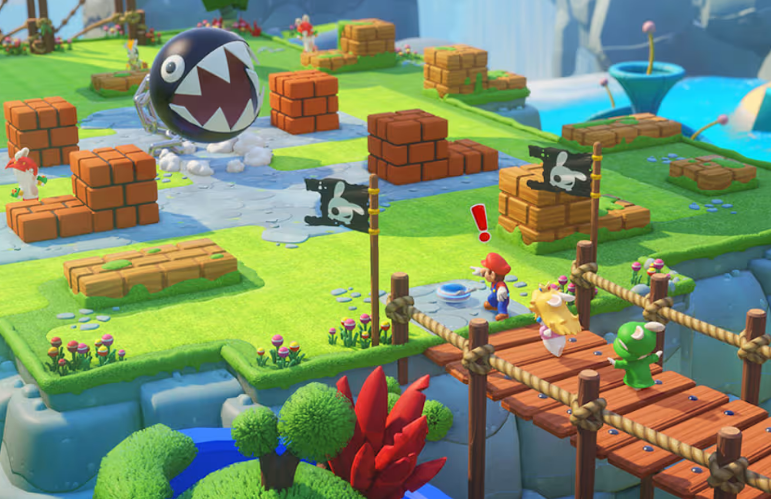
Many tactical games also include robust tutorials, difficulty sliders, and detailed in-game guides. "Advance Wars 1+2: Re‑Boot Camp" and "Mario + Rabbids: Sparks of Hope" are excellent starter points because they simplify complex systems while maintaining tactical integrity.
Taking turns rather than reacting instantly allows beginners to learn from mistakes with minimal frustration. Over time, this pacing cultivates analytical habits, observing, adjusting, and improving, which benefit players as they move toward more complex strategy titles.
Strategic Thinking That Defines Turn-Based Games
Across generations, turn-based strategy games and tactical games have retained their appeal because they challenge the player's mind as much as their reflexes. Each turn is an invitation to strategize, learn, and adapt. The satisfaction comes not from speed but from solving intricate puzzles under pressure.
Whether commanding alien resistance fighters in "XCOM 2" or orchestrating armies in "Fire Emblem: Three Houses," players discover that victory belongs to those who think several steps ahead.
It's this rewarding cycle of planning, execution, and reflection that keeps the genre timeless, making turn-based strategy one of the most enduring and intellectually engaging forms of gaming entertainment.
Frequently Asked Questions
1. What's the main difference between a tactical game and a strategy game?
Tactical games focus on short-term, small-scale decisions like unit placement in individual battles, while strategy games emphasize broader, long-term objectives such as resource management or empire building.
2. Do turn-based games require high-end PCs or consoles?
Not usually. Most turn-based strategy games run smoothly on mid-range systems, and many are even available on mobile devices because they rely more on logic than graphics performance.
3. Can turn-based games be played cooperatively or online?
Yes, several titles like "Civilization VI" and "Divinity: Original Sin 2" feature multiplayer modes where players take turns asynchronously or compete in strategic matches.
4. Why do some players prefer turn-based systems over real-time gameplay?
Many enjoy the slower, more deliberate pace that allows them to think carefully about each move, analyze outcomes, and refine strategies without time pressure.
ⓒ 2026 TECHTIMES.com All rights reserved. Do not reproduce without permission.


