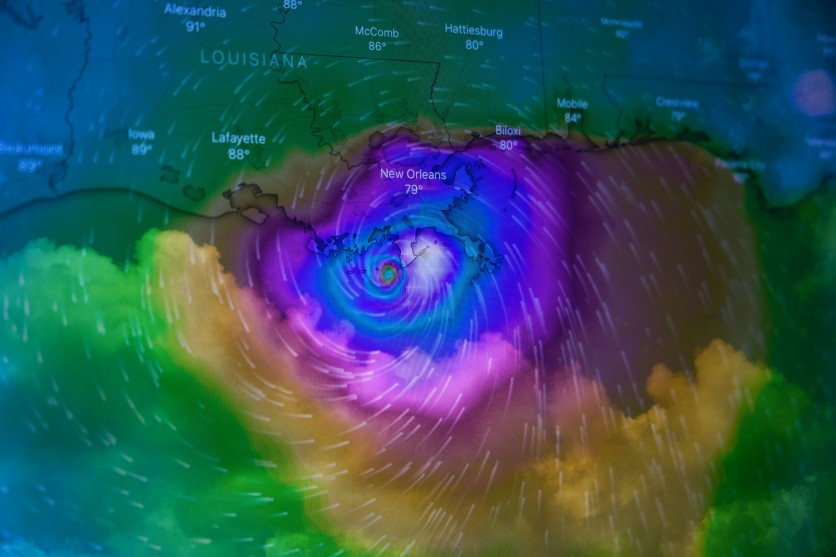
Artificial intelligence is becoming a larger part of natural disaster prediction as researchers search for better ways to improve future disaster forecasting and strengthen natural disaster prevention.
Modern AI systems can process large amounts of weather records, satellite imagery, seismic data, and environmental reports far faster than traditional manual analysis. Because of this, AI research is attracting attention from scientists who want to improve the speed and accuracy of disaster monitoring around the world.
At the same time, artificial intelligence does not remove uncertainty from earthquakes, floods, hurricanes, or wildfires. Many natural events remain difficult to predict with complete precision because environmental systems are constantly changing.
AI natural disaster prediction is therefore viewed more as a tool for improving risk estimates and early warning systems rather than guaranteeing exact forecasts. This balance between technological progress and scientific limits is shaping the future of disaster science.
How AI Supports Natural Disaster Forecasting
AI plays a growing role in natural disaster prediction by helping scientists analyze large amounts of weather, satellite, and environmental data faster than traditional methods. Artificial intelligence can identify patterns linked to hurricanes, floods, droughts, and wildfires more efficiently.
Machine learning improves future disaster forecasting by detecting connections that older systems may miss. AI models can compare past disasters with current conditions to recognize warning signs earlier and support stronger early warning systems during fast-changing emergencies.
Artificial intelligence also helps governments and emergency agencies prepare for disasters through real-time monitoring and risk analysis. While AI cannot guarantee exact predictions, it can improve response planning, evacuation strategies, and overall disaster risk reduction efforts.
Why AI Could Improve Prediction Accuracy
Natural disaster prediction can improve accuracy because artificial intelligence can process massive amounts of data from satellites, weather systems, climate records, and sensors at the same time. This broader analysis helps scientists identify patterns and connections that traditional forecasting models may overlook.
Speed is another major advantage in future disaster forecasting since AI systems can update predictions in real time during floods, hurricanes, and wildfires. Faster analysis allows emergency agencies to issue warnings earlier and improve natural disaster prevention through quicker response planning.
Artificial intelligence may also become more reliable as technology and data collection continue to improve. Better satellites, stronger computing systems, and more advanced sensors can help AI models learn from larger datasets and support more accurate disaster risk reduction efforts in the future.
What Limits AI in Natural Disaster Prediction
Artificial intelligence has improved natural disaster prediction, but many disasters remain difficult to forecast with complete accuracy. AI research continues to advance, though scientists still face several limitations involving data quality, climate uncertainty, and the need for human expertise.
- Earthquake forecasting remains difficult: AI systems can estimate earthquake risk levels, but predicting the exact timing and location of seismic events is still highly challenging due to unpredictable geological activity.
- AI depends on data quality: Natural disaster prediction models rely on historical records and sensor data, meaning incomplete or inaccurate datasets can reduce forecasting reliability and create misleading results.
- Climate change creates new challenges: Changing weather patterns and stronger storms may behave differently from past disasters, making older AI forecasting models less effective without continuous updates.
- Human expertise is still necessary: Scientists must interpret AI-generated forecasts, compare them with physical models, and explain uncertainty clearly during emergencies and disaster planning.
- False alarms may reduce public trust: Incorrect predictions or repeated warnings can weaken confidence in early warning systems if AI forecasts are not carefully reviewed by experts.
- Technology access remains uneven: Advanced AI natural disaster prediction systems require powerful infrastructure, reliable internet, and environmental monitoring networks that are not available in all regions.
AI Could Strengthen Future Disaster Forecasting Alongside Human Expertise
Artificial intelligence has strong potential to improve natural disaster prediction by analyzing massive datasets, detecting hidden patterns, and supporting faster early warning systems.
AI research is already helping scientists monitor storms, floods, wildfires, and other environmental threats more efficiently than before. As technology and data collection continue to improve, future disaster forecasting systems may become even more responsive and detailed.
At the same time, AI will not completely remove uncertainty from disaster science. Many natural events remain highly complex, and accurate forecasting still depends on scientific expertise, quality data, and careful interpretation.
The future of AI natural disaster prediction will likely involve cooperation between artificial intelligence and human specialists rather than replacement. This combined approach may offer the best path toward stronger disaster risk reduction and better natural disaster prevention in the years ahead.
Frequently Asked Questions
1. How does AI help with natural disaster prediction?
AI helps natural disaster prediction by analyzing large amounts of environmental data much faster than manual methods. Machine learning systems can identify patterns linked to storms, floods, earthquakes, and wildfires. Artificial intelligence also supports early warning systems through real-time monitoring and faster updates. These tools help scientists improve forecasting speed and disaster preparedness.
2. Can AI predict earthquakes accurately?
AI can assist with earthquake risk analysis, but exact earthquake prediction remains extremely difficult. Most AI systems focus on estimating probabilities and identifying areas with higher seismic risk. Earthquakes involve complex geological processes that are still not fully understood by scientists. Because of this, AI currently works better for risk assessment than exact timing predictions.
3. Why is data important in AI natural disaster prediction?
AI models depend heavily on the quality of the information used for training. Better satellite imagery, weather records, and sensor data help improve forecasting accuracy over time. Incomplete or outdated datasets can reduce the reliability of AI predictions. Strong data infrastructure is therefore essential for future disaster forecasting systems.
4. Will AI replace scientists in disaster forecasting?
AI is unlikely to replace scientists in disaster forecasting because human expertise remains necessary. Researchers still need to interpret AI outputs, verify forecasts, and explain risks to the public. Artificial intelligence works best as a support tool that improves speed and pattern recognition. The most effective systems combine AI technology with human scientific judgment.
ⓒ 2026 TECHTIMES.com All rights reserved. Do not reproduce without permission.


