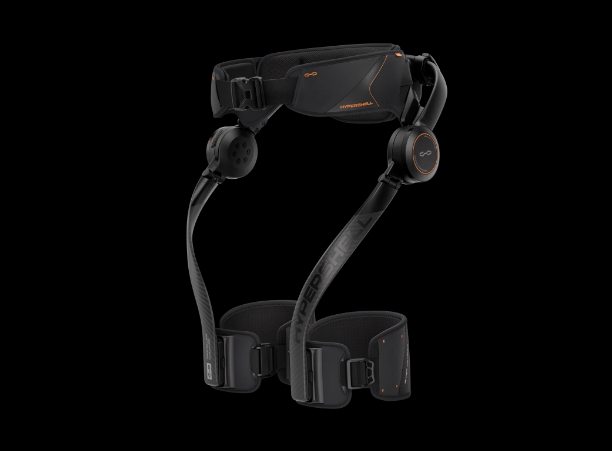
Exoskeletons are rapidly moving beyond industrial and medical settings into consumer life. In 2026, wearable robotics like the Hypershell X Ultra are positioning the outdoor exoskeleton as a tool for everyday mobility assist.
Designed to reduce fatigue and support movement, these devices promise practical benefits, but they also come with clear limitations that shape how useful they are at home.
What Is the Hypershell X Ultra?
The Hypershell X Ultra is a lightweight, motorized outdoor exoskeleton built to assist leg movement during walking and physical activity. Developed by Hypershell, it uses sensors and small motors to detect motion and provide mechanical support in real time.
Unlike clinical systems, this model focuses on portability and ease of use. It targets active users, including hikers, outdoor workers, and individuals looking for everyday mobility assist without needing medical-grade equipment. Its compact design reflects the broader shift in exoskeletons toward consumer-friendly wearable robotics.
How Do Exoskeletons Work for Everyday Users?
Exoskeletons enhance movement using sensors, actuators, and software. Devices like the Hypershell X Ultra track walking patterns and apply assistive force at key points, usually the hips or legs, to reduce effort.
Consumer wearable robotics differ from medical exoskeletons by enhancing, rather than restoring, mobility. They are best suited for users with mild fatigue or physically demanding routines. Instead of replacing effort, they make repetitive motion like walking or climbing more efficient.
Key Benefits of the Hypershell X Ultra
The Hypershell X Ultra highlights how exoskeletons can support everyday mobility assist without being intrusive.
- Reduces fatigue during long walks or hikes
- Improves stability on uneven terrain
- Lightweight and more wearable than traditional exoskeletons
- Supports users with mild mobility challenges
This positions the device between fitness equipment and assistive technology, offering support while preserving natural movement.
Can the Hypershell X Ultra Be Used at Home?
Although designed as an outdoor exoskeleton, the device can be used indoors in certain situations. Open spaces allow for smoother movement, making it possible to use during light daily activities.
However, tight layouts and obstacles can limit performance. Exoskeletons rely on natural walking patterns, so confined spaces reduce their effectiveness. Battery life, typically lasting several hours, may also require planning for extended indoor use. Comfort depends on proper fit, especially during prolonged wear.
What the Hypershell X Ultra Can Do
The Hypershell X Ultra demonstrates the practical side of wearable robotics.
It assists with walking by reducing strain on muscles and joints, particularly during long-distance or repetitive movement. It also improves endurance and provides support on uneven terrain, making it useful for hiking or physically demanding tasks.
For users carrying loads, the device helps distribute effort more evenly, reducing fatigue. In this way, it enhances physical capability without replacing natural motion.
What the Hypershell X Ultra Can't Do
Despite its advantages, the Hypershell X Ultra has clear limits.
It is not a medical device and cannot support users with severe mobility impairments. It does not replace wheelchairs, rehabilitation tools, or physical therapy. The device also cannot eliminate fatigue entirely, it only reduces effort.
Indoor usability is limited in tight spaces, and cost remains a barrier for many users. These factors highlight that exoskeletons are still evolving rather than fully mainstream.
Are Consumer Exoskeletons Worth It in 2026?
The value of exoskeletons depends on user needs. For active individuals or those requiring everyday mobility assist, the benefits can justify the investment. Outdoor enthusiasts and workers may see the most value.
For others, especially those with minimal physical strain, the cost may outweigh the benefits. Wearable robotics are still in an early adoption phase, offering clear advantages but not yet essential for everyone.
How Much Does the Hypershell X Ultra Cost?
The Hypershell X Ultra falls into the premium category of consumer wearable robotics. Prices are comparable to high-end fitness or mobility equipment, with additional costs for maintenance and accessories.
Availability is expanding globally, including in urban markets where demand for outdoor exoskeleton technology is growing. As the market matures, pricing is expected to become more accessible.
The Future of Exoskeletons for Everyday Mobility Assist
Advancements in sensors, batteries, and AI are shaping the future of exoskeletons. Devices like the Hypershell X Ultra are expected to become lighter, more efficient, and better integrated with health and fitness systems.
Wearable robotics may soon provide real-time feedback on movement and energy use, expanding their role beyond assistance. Over time, the gap between outdoor exoskeletons and everyday mobility assist devices is likely to narrow.
Exoskeletons in Daily Life: What Users Can Realistically Expect
Exoskeletons like the Hypershell X Ultra show how wearable robotics can support movement, improve endurance, and enhance outdoor activity. At the same time, they remain specialized tools rather than all-purpose solutions.
For everyday users, the appeal lies in targeted support. The Hypershell X Ultra demonstrates how an outdoor exoskeleton can improve everyday mobility assist without replacing natural movement, marking a practical step forward as exoskeletons continue to evolve.
Frequently Asked Questions
1. Are exoskeletons safe for daily use?
Most consumer exoskeletons are designed with safety sensors and limits, but proper fit and responsible use are essential to avoid strain or imbalance.
2. Do exoskeletons require training before use?
Basic familiarization is usually needed, but most consumer wearable robotics are designed to be intuitive and usable without formal training.
3. Can exoskeletons help with weight loss or fitness?
They may support longer activity sessions, but they do not replace exercise since they reduce effort rather than increase it.
4. How long do exoskeletons typically last before needing replacement?
Lifespan depends on usage and maintenance, but most devices are built to last several years with regular care and occasional part servicing.
ⓒ 2026 TECHTIMES.com All rights reserved. Do not reproduce without permission.


