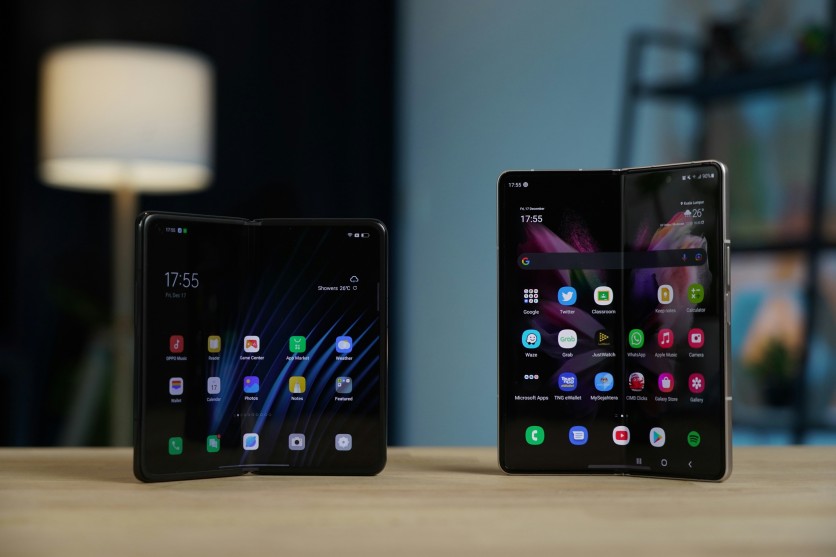
A foldable phone can be a compelling long-term choice, but its value depends heavily on phone durability, repair cost, and everyday phone reliability.
As foldable designs continue to improve, buyers still need to understand how hinge wear, inner display sensitivity, and overall foldable phone lifespan affect real-world ownership. This guide explores foldable phone longevity in a practical way, helping readers judge whether the format is a smart investment or a risky trade-off.
Modern foldables are no longer fragile experiments, but they still behave differently from traditional smartphones. Improvements in water resistance, hinge engineering, and screen materials have made them far more dependable than early models. Even so, the added mechanical complexity means long-term ownership is shaped not only by performance, but also by care, usage habits, and expectations over time.
How Durable Foldable Phones Really Are
Foldable phones have improved significantly over the years, with stronger hinges, better materials, and improved resistance to everyday wear and tear. However, their durability still works differently compared to traditional smartphones, especially because of the flexible inner display and moving parts.
Modern foldables are significantly more durable than early models
Today's foldable phones feature stronger hinge systems, improved flexible displays, and reinforced materials. These upgrades make them far more reliable for everyday use compared to early-generation devices.
Water resistance is now common in many models
Many newer foldable phones include official IP ratings. This helps protect against splashes and light moisture, improving overall phone reliability in daily environments.
Dust resistance is improved but still limited around hinges
While external protection has improved, hinge areas remain more exposed than standard slab phones. This makes dust a continued concern for long-term foldable phone longevity.
Inner displays remain structurally different from glass slabs
The flexible inner screen uses layered materials instead of rigid glass. This design enables folding but slightly reduces long-term phone durability compared to traditional screens.
The hinge is the main wear component
Every fold cycle contributes to gradual hinge wear. Manufacturers test these mechanisms for thousands of folds, but real-world use still determines foldable phone lifespan.
Creasing is expected, not a defect
Most foldables develop a visible crease at the center of the display. This is normal and usually becomes less noticeable with regular use.
Repair costs remain higher than standard phones
Even with better engineering, repairing a foldable phone is still more expensive. Inner display or hinge damage often leads to higher service costs.
The Problems Buyers Still Need To Expect
Foldable phones have become more refined, but they still come with trade-offs that affect long-term phone reliability. These compromises are important for buyers to understand before committing to the form factor.
- Higher cost and repair expenses: Foldable phones are generally more expensive to buy and fix compared to standard smartphones. This impacts long-term ownership since repairs like hinge or inner display replacement can be costly once wear and tear begins.
- Inner display vulnerability: The flexible inner screen is stronger than early models, but still more exposed than traditional glass panels. Scratches, pressure, and repeated folding can gradually affect foldable phone longevity, making careful use essential.
- Weight and thickness trade-offs: Modern foldables are slimmer than before, but still slightly bulkier than regular phones. This can affect comfort during long usage sessions or when carrying the device daily.
What Long-Term Ownership Looks Like In Practice
Long-term use of a foldable phone is best understood through lifestyle fit. Users who value multitasking, large-screen portability, and a compact folded form often find the format rewarding. In these cases, the added complexity is balanced by improved usability, making foldable phone reliability acceptable for daily routines.
Maintenance habits also play a major role in foldable phone lifespan. Using protective cases, keeping the hinge clean, and avoiding debris exposure can significantly reduce wear over time. Since most issues develop gradually rather than suddenly, small maintenance habits help preserve foldable phone longevity more effectively than reactive repairs.
For some users, a traditional smartphone still offers a simpler ownership experience. Slab phones are easier to repair, more familiar in design, and less sensitive to handling conditions. This makes them a safer choice for users who want maximum convenience without thinking about hinge care or inner display protection.
Foldables Are Better Than Before, But Still A Trade-Off
A foldable phone can absolutely be worth buying long term for users who value flexibility and large-screen usability in a compact design. Improvements in phone durability and phone reliability have made modern devices far more practical than early models, but foldable phone lifespan still depends on hinge wear, display care, and repair expectations.
While foldable phone longevity has improved significantly, the format still carries more responsibility than traditional smartphones. For most users, the decision comes down to whether the added functionality is worth the ongoing care and trade-offs.
Frequently Asked Questions
1. How long does a foldable phone usually last?
Most modern foldable phones are designed to last several years under normal use. The hinge and inner display are the main components that determine foldable phone lifespan. With proper care, many devices can remain reliable for daily use over time. However, heavy use may shorten longevity compared to slab phones.
2. Are foldable phones more fragile than regular phones?
Foldable phones are more complex, but they are not as fragile as early models. Improvements in phone durability and hinge engineering have made them much stronger. Still, the inner display is more sensitive than traditional glass screens. This makes handling habits more important for long-term phone reliability.
3. Is the crease in foldable phones permanent?
Yes, most foldable phones develop a crease along the folding area. This is a natural result of flexible display design and is not considered a defect. Over time, many users become less aware of it during daily use. It does not usually affect functionality or phone reliability.
4. Are foldable phones expensive to repair?
Yes, repair costs are generally higher than standard smartphones. The inner display and hinge are complex components that require specialized servicing. This increases the overall cost of ownership over time. It is an important factor when considering foldable phone longevity.
ⓒ 2026 TECHTIMES.com All rights reserved. Do not reproduce without permission.


