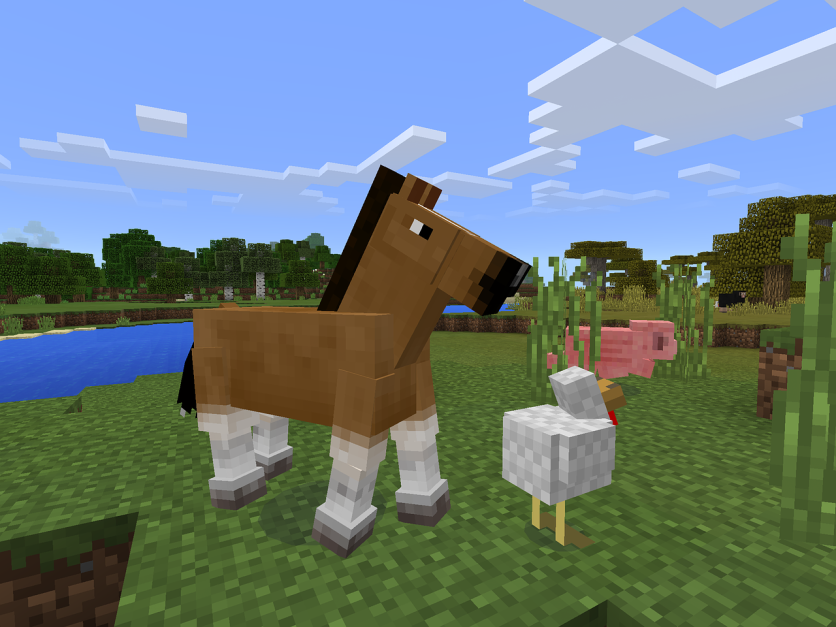
Food is one of the most essential resources in "Minecraft," yet it's often overlooked by new players focused on mining or building. In the world's blocky wilderness, maintaining a steady hunger bar determines how long a player can sprint, regenerate health, and survive dangerous mobs. This "Minecraft" food guide walks through beginner-friendly food sources that never fail, providing tips for easy farms, efficient survival strategies, and sustainable food production.
Why Food Matters in 'Minecraft' Survival
Hunger affects nearly every element of gameplay. When the hunger bar depletes, a player can't sprint or heal naturally, leaving them vulnerable in hostile environments. Consuming the right foods restores hunger points and, more importantly, saturation, a hidden stat determining how long a player stays full before the hunger meter drops again.
For every beginner stepping into survival mode, food should be a top priority. Simple farms and reliable hunting sources ensure a steady supply of food without relying on luck or temporary finds. This "Minecraft" food guide emphasizes strategies that are easy to start and effective over time.
What Is the Best Food Source for Beginners in 'Minecraft'
Finding the best food source depends on accessibility, sustainability, and efficiency. The easiest foods to obtain early in the game include bread, cooked meat, berries, and fish. Each type has strengths that make survival less stressful in the first few "Minecraft" days.
- Bread: Crafted from three pieces of wheat, bread is excellent for beginners since wheat seeds drop easily from grass. Bread restores 5 hunger points, and wheat farming is low-risk.
- Cooked Meat: Dropped from cows, pigs, and chickens, meat provides strong hunger and saturation benefits. Cooking over a furnace doubles its efficiency compared to raw meat.
- Berries: Found in Taiga biomes, sweet berries are quick snacks that grow naturally. While they provide less hunger, they're useful in emergencies.
- Fish: Using a basic fishing rod, players can catch fish from any water source. Cooked cod or salmon offers both convenience and decent nourishment.
Among these, cooked beef (steak) is often called the best early-game food for its saturation value. However, farming wheat and producing bread remains the simplest easy food farm method for total beginners.
How to Start an Easy Food Farm in 'Minecraft'
A consistent food supply transforms survival from reactive to strategic. Setting up an easy food farm ensures players always have meals ready, reducing time spent on hunting or scavenging.
Crop Farms
Wheat Farm:
- Use a hoe to till soil near a water source.
- Plant seeds collected from grass breaks.
- Ensure proper lighting to grow crops even at night.
- Harvest and replant continuously for an endless wheat cycle.
- Carrot and Potato Farm:
- Carrots and potatoes drop from village farms or zombies.
- Plant them on hydrated farmland just like wheat.
- Both crops can be eaten raw or cooked for better food returns.
Beetroot Farm:
- Beetroots yield low hunger points but are easy to cultivate.
- Use them as emergency food or ingredient for beetroot soup.
Animal Farms
Creating animal pens provides renewable meat and secondary resources.
- Cows: Yield beef and leather. Feeding them wheat will breed more cows.
- Chickens: Provide raw chicken and eggs for cooking or baking.
- Sheep and Pigs: Supply both meat and, in the case of sheep, wool for crafting.
Using small fenced areas or automatic breeding setups can transform basic pens into efficient food systems. Adding a composter to recycle seeds enhances the overall sustainability of a base.
Which Food Lasts the Longest in 'Minecraft'
Understanding which food fills up hunger bars the most helps players plan for long adventures and mining expeditions. The most filling foods, often associated with higher saturation values, include:
- Cooked Beef (Steak): Restores 8 hunger points. High saturation keeps players full for longer.
- Cooked Porkchops: Comparable to steak, found easily from pigs.
- Golden Carrots: One of the highest saturation foods, ideal for late-game use due to their regenerative potential.
- Suspicious Stew (Saturation Effect): Offers temporary bonuses such as healing or night vision depending on recipe.
While steak and pork chops are unbeatable in raw stats, beginners might not have instant access to renewable livestock. In the early game, bread and baked potatoes are practical alternatives.
This information-driven "Minecraft" food guide suggests maintaining a combination of easy-to-grow crops and protein-rich cooked meats. Blending convenience with nutrition allows beginners to focus on building safely and efficiently.
How to Survive Without Food in 'Minecraft'
There are moments, especially in hardcore or early exploration, when food runs low. While not ideal, players can temporarily manage hunger through strategic play.
- Avoid Sprinting or Repeated Jumping: These actions burn through hunger faster.
- Sleep Regularly: Resting resets night cycles and keeps health steady.
- Walk Instead of Running: Conserve hunger while traveling.
- Fish or Loot: Lakes, rivers, and shipwrecks often hide food resources when farms aren't available.
- Raid Villages: Villages often have ready-to-harvest crops or stored bread in chests.
However, relying on circumstantial survival depletes time and efficiency. Building at least a simple, easy food farm prevents these setbacks, creating stability in any world type, whether hardcore or peaceful.
Best Survival Food Tips for Long-Term Gameplay
Once a stable base is established, expanding and automating food systems becomes vital for consistent gameplay. These survival food tips keep players productive through all game stages:
Automate Crop Farms:
Use redstone mechanisms, dispensers, or water flows to harvest and replant crops faster. Village-based crop production can also power automatic systems.
Build Villager Trading Halls:
Farmers trade food like bread, apples, or golden carrots for emeralds. This trade loop replaces manual farming with scalable efficiency.
Diversify Food Storage:
Keeping a mix of food types prevents shortages due to biome or crop limitations. Organizing food chests labeled by category adds long-term structure.
Cook Always When Possible:
Cooking raw ingredients doubles their nutritional output and improves saturation. Outdoors furnaces or campfires make this process easy, even while traveling.
Use Bone Meal Wisely:
Mob drops (bones) can be converted into bone meal for instant crop growth, ideal for quick refills on wheat, potatoes, and carrots.
These practices not only stabilize a food supply but also lay the groundwork for massive automated farms later. In multiplayer or co-op worlds, shared food systems enhance teamwork and reduce downtime between resource runs.
Bonus: Little-Known Food Sources You Should Try
While most players rely on common meals, "Minecraft" offers several underused food sources worth exploring:
- Mushroom Stew: Collect red and brown mushrooms from forests or caves and combine them in a bowl. It's renewable and nutritious.
- Kelp: Found underwater and easy to smelt into dried kelp. Though low in saturation, its abundance makes it perfect for early diets.
- Beetroot Soup: While not powerful, it's a solid supplement for variety.
- Honey Bottles: Harvested from beehives, honey restores hunger and removes poison effects.
- Pumpkin Pie: Crafted from pumpkins, sugar, and eggs, offering a satisfying mid-tier meal.
Each of these adds value to specific game styles. Players aiming for a self-sufficient experience often integrate these niche foods into farms and trading systems.
Keep Your Hunger Bar Full and Your Game Strong
For beginners, mastering food management turns "Minecraft" from a survival challenge into a creative adventure. Establishing an easy food farm early, understanding saturation values, and following consistent survival food tips ensures steady progress through every biome and cave.
This minecraft food guide highlights that reliable food doesn't need to be complicated. Starting small, whether planting wheat or breeding chickens, quickly leads to stable nutrition, freeing players to focus on construction, exploration, and discovery. In "Minecraft," a well-fed player isn't just surviving, they're thriving.
Frequently Asked Questions
1. What's the best biome to start a food farm in 'Minecraft'?
Plains biomes are ideal for beginners because they offer flat land, abundant animals, and nearby water sources. Villages commonly spawn in plains, giving quick access to wheat, carrots, and potatoes to jumpstart farming. Forest and taiga biomes also work, but clearing trees for sunlight takes extra effort.
2. How can players protect their farms from mobs?
Lighting is the most effective protection. Placing torches or glowstone around a farm prevents hostile mobs from spawning at night. Adding fences or walls keeps animals and trampled crops safe. In villages, players can pair iron golems with strategic lighting to safeguard large food farms automatically.
3. Are there foods that give status effects in 'Minecraft?'
Yes. Several foods grant temporary effects beyond hunger restoration. For example, golden apples offer regeneration and absorption, while suspicious stew can grant effects like night vision or saturation depending on its flower ingredient. Players exploring the Nether or battling mobs often use these enhanced foods strategically.
4. Do hunger mechanics work differently in various game modes?
Yes. Hunger decreases only in Survival and Hardcore modes. In Peaceful mode, players automatically regenerate health and never starve. In Adventure or Creative modes, hunger is disabled. Understanding these differences helps players plan food strategies based on game type.
ⓒ 2026 TECHTIMES.com All rights reserved. Do not reproduce without permission.


