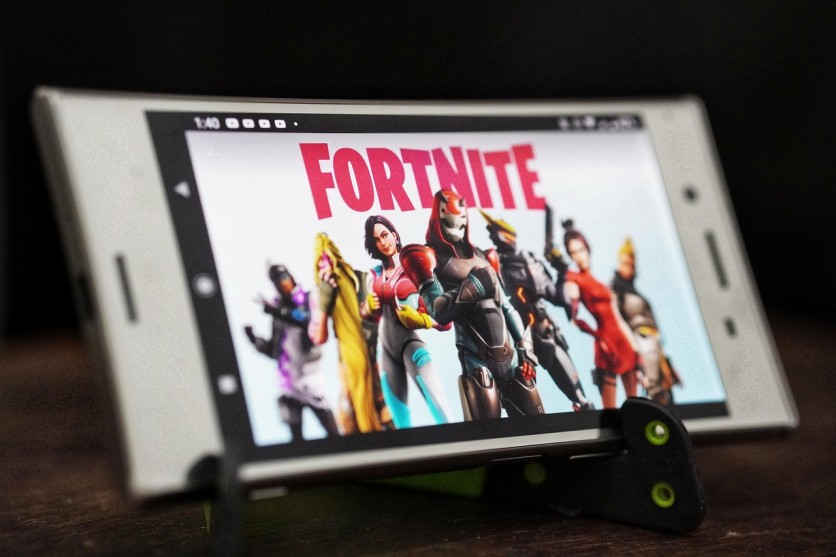
As one of the most popular battle royale games in the world, "Fortnite" continuously attracts millions of new players eager to test their skills in fast-paced matches. This "Fortnite" beginner guide details the game's combination of shooting, building, and survival mechanics, which can seem overwhelming.
What Is 'Fortnite' and How Do You Play It?
"Fortnite," developed by Epic Games, is a free-to-play game centered around being the last person or team standing. The most popular mode, Battle Royale, drops 100 players onto an island filled with weapons, resources, and challenges. Players must explore, fight, and outlast competitors while an encroaching storm gradually reduces the playable area.
In addition to Battle Royale, "Fortnite" includes Zero Build, which removes the building mechanic for straightforward combat, Creative Mode for user-generated maps, and Save the World, a cooperative player-versus-environment experience. Regardless of mode, understanding movement, map awareness, and resource management is key to survival.
How to Start Playing 'Fortnite' as a Beginner
New players can download "Fortnite" through the Epic Games Store on PC or from console and mobile app stores. After installing, creating an Epic Games account allows access to cross-platform progression and social features.
Once in the lobby, users can select from various game modes, customize their character, and queue into a match. The interface includes key areas such as the Locker for cosmetic items, the Item Shop for limited-time skins, and the Battle Pass section offering seasonal rewards. For beginners, the lobby might seem complex, but focusing first on entering matches and learning gameplay fundamentals is most beneficial.
What Should a Beginner Do in Their First 'Fortnite' Game?
Every match begins aboard the Battle Bus, which flies across the island. Choosing a landing location carefully can influence the entire match outcome. New players are advised to pick less crowded areas rather than high-traffic landmarks. This gives time to loot weapons and gather materials safely.
Upon landing, the top priority is loot collection. Weapons, shields, and healing items are scattered in chests and on the ground. Beginners should aim to secure at least one close-range gun, such as a shotgun, and one mid-range weapon, like an assault rifle.
Staying inside the Safe Zone, the circular area marked on the map, is vital. The storm outside continues to deal damage, pushing players toward confrontation. New players should aim to reach the safe zone early and maintain awareness of its following location. During the first few matches, survival and exploration are more valuable than aggressive play.
Understanding the Basic Controls and Mechanics
The key mechanics of "Fortnite" revolve around movement, combat, and building. Players can sprint, crouch, jump, and mantle onto obstacles. Combat relies heavily on accuracy, weapon control, and situational awareness. Building adds a unique layer of verticality, allowing players to cover themselves, gain height advantage, or traverse challenging terrain.
Each platform, controller, keyboard, or mobile, offers customizable settings. Adjusting sensitivity and keybinds early can vastly improve performance. Practicing in "Playground" or Creative mode helps newcomers understand weapon handling before joining competitive matches.
How to Build in 'Fortnite' for Beginners
Building is a defining feature of "Fortnite" and separates it from other shooters. Players collect materials such as wood, stone, and metal by breaking environmental objects. These materials can be used to create structures for defense or mobility.
Beginners should start with basic builds:
- A ramp for gaining height quickly.
- A wall for blocking incoming fire.
- A simple 1x1 box as temporary cover.
Practicing these structures in safe zones is crucial. However, some players prefer Zero Build Mode, where success depends solely on positioning and accuracy. This mode can help new players focus on shooting fundamentals before learning advanced building techniques.
Choosing the Best Weapons as a Beginner
"Fortnite" features a dynamic arsenal, with weapons classified by rarity, from Common (gray) to Mythic (gold). Higher rarity often means better performance, though familiarity with weapon types matters most for beginners.
- Assault Rifles: Best for mid-range combat and are easy to control.
- Shotguns: Essential for close encounters inside buildings.
- Submachine Guns (SMGs): Provide a fast fire rate for short-distance fights.
- Sniper Rifles: Useful for long-range engagements but require precision.
Beginners should also carry Shield Potions and Medkits to restore health and shields between fights. Learning the balance between offensive and defensive items helps new players adapt to unpredictable situations.
How to Improve Aim and Reaction Time
Accurate aim often determines who wins gunfights. Practicing aim in Creative Mode or using community-designed training maps can greatly improve accuracy and reflexes.
Beginners should experiment with sensitivity settings to find a comfortable level of control. Lower sensitivities tend to offer better precision, while higher ones allow faster turning. For controller players, enabling Aim Assist helps fine-tune shots against fast-moving targets. Consistent practice across matches leads to natural improvement over time.
Common Mistakes New 'Fortnite' Players Should Avoid
Many beginners struggle due to fixable mistakes. Some of the most common include:
- Landing in high-traffic areas and getting eliminated too early.
- Ignoring the storm timer and taking excessive damage.
- Overbuilding without understanding positioning.
- Carrying too many similar weapons instead of utility items.
- Engaging every player instead of playing strategically.
Avoiding these errors allows players to survive longer and gain valuable experience from each match. Early success is less important than learning effective decision-making.
Tips to Win More 'Fortnite' Matches (Beginner Edition)
Winning a "Fortnite" match relies on strategy as much as mechanics. Some effective new player "Fortnite" tips include:
- Play patiently and third-party fights when other players are weakened.
- Stay close to cover or high ground whenever possible.
- Use audio cues such as footsteps and chest sounds to track opponents.
- Maintain awareness of the storm circle and anticipate enemy movement.
- Carry a combination of shields, healing items, and explosives for flexibility.
The goal is to survive, not rush headfirst into danger. Players who prioritize positioning and awareness will often outlast others with better aim.
How to Play 'Fortnite' With Friends
"Fortnite" is more enjoyable and educational when played with teammates. Adding friends through the Epic Games interface allows players to form Duo or Squad parties. Working with others promotes team communication, coordination, and shared strategies.
Playing cooperatively also exposes new players to different tactics, such as splitting roles between builders and shooters. Over time, this teamwork teaches map control and dynamic responses during intense fights.
Recommended Settings for Beginners
Performance and comfort play key roles in early gameplay. Beginners should adjust the following settings:
- Graphics: Use medium or low settings on PC for smoother frame rates.
- Sensitivity: Keep movement and aim sensitivity moderate for better control.
- Keybinds/Controller Layout: Customize based on muscle memory and accessibility.
- HUD Options: Simplify the display to reduce clutter and improve focus.
Optimized settings not only increase reaction time but also minimize distractions during matches.
How to Get Better in 'Fortnite' Over Time
Progress comes with consistency and analysis. New players should review their first ten matches to identify recurring challenges. Watching gameplay replays helps pinpoint moments of hesitation or poor aim.
Following experienced "Fortnite" content creators or guides can provide advanced tactics once the basics are mastered. Eventually, every player develops a unique style, some excel at aggressive combat, while others prefer defensive play or support roles within squads. The key is maintaining regular practice and analyzing outcomes objectively.
This "Fortnite" beginner guide is designed to make the first few matches both educational and rewarding. By focusing on survivability, efficient looting, and gradual skill improvement, new players can transition from confusion to confidence. "Fortnite's" learning curve may seem steep, but with patience, practice, and attention to new player "Fortnite" tips, every match becomes an opportunity to improve.
Whether building sky-high bases or mastering Zero Build tactics, the essential lesson remains the same: adapt, experiment, and enjoy the experience. "Fortnite" rewards creativity just as much as strategy, making every victory earned through learning and persistence.
Frequently Asked Questions
1. How long does it take to get good at 'Fortnite' for a beginner?
Improvement varies widely depending on how much time a player spends practicing. Most new players start feeling comfortable after about 20–30 matches, once they understand weapons, movement, and map flow. Consistent practice in Creative mode or Zero Build can speed up progress by focusing on specific skills like aiming and positioning.
2. Do beginners need to buy the Battle Pass in 'Fortnite?'
Buying the Battle Pass is optional and does not affect gameplay performance. It simply unlocks additional cosmetic rewards for completing challenges. For new players, it's often better to first focus on learning the mechanics of the game before investing in the Battle Pass. Once they're comfortable, it can add motivation through progression goals.
3. What are bots in 'Fortnite,' and why do new players encounter them?
Epic Games includes AI-controlled bots in early matches to help beginners learn without being overwhelmed by experienced players. Bots behave like ordinary opponents but are less skilled. As players improve and win more matches, the number of bots gradually decreases, matching them with real players of similar skill levels.
4. Is building still important if I only play Zero Build mode?
While Zero Build removes the construction mechanic, understanding building concepts can still help. Familiarity with map structure, cover strategy, and mobility skills originally tied to building translates well to Zero Build. Knowing how players use builds in traditional modes also helps predict enemy actions in mixed playlists or team matches.
ⓒ 2026 TECHTIMES.com All rights reserved. Do not reproduce without permission.


