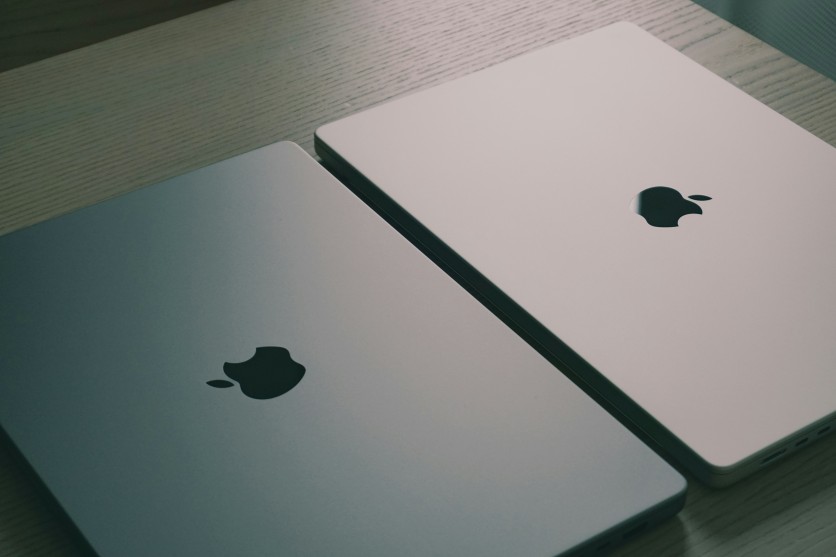
MacBook Air vs MacBook Pro 2026 comparisons highlight Apple's M5 chip across both lines, delivering up to 30% efficiency gains over the previous M4 models. The MacBook Air remains ideal for 90% of users with its fanless design, ultrathin chassis, and all-day battery, while the MacBook Pro offers active cooling, expanded memory, and high-performance GPU cores for demanding workflows. Apple laptop comparison emphasizes portability versus connectivity options, with the Air weighing just 2.4 lbs and the 14-inch Pro at 3.4 lbs with HDMI and SDXC slots. MacBook buying guide considerations now revolve around workflow needs, display requirements, and battery endurance, making the 2026 models versatile for casual users and professionals alike.
Choosing between these laptops depends on your daily workload. The Air excels in lightweight tasks, web development, and office productivity, while the Pro shines in video editing, 3D rendering, and content creation where sustained performance is critical. Both models benefit from macOS 17 optimizations, faster storage, and improved thermal efficiency. Long-term software support ensures either laptop remains viable through 2030, making the MacBook Air vs Pro 2026 decision a balance of portability, power, and workflow priorities.
Design and Portability
MacBook Air vs Pro 2026 shows how Apple balances portability and professional utility. Design choices affect everyday use, travel convenience, and ergonomics. While the Air focuses on lightweight mobility, the Pro caters to users requiring additional ports and display options for creative workflows.
- Air Chassis: Ultralight 0.44-inch aluminum body available in Midnight and Silver finishes. The hinge allows 140° tented or flat modes, perfect for presentations and flexible desk setups.
- Weight and Battery: Air weighs just 2.7 lbs and supports 18-hour battery life, making it ideal for coding, study sessions, and travel without frequent charging.
- Pro Display Options: Nano-texture Liquid Retina XDR reduces glare by 70%, maintaining accurate color grading in bright or outdoor environments.
- Portability Comparison: Air emphasizes slimness and long battery life, while Pro adds HDMI, SDXC, and extra Thunderbolt ports for professional connectivity.
The Air remains the go-to for mobile users and students, whereas Pro's slightly larger, heavier build accommodates enhanced performance and connectivity without sacrificing ergonomic comfort.
Performance Breakdown
Performance differentiates MacBook Air vs Pro 2026 more than size or design. Users need to consider CPU/GPU cores, memory, and cooling when planning workflows. The Pro handles heavy multitasking and creative workloads, while the Air is optimized for efficiency and casual to moderate professional use.
- M5 Base Chips: Air comes with 10 CPU / 10 GPU cores, sufficient for coding, browsing, and productivity apps. Pro unlocks M5 Pro/Max chips with up to 14 CPU / 20 GPU cores for video editing, 3D modeling, and rendering.
- Thermal Management: Air is fanless and sustains ~80% peak for 30 minutes before throttling; Pro's active cooling prevents 25% thermal throttling under long workloads.
- Unified Memory: Pro scales to 128GB, handling 8K RAW and multi-window spatial apps; Air caps at 24GB, which may swap under intensive AI or graphics tasks.
- Workflow Suitability: Air is ideal for everyday productivity, office work, and casual creative apps. Pro excels at professional media production, software development, and graphics-intensive workflows.
These specifications make it clear that Apple laptop comparison favors Pro for demanding creative work, while Air remains fully capable for most users' everyday needs.
Display and Audio Differences
MacBook Air vs Pro 2026 displays and audio define the user experience for work, media, and entertainment. Brightness, refresh rates, speaker quality, and microphone fidelity impact editing, streaming, and collaboration. Air balances portability and quality, whereas Pro targets professional and creative standards.
- Brightness and Refresh: Pro's Liquid Retina XDR reaches 1600 nits HDR with 120Hz ProMotion scrolling; Air offers 500 nits at 60Hz, suitable for standard use.
- Audio Systems: Pro features a 6-speaker spatial audio array with extended bass; Air includes 4-speaker stereo sufficient for calls and casual media.
- Microphones and Trackpad: Pro's studio-quality mics capture twice as clean audio; its Force Touch trackpad is 20% larger for precise gestures.
- Professional Use Case: Pro supports video grading, 3D design, and media editing; Air is optimized for video calls, coding, and general productivity tasks.
Pro's visual and audio fidelity meets professional requirements, while Air balances quality with portability and everyday use.
Battery and Connectivity
Battery life and connectivity influence MacBook buying guide decisions in 2026. Users must weigh how long the laptop can sustain intensive tasks and the types of peripherals needed. Air emphasizes all-day mobility, while Pro provides extended workflows for creators with more display and port options.
- Battery Life: Air lasts 15 hours; Pro reaches 22 hours of video playback under similar conditions.
- Ports: Pro includes three Thunderbolt 5 ports, HDMI 2.1, SDXC; Air is limited to two TB4 ports.
- MagSafe 3 Charging: Both laptops feature magnetic charging, reducing accidental cable pulls.
- Peripheral Support: Pro allows daisy-chaining 4K monitors, external GPUs, and advanced peripherals; Air supports two external displays, covering most productivity setups.
Long battery life and advanced connectivity options enable users to tailor their MacBook to both daily routines and professional environments.
Conclusion
MacBook Air vs Pro 2026 decisions depend on workflow and portability priorities. The Air suffices for roughly 85% of users seeking fanless design, ultralight chassis, and long battery life, making it the best choice for daily productivity and mobile use. Meanwhile, the Pro justifies its $500 premium for professionals requiring sustained peak performance, high-resolution displays, and extensive port options. Apple laptop comparison shows that both models will remain viable through 2030, ensuring compatibility with future macOS updates, creative apps, and productivity tools.
Choosing the right MacBook in 2026 comes down to evaluating performance needs versus portability. Long-lasting games, software development, and media editing all benefit from Pro's power, while general users gain efficiency and convenience with Air. Battery longevity, workflow flexibility, and display fidelity make these models competitive for years, proving that both options offer sustainable value for different types of users.
Frequently Asked Questions
1. MacBook Air vs Pro 2026 best everyday use?
The MacBook Air M5 is lighter and completely silent, making it ideal for everyday use. Its 18-hour battery allows for all-day productivity without needing a charger. Air handles coding, office work, streaming, and casual media effortlessly. For most users, it balances performance and portability better than the Pro.
2. Apple laptop comparison for video editing?
The MacBook Pro M5 Pro or Max excels in video editing with active cooling that prevents throttling. Its 120Hz ProMotion and HDR Liquid Retina XDR display provide accurate color grading. Pro supports 8K timelines, Final Cut Pro, and 3D rendering seamlessly. It is the top choice for professional creators requiring sustained peak performance.
3. MacBook buying guide ports needed?
The MacBook Pro includes HDMI, SDXC, and three Thunderbolt 5 ports for advanced peripherals. Air offers two Thunderbolt 4 ports, which are sufficient for typical productivity and casual setups. Pro allows daisy-chaining multiple 4K monitors and external GPUs. Choosing between them depends on whether you need extensive connectivity or prioritize portability.
4. Battery winner 2026?
The MacBook Pro lasts 22 hours under real-world workloads, making it ideal for long creative sessions. Air provides 15 hours, enough for a full day of coding, media, or office work. Pro's extended battery supports power-hungry applications, while Air prioritizes portability. Users should choose based on how demanding their daily tasks are.
ⓒ 2026 TECHTIMES.com All rights reserved. Do not reproduce without permission.


