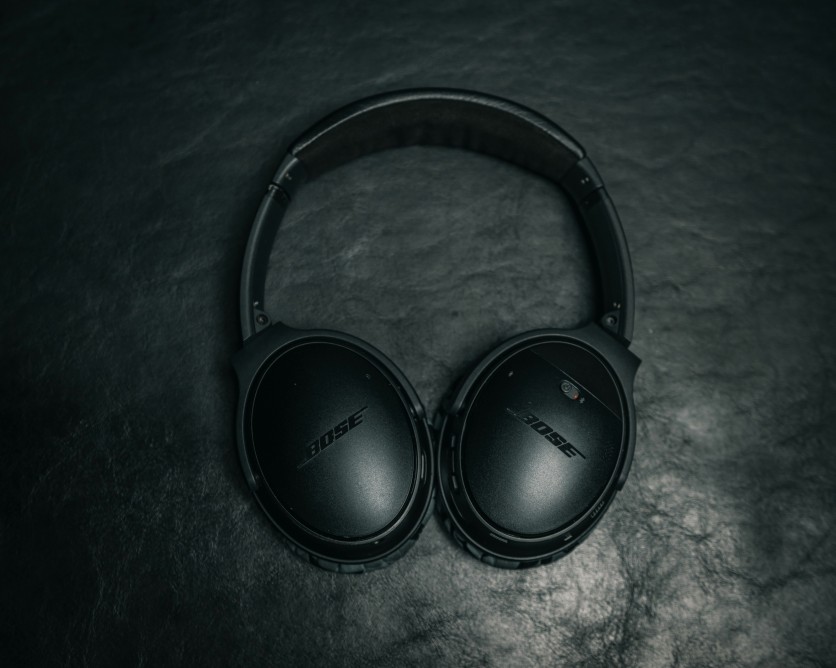
Wireless gaming headsets have evolved into serious competitive tools, with the wireless gaming headset category now matching wired models for speed and reliability. Advances in 2.4GHz dongles deliver sub-15ms latency, while surround sound headset processing enables precise positional awareness using Dolby Atmos and spatial audio engines. These improvements matter as esports titles demand faster reactions and clearer audio cues to track enemy movement accurately.
Gaming audio expectations have also risen sharply. Modern headsets now support 24-bit/96kHz playback, extended frequency ranges, and AI-powered microphones that block background noise. With battery life exceeding 100 hours on premium models and seamless compatibility across PC, PlayStation, and Xbox, wireless gaming headsets in 2026 are built for marathon sessions and competitive consistency without cables.
Key Technologies Driving Wireless Gaming Headsets in 2026
Wireless gaming headset performance depends heavily on connection protocols and audio processing. Manufacturers now rely on proprietary low-latency wireless standards such as Lightspeed and Slipstream, delivering end-to-end delays as low as 12 milliseconds. This level of responsiveness ensures that gunfire, footsteps, and ability cues align perfectly with on-screen action, even in competitive shooters.
Surround sound headset technology has also advanced through personalized HRTF profiles. Ear-scanning software customizes spatial audio for individual listeners, improving directional accuracy across 360-degree soundfields. Gaming audio drivers further benefit from neodymium magnets and titanium-coated diaphragms, reducing distortion and maintaining clarity at high volumes during intense gameplay moments.
Read more: PlayStation VR 2 Guide 2025: Pro Tips, Best Games, and Essential VR Setup Tricks You Must Know
Top Performers Among Wireless Gaming Headsets
The wireless gaming headset market in 2026 is led by flagship models built for competitive play and long sessions. These headsets focus on powerful drivers, clear microphones, and extended battery life. Each top performer offers distinct advantages depending on audio preference and platform needs.
- Audeze Maxwell – Features large planar magnetic drivers for deep bass and detailed mids, paired with up to 110 hours of battery life and AI sidetone monitoring for marathon gaming.
- SteelSeries Arctis Nova Pro Wireless – A premium surround sound headset with hot-swappable batteries and software profiles that auto-tune gaming audio for hundreds of supported titles.
- Logitech G Pro X 2 Lightspeed – Combines lightweight design with graphene drivers and advanced mic filters, delivering broadcast-quality voice clarity for competitive communication.
Gaming Audio Performance Metrics That Matter
Gaming audio performance goes beyond sound quality, focusing on endurance, imaging accuracy, and consistency under load. Battery life and spatial awareness directly affect competitive reliability during long sessions. High-end wireless gaming headsets now outperform older wired models in real-world benchmarks.
- Razer BlackShark V2 Pro (2026) – Offers up to 70 hours of battery life with excellent height-channel imaging for accurate tracking of aerial threats and explosions.
- Corsair Virtuoso XT – Delivers balanced sound tuning, extended runtime, and cloud-synced EQ profiles that stay consistent across multiple devices.
- Directional Accuracy Benchmarks – Premium surround sound headset models show up to 20% higher positional accuracy in blind testing compared to midrange alternatives.
Comfort and Features in Modern Wireless Gaming Headsets
Comfort and build quality now define premium wireless gaming headsets as much as sound performance. Long gaming sessions demand materials that reduce heat and pressure fatigue. Feature-rich designs also ensure seamless switching between platforms and devices.
- Advanced Comfort Materials – Memory foam earcups with phase-change cooling maintain stable temperatures during 8–10 hour sessions.
- Durable Construction – Aluminum yokes, reinforced hinges, and sweat-resistant coatings improve longevity for daily and tournament use.
- Multi-Platform Connectivity – USB dongles support instant PC, PlayStation, and Xbox switching, while Bluetooth 5.3 enables mobile calls and chat without dropping the main connection.
Conclusion
Wireless gaming headset innovation in 2026 shows that cables are no longer necessary for competitive gaming audio. With surround sound headset precision, ultra-low latency, and studio-grade microphones, players gain reliable performance across fast-paced genres. These headsets deliver accuracy, comfort, and clarity that meet professional esports demands.
As gaming ecosystems continue to merge across platforms, wireless gaming headsets provide flexibility and future-ready features. Strong battery life, advanced spatial processing, and durable designs ensure that today's premium models remain relevant well into the next generation of PC and console gaming.
Frequently Asked Questions
1. Wireless gaming headset lowest latency?
Modern wireless gaming headsets achieve latency as low as 12 milliseconds using proprietary 2.4GHz protocols. This delay is effectively unnoticeable during gameplay. Competitive players benefit from near-instant audio feedback. Wired alternatives no longer offer a clear advantage.
2. Surround sound headset best imaging?
Surround sound headsets with personalized HRTF profiles deliver up to 98% directional accuracy. Ear-scanning software adapts spatial cues to individual hearing shapes. This improves vertical and horizontal positioning. It is especially useful in FPS and battle royale games.
3. Gaming audio battery leader?
The Audeze Maxwell currently leads gaming audio battery performance with up to 110 hours per charge. Its efficient planar drivers reduce power consumption. Swappable battery support minimizes downtime. This makes it ideal for long competitive schedules.
4. Cross-platform compatibility?
Most premium wireless gaming headsets support PC, PlayStation, and Xbox through multi-platform dongles. Bluetooth adds mobile device support simultaneously. Switching between platforms takes seconds. This flexibility suits gamers who play across multiple systems.
ⓒ 2026 TECHTIMES.com All rights reserved. Do not reproduce without permission.


