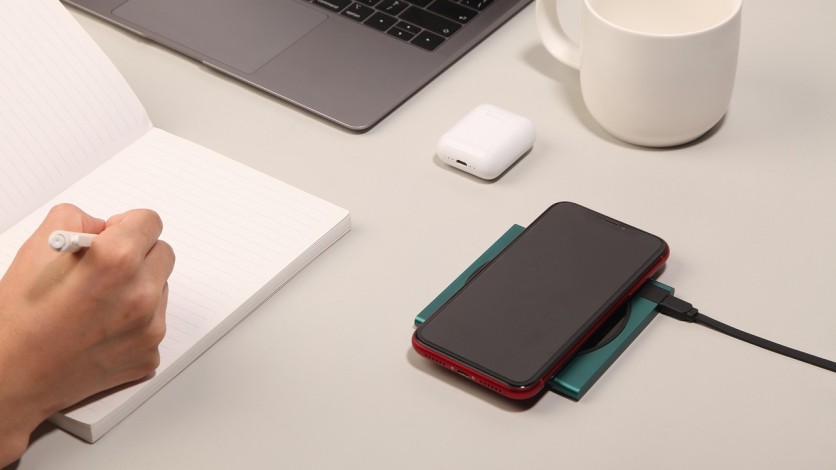
As workspaces continue to evolve through technology and design, the wireless charging desk has emerged as one of the most innovative features in modern office and home setups. This advancement reflects a shift toward smart furniture, products that combine digital functionality with traditional design principles.
With built-in charging solutions embedded into surfaces, wireless charging desks are simplifying how people power their devices while maintaining clean, minimalist work environments.
What Is a Wireless Charging Desk?
A wireless charging desk integrates inductive charging technology directly into its surface, enabling compatible devices to charge without cables. Using Qi‑based technology, the wireless charging standard used in most smartphones and accessories, these desks transfer energy via electromagnetic fields between coils in the charger and the device.
Some advanced models go beyond phone charging, offering multiple coils to support tablets, wireless earbuds, and even laptops with proprietary receivers or adapters. Others combine wireless and wired charging solutions, incorporating USB‑C or USB‑A ports for versatility.
Manufacturers often design charging zones that are subtly marked or illuminated, allowing users to charge by simply placing their device in the correct area of the desk. This seamless integration represents a growing trend toward functional furniture that enhances productivity without visual clutter.
Why Are Wireless Charging Desks Gaining Popularity?
Wireless charging desks are gaining traction as people seek tools that make work more efficient and aesthetically pleasing. In both home offices and corporate spaces, tangled power cords and bulky adapters contribute to an unorganized environment. The wireless charging desk eliminates these distractions and promotes a sense of order.
The rise of smart furniture corresponds with the growing emphasis on hybrid work models and ergonomic design. Professionals are spending more time at desks than before, making convenience and connectivity critical. Built‑in charging solutions allow users to stay powered throughout the day without interrupting workflows to find outlets or chargers.
Designers are also responding to the need for sustainability and long‑lasting materials. Many wireless charging desks are made from eco‑conscious wood, metal, or recycled composites, blending high performance with modern aesthetics. The combination of function, style, and sustainability has widened the appeal of this furniture category.
How Do Wireless Charging Desks Improve Workspace Productivity?
Integrated power delivery is not merely a convenience, it directly enhances productivity and safety. Workers no longer have to search for power strips, untangle cords, or deal with overloaded extension outlets. The result is cleaner desk organization and fewer distractions, which contribute to mental clarity and focus.
Wireless charging desks also support the trend of "activity‑based working," where employees move between work zones without the need to reconnect cables or accessories. In workplaces that implement smart furniture ecosystems, charging desks can be paired with lighting or height‑adjustable systems that adapt automatically to user preferences.
By minimizing downtime and maximizing workspace efficiency, wireless charging desks enable professionals and students to stay connected across multiple devices, phones, tablets, and even laptops in some models, while keeping the surface clear for actual work.
Key Features to Look for in a Wireless Charging Desk
Not all wireless charging desks are built the same. Shoppers should evaluate several core features to ensure compatibility, safety, and long‑term value.
- Qi Wireless Charging Compatibility: Most devices use the Qi standard, offering between 10W and 15W power output, sufficient for smartphones and small devices.
- Wired Connectivity Options: Desks equipped with USB‑C or USB‑A ports support devices that still rely on cables.
- Power Delivery (PD) Support: High‑end models feature power delivery ports capable of charging laptops or larger electronics at higher wattages.
- Ergonomic Design: Adjustable heights, modular attachments, or flexible layouts help support posture and productivity.
- Quality and Durability: Materials like solid bamboo, tempered glass, or steel provide longevity and stability.
- Smart Integration: Certain models sync with smartphone apps or IoT platforms to monitor usage and energy consumption.
Selecting the right combination of these features allows users to tailor the desk to their specific workspace style and technology needs.
Are Wireless Charging Desks Safe and Energy Efficient?
Safety remains a top concern when integrating electronics into furniture. Modern wireless charging desks adhere to strict safety standards, featuring mechanisms such as temperature regulation, short‑circuit protection, and foreign‑object detection to prevent overheating or electrical faults.
Most wireless charging systems are energy efficient. They automatically stop transferring power when devices reach full charge or when no compatible object is detected. While wireless methods can be slightly less efficient than direct wired charging, the difference is minimal with current technology.
In addition, the environmental benefits are notable. By reducing the need for multiple adapters and cables, wireless desks help cut electronic waste. For offices aiming to become more sustainable, this feature aligns with corporate energy‑efficiency goals.
Read more: Will Foldable and Modular Devices Go Mainstream in 2026? Future Smartphones & Tech Trends
How Do Wireless Charging Desks Fit Into the Future of Smart Offices?
The future of smart furniture is rooted in seamless connectivity and adaptive environments. Wireless charging desks are just one piece of this ecosystem, complementing other intelligent office solutions like automated lighting, voice‑controlled systems, and climate‑responsive workstations.
Modern offices increasingly integrate Internet of Things (IoT) devices that communicate with user preferences. For example, a wireless charging desk could detect which employee is using it through a connected app, automatically adjusting height, brightness, and charging configurations. These innovations foster personalized workstations that enhance comfort and efficiency.
Looking ahead, developers are experimenting with omnidirectional charging surfaces that can deliver consistent power to multiple devices simultaneously, regardless of placement. This evolution will make charging solutions even more intuitive, transforming entire furniture surfaces into active energy fields.
Additionally, sustainability will remain central. Smart furniture manufacturers are exploring ways to incorporate recycled electronic materials, renewable energy sources, and power management software that optimizes energy use. As a result, wireless charging will increasingly align with environmental design goals while enhancing user experience.
Integration With Home and Hybrid Workspaces
Beyond corporate environments, wireless charging desks have become valuable additions to home offices and hybrid work setups. Remote professionals appreciate the convenience of maintaining clutter‑free work areas while keeping devices powered for online meetings and daily tasks.
Some consumer‑focused models merge technology with interior design by hiding charging components under wood or glass tops. This approach maintains a warm, residential feel while delivering high‑tech functionality, a balance that defines today's design‑driven smart furniture.
The adaptability of these desks makes them suitable across contexts, from student study areas to executive offices. Their combination of wireless power and ergonomic design supports both aesthetic and practical needs in multipurpose spaces.
Challenges and Considerations
Although promising, wireless charging desks still face several limitations that consumers and businesses should consider. Charging speed varies between devices; higher‑power gadgets such as laptops may charge slower than through direct connections. Compatibility remains another challenge, as not all gadgets support Qi standards.
Cost can also be higher than conventional desks, though prices are gradually dropping as adoption grows. Maintenance is minimal, but surfaces need occasional cleaning to ensure charging efficiency and prevent overheating from dust accumulation.
As technology advances, these obstacles are expected to decrease, making wireless charging desks more accessible to a broader range of users and budgets.
The wireless charging desk represents the next step in the evolution of smart furniture, merging elegant design with practical charging solutions that simplify daily work life. As society embraces hybrid work and connected living, these desks exemplify how furniture can serve more than static functions, it can interact, adapt, and support productivity in real time.
By integrating wireless power delivery seamlessly into the workspace, manufacturers are not just selling furniture but redefining what it means to work efficiently and sustainably. In the coming years, as IoT integration deepens and costs decline, the wireless charging desk may well become as essential to modern offices as the laptop itself.
Frequently Asked Questions
1. Can a wireless charging desk charge multiple devices at once?
Yes, many models feature multiple charging zones or combined wireless and USB ports, allowing several devices to charge simultaneously without performance loss.
2. Do wireless charging desks work with all phone brands?
Most wireless charging desks use the Qi standard, compatible with major brands like Apple, Samsung, and Google, though older or non‑Qi devices may need adapters.
3. How difficult is it to install a wireless charging desk?
Most units are plug‑and‑play and only require a power connection. Built‑in charging desks come ready to use, while upgrade kits may need basic assembly or tools.
4. Are wireless charging desks compatible with laptop charging?
Only select models with higher power delivery modules or USB‑C PD ports can charge laptops efficiently, as most wireless systems are optimized for smaller devices.
ⓒ 2026 TECHTIMES.com All rights reserved. Do not reproduce without permission.


