

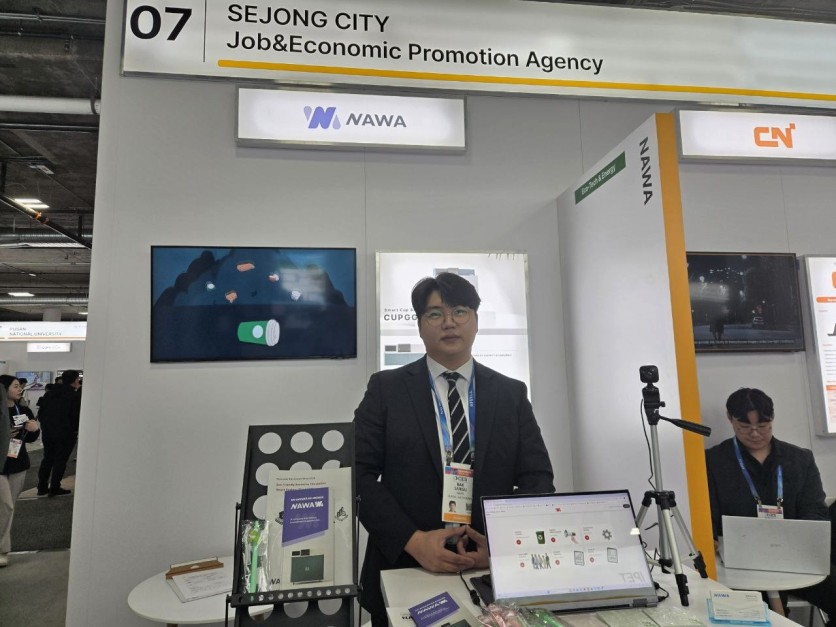
LAS VEGAS — As the world shifts its gaze toward sustainability at CES 2026, Nawa is making a definitive statement about the future of waste management. The company, known for its innovative recycling sheets, has unveiled a sophisticated new AI-driven system designed to solve one of the most persistent problems in the circular economy: the accurate identification and sorting of consumer waste.
By integrating advanced computer vision with a "data labeling box" philosophy, Nawa is transforming the humble recycling bin into an intelligent node for environmental data.
The AI Revolution in Waste Identification
The centerpiece of Nawa's 2026 showcase is a new AI model capable of detecting and classifying beverage cups with unprecedented precision. While traditional recycling systems often struggle to differentiate between different types of resins or composite materials, Nawa's technology can identify:
- Material Composition: Instantly distinguishing between paper, plastic, and multi-layered materials.
- Brand Traceability: The AI can even identify which specific company manufactured the cup, providing valuable metadata to producers who are increasingly held responsible for their product's lifecycle.
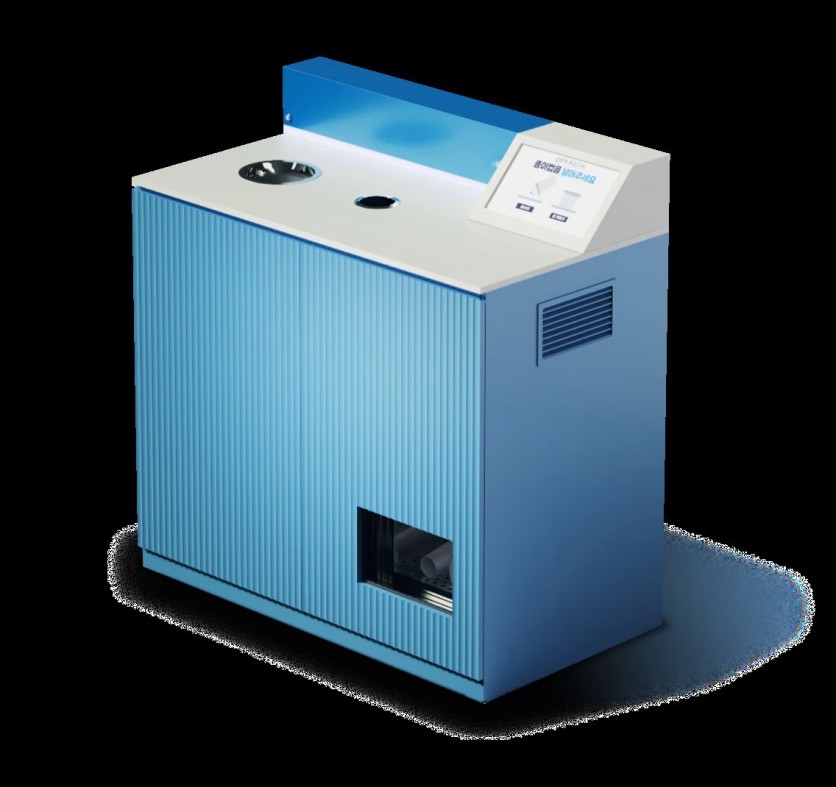
- Data Labeling at Source: The machine acts as a "data labeling box," finding and categorizing a "vitro pop" (individual items) and recording that history into a central database.
"The biggest difference is that we collect the assembly news cup for recycle and then we also collect data," a Nawa representative explained. This dual-purpose approach ensures that while the physical item is being recovered, the digital record of that item can be used by other software to estimate environmental impact and optimize logistics.
A New Standard for Environmental Scores
Nawa's technology isn't just about sorting; it's about validation. The company has already achieved high scores in Quality Control (QC) assessments at prestigious universities, proving the reliability of their systems. These systems are particularly valuable for the ESS (Environmental, Social, and Governance) part of corporate reporting, where accurate data on recycled single-use newspapers and plastics is traditionally difficult to find.
By providing a machine-led, AI-verified audit trail, Nawa allows companies and municipalities to move away from guesswork and toward a transparent, data-backed recycling model.
The Road to 2027: Compact and Ubiquitous
Looking ahead to CES 2027, Nawa is focused on miniaturization and versatility. The company recognizes that for recycling to truly work, it must be accessible everywhere—not just in specialized facilities.
- Compact Design: Nawa plans to release a more compact, "similar" version of their machinery in 2027, making it easier to integrate into existing retail and office environments.
- Exterior Integration: Future models will be designed for "heavy duty" use outside of buildings, at major events, and even in "dream leg" (leisure) environments.
- Expanding Opportunities: This shift toward smaller, more rugged machines is intended to "attract more opportunity" and lower the barrier to entry for businesses looking to implement professional-grade recycling solutions.
As Nawa continues to refine its AI and hardware, the goal remains clear: to create a world where no cup is left untracked, and every piece of waste becomes a valuable data point in a truly circular economy.
ⓒ 2026 TECHTIMES.com All rights reserved. Do not reproduce without permission.


