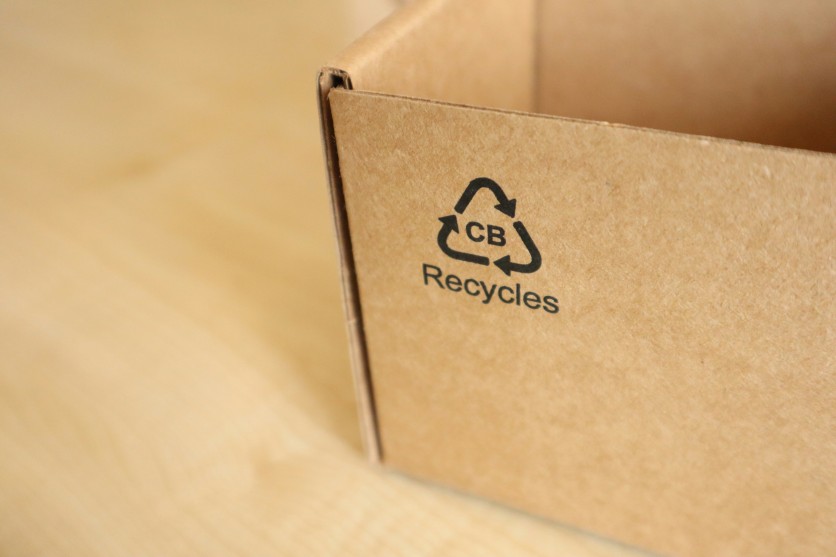
Sustainable packaging is becoming a central focus for tech companies aiming to reduce environmental impact while maintaining product protection. Innovations like fiber-based materials, compostable mycelium, and recycled plastics are transforming electronics, consumer goods, and packaging supply chains. Investment funds, digital R&D tools, and eco-design platforms allow companies to scale solutions quickly while reducing carbon footprints, waste, and reliance on virgin plastics.
These initiatives are more than temporary measures—they represent a long-term shift toward circular economy practices. By combining smart materials, manufacturing optimization, and advanced prototypes, sustainable packaging tech is reducing single-use plastics, cutting production energy, and enabling products to be reused, recycled, or composted efficiently. From electronics to consumer products, these efforts set new standards for responsible production and packaging.
Sustainable Packaging Tech Fiber-Based Innovations
Fiber-based materials are leading the charge in sustainable packaging tech, providing flexible alternatives to traditional plastics. Companies are using patented wood fibers, pulps, and biomass to replace films, bottles, and protective packaging without compromising functionality.
- Paptic wood fiber: Soft, flexible fibers replacing plastic films in electronics and hygiene products across 50 countries
- Pulpex fiber bottles: Sustainably sourced pulp, recyclable with household paper/card streams, backed by £62m Series D funding
- growPack: Compostable corn husk and lignin-based cardboard, liquid-resistant, breaking down within 12 weeks
- Unilever recycled plastic tools: 160 plastic grades analyzed digitally to cut physical prototypes by 25%
- Ecovative mycelium: Polystyrene-free packaging for electronics, fully compostable and harmless
Fiber-based innovations combine material science with scalable production to reduce plastic dependence while supporting circular economy principles. These solutions offer low-carbon alternatives without compromising performance, allowing industries to rethink packaging from the ground up.
Green Electronics: Mycelium and Pulp Investments
Green electronics are increasingly paired with bio-based packaging solutions, scaling compostable and low-carbon alternatives across global supply chains. Mycelium-based materials and moldable pulp create protective, eco-friendly packaging while enabling circularity in electronics and consumer products.
- Ecovative mycelium: Mushroom-root packaging for Dell computers, composts in 12 weeks, replaces polystyrene
- Emerald Technology Ventures fund: €4.5m supporting low-footprint feedstocks and functional materials
- Pulpex moldable pulp: Scalable, lower-carbon alternative to glass or plastic bottles, integrated into household recycling streams
- Henkel & Emerald packaging fund: Financing smart materials and industrial technologies to reuse, recycle, and decarbonize
- Global partners in Glasgow ecosystem: Collaborative efforts to scale decarbonized bio-packaging solutions
Investments in mycelium and pulp-based packaging demonstrate how tech and consumer companies are committing to circular economy principles. By adopting these materials, companies reduce plastic pollution and operational carbon footprints while supporting biodegradable or recyclable alternatives at scale.
Read more: 10 Green Tech Innovations Leading the Future of Sustainable Technology and Planet Protection
Eco Design Recycled Plastic R&D Advances
Eco design innovations optimize recycled plastic usage and prototype development, reducing both environmental impact and production time. Advanced digital tools, pilot programs, and virtual factory trials allow companies to test multiple material iterations without creating wasteful physical prototypes.
- Unilever Global Packaging R&D: 160 recycled plastic grades, digital color predictor cuts prototype development by 25%
- TIPA solutions: Recyclable PET/HDPE cardboard and paper, reprocessed into new packaging
- Advanced Manufacturing pilots: Optimize virtual materials before factory rollouts, reducing plastic pollution
- Henkel & other brands: Lifecycle investments in collection, sorting, recycling, and circular models
- Global eco design initiatives: Kraft Heinz, Nestlé, Lush, Coca-Cola, Notpla exploring mycelium and bio-alternatives to single-use plastics
These R&D advances accelerate adoption of recycled plastics, turning waste into functional, sustainable materials while minimizing trial-and-error inefficiencies. By digitizing design and material testing, companies are able to scale eco-friendly packaging with speed and precision.
Material Bioscience and Policy Calls
Material bioscience supports sustainable packaging by using lignin, cellulose, corn husks, and other biomaterials to create compostable, liquid-resistant solutions. Green electronics systems and eco-design methods demonstrate that voluntary business initiatives are not enough—coordinated policies and lifecycle regulations are needed for global impact.
- Biomass-based materials like growPack and mycelium reduce reliance on plastics
- Digital R&D tools optimize prototypes, saving energy and resources
- Policy and industry alignment required for lifecycle management and recyclability
- Voluntary business efforts insufficient; coordinated measures ensure scale and effectiveness
Material science combined with regulatory guidance ensures that sustainable packaging achieves meaningful environmental outcomes, while companies continue to innovate with functional and scalable solutions.
Leading the Charge in Sustainable Packaging
Tech companies are redefining packaging through fiber innovations, mycelium protection, and recycled plastic R&D. These efforts demonstrate that sustainable packaging tech can simultaneously reduce waste, decarbonize production, and enhance supply chain efficiency. Companies leveraging these innovations are setting new benchmarks for circular economy practices across industries.
By integrating smart materials, digital R&D, and bio-based packaging into product ecosystems, sustainable packaging solutions are moving from pilot projects to mainstream adoption. As investments increase and technology matures, these innovations promise to make eco-conscious packaging a standard expectation for electronics, consumer goods, and beyond.
Frequently Asked Questions
1. What are the most common sustainable packaging materials in tech and consumer products?
Common materials include fiber-based Paptic films, Pulpex fiber bottles, compostable mycelium, corn husk and lignin cardboard, and recycled plastics. These materials are designed to replace single-use plastics and polystyrene while maintaining durability. Each material is selected based on functionality, recyclability, or compostability. Companies often combine multiple materials for maximum environmental impact.
2. How do mycelium-based packaging solutions work?
Mycelium packaging uses mushroom roots grown on agricultural byproducts to create lightweight, protective materials. It can replace polystyrene in electronics and other fragile goods. Once used, it is fully compostable in 12 weeks, leaving no harmful residues. The material is scalable for industrial packaging applications.
3. Are recycled plastics in packaging as effective as virgin plastics?
Yes, when properly processed and tested, recycled plastics can match the performance of virgin plastics. Digital R&D tools help predict material behavior and color matching before production. Using recycled plastics reduces reliance on fossil fuels and lowers carbon emissions. Companies also integrate recycled plastics into multiple product cycles to maximize circularity.
4. How are tech companies funding sustainable packaging innovations?
Companies use venture funds and strategic investments to scale low-carbon materials and smart packaging technologies. Examples include Emerald Technology Ventures, Pulpex Series D funding, and Henkel's packaging fund. These funds support research, production scale-up, and industrial adoption. Investments also help bridge gaps between prototype development and full-scale commercial implementation.
ⓒ 2026 TECHTIMES.com All rights reserved. Do not reproduce without permission.


