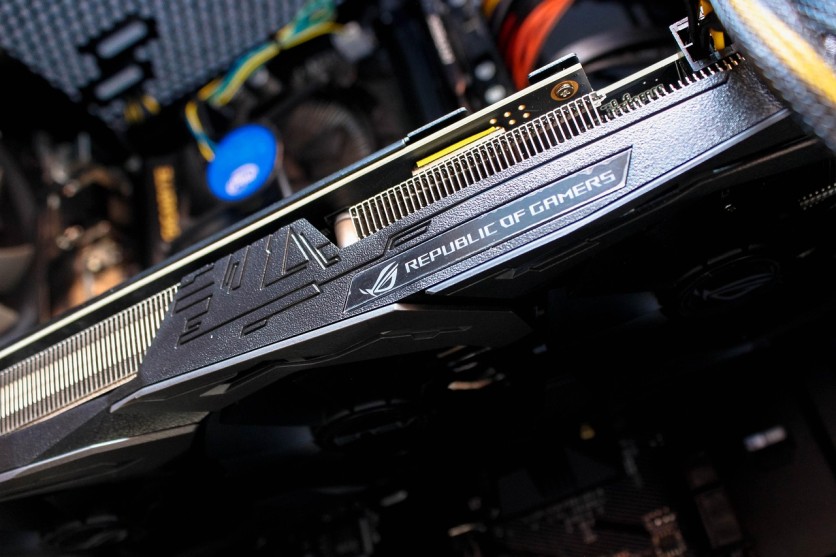
Graphics card pricing has started to look more predictable after years of sharp spikes and sudden drops, but stability in the graphics card market remains fragile and uneven across product tiers and regions. GPU pricing now reflects a mix of healthier supply, elevated baseline MSRPs, and ongoing pressures from new demand in gaming, AI, and content creation.
Why GPU Pricing Became So Volatile
Several overlapping forces drove the extreme swings in GPU pricing between 2020 and 2024. On the supply side, limited wafer capacity, factory shutdowns, and logistics bottlenecks constrained the number of GPUs that could reach retailers, even as demand surged.
At the same time, miners, gamers, and remote workers all competed for the same hardware, amplifying every shortage.
Crypto-mining created abrupt demand shocks as miners bought entire batches of mid-range and high-end cards to maximize profitability. This left everyday consumers facing scalpers, automated purchasing bots, and listings that were often double or triple MSRP.
Some enthusiasts began to question whether "fake scarcity" and aggressive pricing strategies had become a permanent feature of the graphics card market, rather than a temporary side effect of unique global conditions.
Is the Graphics Card Market Truly Stabilizing?
There are several clear signs that the graphics card market is more stable than it was at the height of the shortages. Availability is generally better, queues and lotteries have largely disappeared, and the gap between observed street prices and official MSRPs has narrowed for many GPUs.
Seasonal discounts and promotions have returned, allowing buyers to wait for sales instead of scrambling for any card at any price.
Yet stability remains fragile. Reports of upcoming price hikes tied to memory and component costs, as well as potential changes in tariffs, suggest that GPU pricing could trend upward again in certain segments.
AI and machine learning workloads are also adding a new layer of demand, especially for high-end and workstation-class cards, which may keep premium pricing intact even if gaming demand cools.
Fundamentally, "stable" in the current context means fewer wild swings, not a return to the bargain pricing that many PC builders remember from earlier generations. The baseline of PC hardware trends has shifted, with GPUs capturing a larger share of the total budget in many builds.
How GPU Prices Shape Broader PC Hardware Trends
GPU pricing plays an outsized role in how people plan and prioritize their PC builds. As graphics cards became more expensive, many users adjusted expectations and began targeting mid-range models as the sweet spot for performance and value.
For 1080p and 1440p gaming, a solid mid-tier GPU has often become the default choice, while ultra-high-end models are treated as luxury purchases rather than mainstream upgrades.
This shift influences other PC hardware trends as well. Some builders allocate a larger portion of their budget to the GPU and compromise slightly on CPUs, storage, or case aesthetics to stay within a reasonable total cost.
Read more: GPU Value Comparison 2026: Midrange vs Flagship GPUs and the True Cost of Gaming Performance
Others extend their upgrade cycles, holding onto existing graphics cards longer and focusing on incremental improvements such as faster SSDs or more RAM while waiting for a more favorable price window.
The used GPU market has also become more important. As newer generations launch at higher MSRPs, older cards filter down to secondhand platforms at prices that can still deliver good value to budget-conscious buyers.
This creates a layered ecosystem where new, previous-gen, and used cards coexist, giving consumers multiple pathways to upgrade in a market that no longer guarantees low launch prices.
Navigating GPU Pricing in the Evolving PC Hardware Landscape
The current phase of the graphics card market is defined less by crisis and more by a recalibrated baseline, where GPU pricing is steadier but structurally higher than in the past.
Buyers who understand how supply dynamics, new workloads, and vendor positioning shape prices are better equipped to decide when to upgrade, which tier to target, and how to balance a GPU purchase with the rest of a PC build.
Frequently Asked Questions
1. How do AI and machine learning workloads affect consumer GPU pricing?
AI and machine learning tasks rely heavily on GPU acceleration, which increases demand for high-performance graphics cards used in data centers and professional environments.
When manufacturers prioritize these lucrative segments, fewer chips may be allocated to consumer gaming cards, tightening supply and indirectly supporting higher prices in the consumer graphics card market.
2. Why do some previous-generation GPUs still hold their value?
Previous-generation GPUs can retain strong value when their real-world performance is close to newer models that launch at higher MSRPs. If a last-gen card delivers similar frame rates or productivity performance at a noticeably lower price, demand in the used and discount channels can keep its resale price surprisingly resilient.
3. How do tariffs and regional taxes influence GPU pricing differences between countries?
Tariffs, import duties, and sales taxes are layered on top of base distribution and retail costs, so two regions can see very different final prices for the same GPU model.
Even if a manufacturer sets a global MSRP, these local factors, combined with regional supply constraints and retailer strategies, can produce significant gaps in effective street pricing.
4. What role do bundled deals play in the perceived value of a graphics card?
Retailers and board partners sometimes bundle GPUs with games, software, or other components to make a high price feel more attractive without actually lowering the card's base cost. For buyers who already want the extras, this can improve overall value, but for others it may mainly serve to mask firm or rising GPU pricing in the background.
ⓒ 2026 TECHTIMES.com All rights reserved. Do not reproduce without permission.


