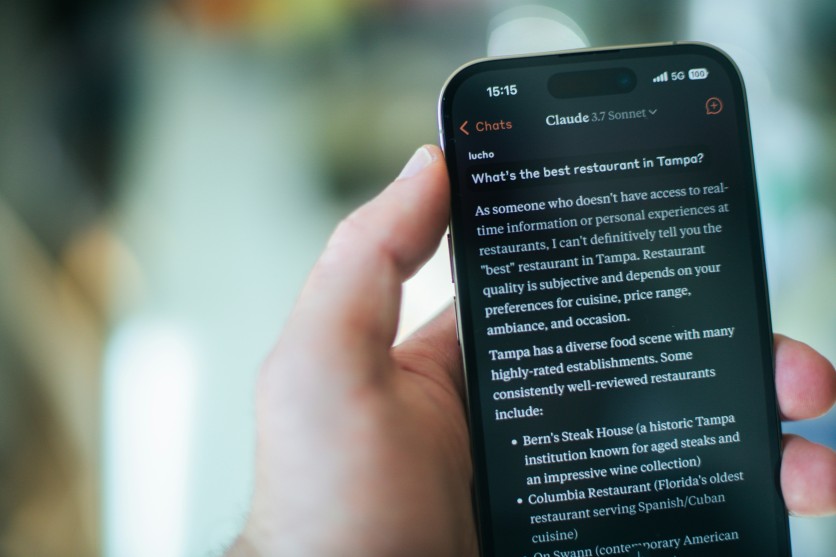
Claude vs ChatGPT has become one of the most discussed topics in the AI tools comparison space as users evaluate which AI chatbot performs better across different tasks. With advancements in context window limits, coding benchmarks, and creative writing quality, both platforms have evolved rapidly to meet growing user demands. These improvements are shaping how individuals and businesses rely on ChatGPT alternatives for productivity and decision-making.
AI chatbot adoption trends show a noticeable shift as users explore which tool offers better reasoning, fewer hallucinations, and more reliable outputs. While ChatGPT remains widely used due to familiarity and ecosystem integration, Claude is gaining attention for its extended context window and strong performance in complex tasks. This comparison highlights how both tools differ in capabilities and why switching preferences are changing in 2026.
Claude vs ChatGPT: Technical Capabilities and Context Window Limits
Claude vs ChatGPT reveals key differences in technical capabilities, especially in context window limits and processing depth. Claude is known for handling longer inputs, making it a strong choice for large documents and extended analysis. In contrast, ChatGPT focuses on versatility and integration with multiple tools and features.
Key technical differences:
- Context window limits: Claude supports up to 200K tokens, while ChatGPT typically supports up to 128K tokens
- Coding benchmarks: Claude shows slightly higher accuracy in coding tasks like HumanEval
- Reasoning depth: Claude often performs better in complex multi-step reasoning
- Hallucination rates: Claude produces fewer inaccurate responses in structured tasks
- Latency: ChatGPT may respond slightly faster in shorter prompts
AI tools comparison shows that Claude's extended context window allows it to retain more information, which is useful for long-form content and detailed analysis. Meanwhile, ChatGPT alternatives often focus on speed, accessibility, and integration with tools like image generation and plugins. This balance makes both AI chatbots strong, depending on the use case.
AI Tools Comparison: Coding Benchmarks and Creative Writing Quality
An AI tools comparison highlights how Claude vs ChatGPT perform differently across coding benchmarks and creative writing quality. Developers often compare the two tools based on accuracy, reliability, and the ability to handle complex programming tasks.
Performance breakdown by use case:
- Coding benchmarks: Claude delivers higher bug-free code outputs in structured programming tasks
- Debugging and logic: Claude excels in multi-step reasoning and error detection
- Creative writing quality: ChatGPT produces more engaging and stylistically rich content
- Data analysis: Claude performs well in handling structured data and technical queries
- Customer interaction: ChatGPT offers a more natural conversational flow
Creative writing quality is one area where ChatGPT continues to stand out, especially for storytelling, marketing content, and conversational tone. However, Claude is preferred for technical writing, legal analysis, and structured outputs where accuracy is critical. This difference explains why many users use both ChatGPT alternatives depending on their needs.
Read more: Apple Reportedly Working on Siri 'Extensions' on iOS 27 to Allow AI Apps to Connect to It
ChatGPT Alternatives: Why Users Are Switching in 2026
ChatGPT alternatives like Claude are gaining traction as users look for better performance in specific workflows. Claude vs ChatGPT comparisons show that Claude's extended reasoning and safety features attract developers, researchers, and enterprise users.
Reasons users are switching:
- Longer context handling: Better for research and document analysis
- Improved accuracy: Fewer hallucinations in structured tasks
- Enterprise adoption: Growing use in professional environments
- Reasoning depth: Stronger performance in complex problem-solving
- Safety focus: Reduced risk of harmful or incorrect outputs
AI chatbot switching trends also show that many users prefer tools based on their workflow rather than sticking to one platform. ChatGPT alternatives continue to grow in popularity as organizations seek specialized tools for coding, research, and analysis. Claude vs ChatGPT is no longer about which is better overall, but about which tool best fits a specific need.
AI Chatbot Comparison: Which Tool Fits Your Needs Best
Claude vs ChatGPT highlights that both AI chatbots offer unique strengths depending on how they are used. An AI tools comparison shows that Claude excels at long-context reasoning and technical accuracy, while ChatGPT remains strong in creative tasks and overall usability.
Best use cases:
- Claude: Long documents, coding, legal analysis, and research-heavy tasks
- ChatGPT: Creative writing, brainstorming, conversation, and multimedia integration
- Hybrid use: Combining both tools for balanced productivity
Context window limits, coding benchmarks, and creative writing quality all contribute to determining which AI chatbot performs better for a specific task. Many professionals now use multiple ChatGPT alternatives to maximize efficiency and output quality. This approach allows users to leverage each tool's strengths without relying on a single platform.
Choosing Between Claude vs ChatGPT: Smarter AI Use in 2026
Claude vs ChatGPT continues to shape how users interact with AI tools in 2026, with each platform offering distinct advantages. Claude stands out for its extended context window and strong reasoning capabilities, while ChatGPT remains a leader in accessibility and creative output. The AI tools comparison shows that both tools are highly capable, but their effectiveness depends on the task and user preference.
AI chatbot adoption is increasingly based on workflow needs rather than popularity alone. Users are now more selective, choosing ChatGPT alternatives like Claude for technical tasks and switching back to ChatGPT for creative or conversational work. As AI continues to evolve, understanding these differences helps users make better decisions and improve productivity across different applications.
Frequently Asked Questions
1. What is the main difference between Claude vs ChatGPT?
Claude vs ChatGPT differs mainly in context window limits and reasoning style. Claude can process larger amounts of text, making it better for long documents and deep analysis. ChatGPT is known for its versatility and creative capabilities. Both are powerful AI chatbots, but they excel in different areas.
2. Which AI chatbot has better coding benchmarks?
Claude generally performs slightly better in coding benchmarks, especially in structured programming tasks. It shows higher accuracy in generating bug-free code and handling complex logic. ChatGPT is still strong but may require more refinement in certain cases. Developers often compare both to choose the best fit for their workflow.
3. How do context window limits affect AI performance?
Context window limits determine how much information an AI chatbot can process at once. Claude's larger context window allows it to analyze longer documents and maintain better context. ChatGPT's smaller window may limit its ability to handle very large inputs. This makes Claude more suitable for long-form analysis.
4. Why are users switching to ChatGPT alternatives?
Users are switching to ChatGPT alternatives due to improvements in accuracy, reasoning, and safety. Claude offers strong performance in complex tasks and reduces hallucinations. Different tools now serve different purposes depending on user needs. This shift is driven by the desire for more specialized and reliable AI tools.
ⓒ 2026 TECHTIMES.com All rights reserved. Do not reproduce without permission.


