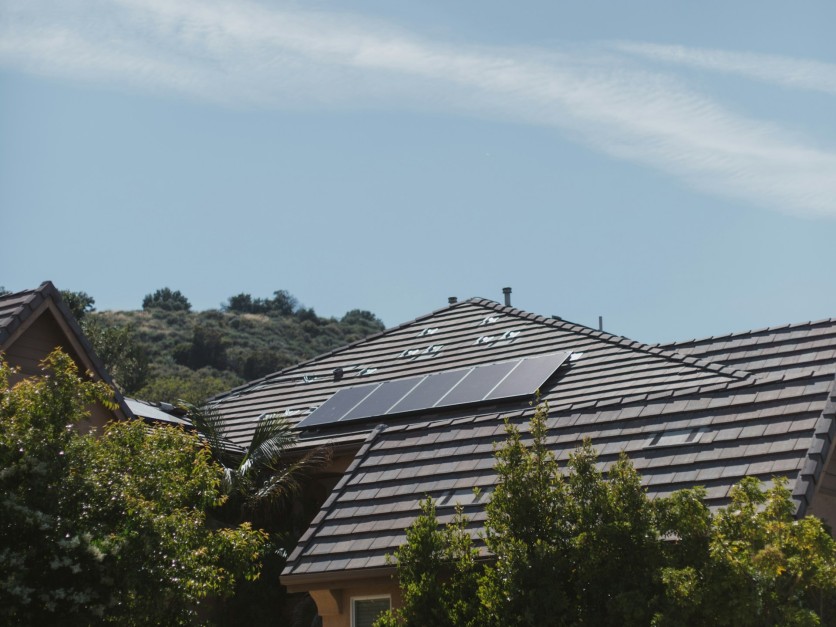
Switching to solar is a major investment that can benefit homeowners by lowering energy bills, increasing property value, and enhancing energy independence. Before making this transition, it's important to know the steps involved, from assessing your property's suitability and customizing the right system to navigating the permitting process and financial incentives. Homeowners who prepare and choose reputable installers often experience smoother installations and long-term satisfaction with their solar systems.
As Northern PWR knows all too well, solar energy isn't just about the technology; it's also about making the right decisions, setting realistic expectations, and maintaining open communication throughout the process. By staying proactive at each stage, households can maximize the benefits of solar while avoiding common pitfalls such as project delays.
Assessing Home Readiness for Solar
Before moving forward with solar, a thorough site assessment is crucial. Surveyors typically check the roof's age and material, making sure it's sturdy enough to support panels for decades. Details such as the roof's angle and the amount of sunlight it receives throughout the day are important factors that influence panel performance. Sometimes, roof layout may limit the number of panels that can be installed, requiring creative system designs to maximize energy capture.
A home with minimal shading from trees or tall buildings nearby will likely be more suitable for solar, leading to better energy production. Some households in older neighborhoods have roofs that need repairs or upgrades before installation, which can affect project timing and overall costs. In some regions, local climate conditions also play a role in determining whether solar is a practical choice.
Customizing a Solar Solution
Every home has unique energy needs, so solar providers design systems tailored to each property. Factors such as household energy usage and local climate all play a role in shaping the final design. It's common for installers to use digital modeling tools to map out the ideal panel layout, ensuring the system fits the roof and the homeowner's goals.
A personalized plan also helps with compliance, as cities and utility companies often have specific rules about solar setup. Some homeowners request battery storage or higher-capacity systems to prepare for potential grid outages, further customizing their solar investment. This level of customization can also affect the overall project timeline, depending on the system's complexity and the inclusion of additional features.
Navigating Permits and Approvals
Getting the right permits is a vital step before installation can begin. Most municipalities require detailed documentation to confirm that the design meets safety codes and zoning requirements. This process can vary by region, with some areas moving quickly while others may take several weeks to approve.
Delays sometimes occur if additional inspections or paperwork are required, especially in neighborhoods with strict homeowner association rules. Staying proactive and working with experienced installers can help smooth out potential roadblocks, keeping the project on track. Good communication with the local jurisdiction and the utility provider often proves invaluable for expediting this phase.
The Installation Timeline
Once permits are secured, installation usually moves swiftly. Most residential projects are completed within a few days, although weather and supply schedules can sometimes delay completion. Homeowners may notice workers arriving early in the morning, efficiently coordinating tasks like panel mounting and electrical connections. Occasionally, unexpected challenges such as hidden roof damage can arise, requiring quick adjustments to the schedule.
During installation, there's minimal disruption to daily routines. Some families continue their normal activities while crews work on the roof, with only brief power interruptions as the system is connected to the home's electrical panel. Installers often perform a final walkthrough with the homeowner, explaining system functions and safety protocols before wrapping up.
Potential Costs and Savings
The financial appeal of solar extends beyond just lowering electricity bills. Costs can be offset by different incentives, reducing the initial investment required. Many homeowners discover that with carbon and solar club credits, solar becomes much more accessible. Solar loans are available in many regions, helping families manage the upfront costs without a large payment.
Long-term savings often become clear within the first year of operation, as utility bills drop and predictable monthly payments replace fluctuating energy costs. Over time, the system's payback period is reached, and energy generated by the sun begins to contribute to considerable household savings.
Maintaining Clarity and Trust in Solar Projects
Choosing an installer with strong local reviews and transparent contracts can make a major difference in the overall experience. Many reputable companies offer detailed warranties and easy-to-understand terms, giving homeowners peace of mind throughout the system's life. It's wise to ask about service response times and what ongoing support is available after installation.
Ongoing monitoring ensures the solar panels continue to perform well, with modern setups often including apps or online dashboards. If maintenance is needed, reputable providers respond quickly, ensuring the system stays efficient for years to come.
ⓒ 2026 TECHTIMES.com All rights reserved. Do not reproduce without permission.


