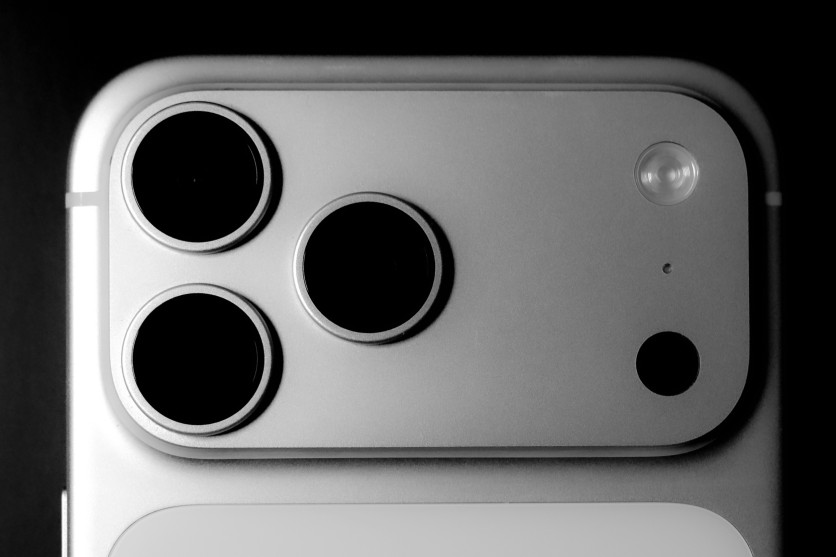
The iPhone 18 Pro Max is shaping up to be a refinement-driven flagship, but the most talked-about change is the camera upgrade that could reshape expectations for mobile photography.
The new system is expected to introduce improved camera features, including a 48MP fusion sensor and advanced optical control that may redefine everyday shooting. These changes place strong emphasis on real-world usability rather than dramatic redesigns.
At its core, the device continues Apple's familiar design direction, but the camera system appears to be the standout evolution. The iPhone 18 Pro Max camera improvements are expected to enhance low-light performance, portrait depth, zoom consistency, and selfie clarity.
With upgrades like a variable aperture system and a higher-resolution front camera, the phone is being positioned as a serious tool for creators and casual users who rely heavily on mobile photography for daily content.
Key iPhone 18 Pro Max Camera Upgrades
The iPhone 18 Pro Max is shaping up to be one of Apple's most camera-focused upgrades in recent years. Most of the attention is centered on the rumored changes to its rear and front camera systems. These improvements aim to enhance everyday photography, from casual shots to more advanced mobile content creation.
Key iPhone 18 Pro Max Camera Upgrades
- 48MP fusion main sensor with variable aperture: The iPhone 18 Pro Max camera upgrade is expected to feature a 48MP main sensor paired with a mechanical variable aperture. This allows more control over light intake and depth of field for more natural-looking photos.
- Improved lighting and depth control: The variable aperture system can shift between different settings depending on the scene. This helps improve portraits, low-light shots, and overall image clarity in different environments.
- Triple 48MP rear camera system: One of the key iPhone 18 Pro Max camera features is a unified triple 48MP setup across main, ultrawide, and telephoto lenses. This ensures more consistent detail and color accuracy across all shooting modes.
- Stronger telephoto performance: The telephoto lens is expected to gain a wider aperture for better zoom results. This improves long-range clarity and enhances low-light performance for travel and night photography.
- 24MP front camera upgrade: A higher-resolution selfie camera is also rumored, boosting sharpness and detail for portraits and video calls. It is designed to improve everyday front-camera use.
- Enhanced AI image processing: With improved on-device AI, the system may refine skin tones, lighting balance, and subject detection. This helps produce more polished and natural-looking results in mobile photography.
Why The New Camera Setup Matters
The iPhone 18 Pro Max camera upgrade is important because it focuses on flexibility instead of relying only on higher megapixel counts. A variable aperture system allows more control over exposure, which can improve portraits and everyday shots without heavy editing.
The shift toward a more balanced triple-camera system also suggests that the camera features are designed for consistency. Instead of one dominant lens, each camera is expected to perform at a similar level, improving transitions between wide, ultrawide, and zoom photography.
The upgraded 24MP front camera may also play a bigger role than expected. It improves selfies, video calls, and vlogging quality, making the iPhone 18 Pro Max camera improvements more relevant for social media creators and everyday users who rely heavily on front-facing shots.
How It Fits Apple's Flagship Direction
The Apple approach with the iPhone 18 Pro Max appears focused on refinement rather than redesign. The iPhone 18 Pro Max camera upgrade is supported by improved efficiency, stronger processing, and better battery performance, helping sustain longer shooting sessions.
Hardware improvements like a rumored in-house modem and larger battery indirectly support the camera features, especially for video recording and AI-based enhancements. This allows smoother performance when handling heavy photography workloads.
Even design refinements such as a smaller Dynamic Island and cleaner display layout contribute to a more immersive photography experience. These subtle changes help the iPhone 18 Pro Max camera improvements feel integrated into the overall device experience.
A Camera-Focused Flagship Worth Watching
The rumored iPhone 18 Pro Max camera upgrade signals a shift toward practical improvements rather than dramatic reinvention. With a 48MP fusion sensor, variable aperture, upgraded telephoto lens, and a 24MP selfie camera, the iPhone 18 Pro Max camera features could significantly enhance everyday shooting across all conditions.
The overall direction suggests that the device may become one of Apple's most balanced photography-focused flagships yet. For users invested in mobile photography, the iPhone 18 Pro Max camera improvements may offer one of the most meaningful upgrades in recent years while keeping the familiar iPhone identity intact.
Frequently Asked Questions
1. What is the biggest iPhone 18 Pro Max camera upgrade?
The biggest rumored upgrade is the 48MP fusion main sensor combined with a variable aperture system. This allows better control over light and depth of field. It helps improve both portrait and low-light photography. It is expected to be the main highlight of the camera system.
2. How does the variable aperture improve mobile photography?
A variable aperture adjusts how much light enters the camera lens. This improves image quality in different lighting conditions. It also allows more natural background blur in portraits. Overall, it gives users more flexibility when shooting.
3. Will the iPhone 18 Pro Max have better selfie quality?
Yes, the device is expected to feature a 24MP front camera. This should improve sharpness and detail in selfies. It also enhances video call clarity and low-light performance. Content creators will likely notice a big difference.
4. Is the iPhone 18 Pro Max good for content creators?
The improved camera system makes it more appealing for creators. It offers consistent quality across all lenses and better AI processing. Video and photo performance should be more stable in different environments. This makes it useful for both casual and professional content creation.
ⓒ 2026 TECHTIMES.com All rights reserved. Do not reproduce without permission.


