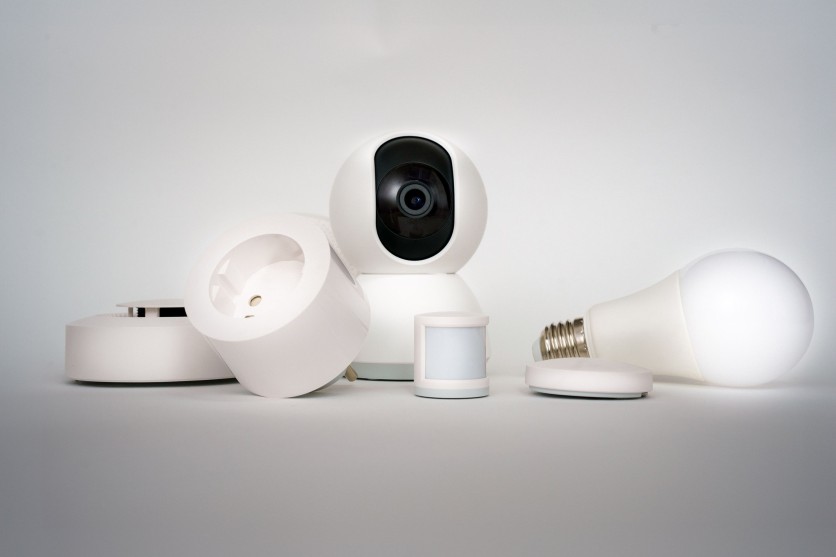
Smart home gadgets are becoming one of the easiest ways for beginners to create a more connected and convenient living space without needing advanced technical knowledge. Many smart home devices now focus on simple installation, voice control, and easy automation, making a first smart home setup more approachable than ever.
For users interested in smart home automation, entry-level products often provide immediate benefits such as lighting control, security monitoring, and remote access from a phone or smart speaker.
A beginner-friendly smart home does not require a complete transformation all at once. Instead, the best smart home gadgets for beginners are usually affordable devices that solve one practical problem at a time.
Whether the goal is easier lighting, added security, or hands-free voice commands, starting with compatible smart home devices makes expansion easier and more reliable over time.
Best Smart Home Gadgets For Beginners
Smart home gadgets for beginners are designed to make connected living simple, practical, and easy to manage from the start. The best entry-level smart home devices usually focus on convenience, voice control, lighting, and basic security without requiring complicated installation. Starting with a few reliable products allows users to build a smart home setup gradually while learning how smart home automation works in everyday life.
- Smart speaker or smart display: A smart speaker is often the best starting point because it provides voice control, reminders, music playback, and smart home management in one device. It also works as a central hub for connecting other smart home devices in a simple smart home setup.
- Smart plugs: Smart plugs turn ordinary lamps and appliances into connected devices without requiring rewiring. They are among the most practical smart home gadgets for beginners because they are affordable and easy to install.
- Smart bulbs: A smart bulb allows users to control lighting brightness, schedules, and color settings through an app or voice command. This is one of the simplest ways to experience smart home automation in daily life.
- Smart camera: A smart camera adds basic home monitoring and security awareness for beginners. Many models support motion alerts, cloud recording, and remote viewing directly from a smartphone.
- Smart video doorbell: This device allows users to see visitors and receive notifications when someone is at the door. It improves convenience and security without requiring a complicated installation process.
- Smart thermostat: Smart thermostats help manage indoor temperature automatically while improving energy efficiency. They are useful for households looking for both comfort and long-term utility savings.
- Smart sensors: Door, motion, and leak sensors expand a connected home by providing automation triggers and alerts. These devices help beginners build a more responsive smart home gradually.
- Smart lock: A smart lock allows remote locking, unlocking, and access control through a connected app. It is a useful next step for users who already have a stable smart home ecosystem in place.
Read more: Top Solar Panels for Homes in 2026: Which is the Best for High-Efficiency, Price, and Performance
What Beginners Should Look For First
The best smart home gadgets for beginners are usually the ones that are easy to install and simple to understand. Most first-time users want immediate convenience rather than a complicated setup process. Devices that work through a single app and support voice assistants are often the easiest starting point for a connected home.
Compatibility is also more important than buying everything at once. A beginner-friendly smart home setup works best when devices support the same ecosystem, such as Alexa or Google Assistant. Starting with compatible smart home devices makes future expansion smoother and reduces setup frustration.
Practical everyday use should guide early purchases. Someone focused on lighting convenience may benefit most from a smart bulb or smart plug, while security-focused users may prefer a smart camera or doorbell. The most useful smart home automation products are the ones that solve clear daily problems without adding unnecessary complexity.
How To Build A Simple Starter Setup
A beginner smart home setup works best when it starts small and expands gradually over time. Adding smart home devices step by step makes smart home automation easier to understand, manage, and maintain without feeling overwhelming.
- Start with one central smart home device: A smart speaker or smart display is often the best foundation for a connected home. It provides voice control and acts as a hub for managing other smart home gadgets.
- Add simple smart home gadgets first: Smart plugs and smart bulbs are easy to install and provide immediate convenience through automation and voice commands. These devices help beginners experience practical smart home automation without complicated setup.
- Expand with security-focused smart home devices: After basic lighting and appliance control, users can add a smart camera or sensors for extra monitoring and awareness. These devices improve security while making the smart home setup feel more complete.
- Avoid adding too many ecosystems at once: Using too many different brands and platforms early on can create compatibility issues and confusion. Beginners usually have a smoother experience when devices work within the same ecosystem.
- Expand gradually based on everyday needs: The best smart home setups grow naturally by solving real daily problems over time. This gradual approach helps users build confidence while keeping the system reliable and easy to use.
A Simple Start Makes Smart Living Easier
The best smart home gadgets for beginners are usually the ones that feel useful immediately without creating unnecessary setup challenges. Smart speakers, smart plugs, smart bulbs, and smart cameras provide some of the easiest entry points into smart home automation because they combine convenience, affordability, and practical everyday use.
As more compatible smart home devices are added gradually, a connected home becomes easier to manage, more personalized, and more rewarding for long-term daily living.
Frequently Asked Questions
1. What is the best first smart home device for beginners?
A smart speaker is often considered the best starting device for beginners. It provides voice control, reminders, music playback, and smart home management in one system. It also connects easily with other smart home gadgets. This makes future expansion much simpler.
2. Are smart home gadgets difficult to install?
Most entry-level smart home devices are designed for simple installation. Many products only require plugging into power and connecting through a mobile app. Smart plugs and smart bulbs are especially beginner-friendly. More advanced devices like thermostats may require additional setup.
3. Do smart home devices work without the internet?
Some smart home devices can perform limited functions offline, but most features rely on internet access. Voice assistants, remote controls, and cloud-based automation usually require a connection. Local automation may still work on certain systems. Performance depends on the device ecosystem being used.
4. Which smart home ecosystem is best for beginners?
Alexa and Google Assistant are among the easiest ecosystems for beginners to use. Both support a wide range of smart home gadgets and simple voice controls. The best option depends on personal preference and device compatibility. Choosing one ecosystem early helps avoid setup issues later.
ⓒ 2026 TECHTIMES.com All rights reserved. Do not reproduce without permission.


