Home and yard robots are finally moving from sci‑fi to shopping cart, and 2026 buyers now have to decide which home robots, yard robots, and smart appliances are actually worth real money rather than just hype.
From modular yard systems like the VinaBot robot to smart ice makers that quietly automate everyday comfort, the market has never been more crowded, or more confusing. This list focuses on mainstream categories and named products that deliver clear value, not just flashy demos.
1. VinaBot Robot Yard System: Advanced Yard Robots for Difficult Terrain
VinaBot develops legged and mobile robots focused on real‑world navigation, using dynamic load and trajectory analysis to keep machines stable over uneven terrain.
While its commercial portfolio spans industrial and research systems, the same core technologies underpin emerging yard robots aimed at handling slopes, varied surfaces, and complex paths that defeat simpler wheeled mowers.
For homeowners with large, uneven, or highly landscaped yards, a VinaBot‑style robot yard system can, in theory, cover ground that conventional perimeter‑wire mowers struggle with.
The trade‑off is higher upfront cost, more complex setup, and a stronger need for clear boundaries and good connectivity, which means these yard robots are best suited to tech‑savvy owners who see their yard as a long‑term project.
2. LG CLOiD Home Robot: Embodied AI for Smart Appliances
LG's CLOiD home robot is positioned as a central embodied AI assistant that can move around the house, recognize rooms, and cooperate with compatible LG ThinQ smart appliances. It is designed to help manage tasks such as laundry, cooking preparation, and basic home monitoring, tying several devices into one coordinated system.
In practice, CLOiD currently works best in homes that already rely heavily on LG appliances and are arranged in a relatively structured way. For many households, it remains an early‑adopter product, impressive as a demonstration of what home robots can become, but less cost‑effective than targeted devices that focus on a single job.
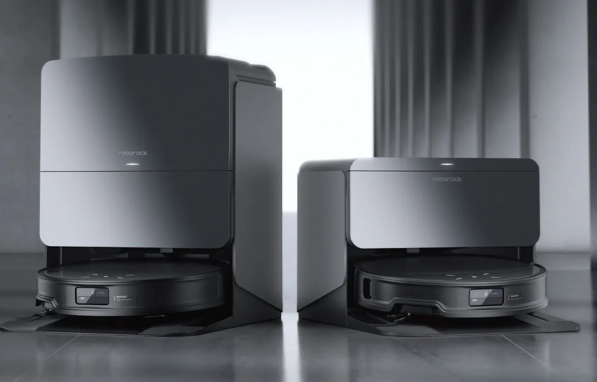
3. Roborock Rover‑Style Vacuum and Mop: Cleaning Bots That Actually Help
Among cleaning‑focused home robots, advanced Roborock Rover‑style vacuums and mop combos illustrate how far the category has come. These robot vacuums offer improved obstacle avoidance, stronger suction, and self‑emptying or self‑washing docks that reduce maintenance time for owners.
Because they perform one core task very well, keeping floors clean with minimal human intervention, these cleaning bots often deliver some of the clearest day‑to‑day benefits.
For many households, a capable robot vacuum or vacuum‑mop hybrid remains the most sensible first step into home robots, delivering visible results without requiring a full smart‑home overhaul.
4. Beatbot AquaSense X Pool Robot: Specialized Home Robots for Tough Jobs
The Beatbot AquaSense X pool‑cleaning robot represents a different slice of the home robots market: single‑purpose machines that take over demanding or unpleasant chores. It is designed to scrub, vacuum, and filter pool water on a schedule, reducing the manual effort and time typically required for pool maintenance.
Owners of large or frequently used pools may find that a pool robot pays off quickly in saved labor and more consistent water quality. For households without a pool, of course, this type of home robot offers no value at all, illustrating how important it is to match a robot to a specific, recurring problem.
5. Yarbo M‑Series Modular Yard Robot: Multi‑Season Yard Robots
The Yarbo M‑Series modular yard robot is built around a central drive unit that can accept attachments for mowing, snow removal, and leaf blowing, essentially acting as several yard robots in one. Its navigation uses sensors and mapping to cover typical residential yards without perimeter wires.
This kind of modular yard robot is especially attractive in regions with harsh winters or heavy seasonal yard work, where one device can stay useful year‑round.
However, it remains a premium purchase and requires a fairly clean, well‑mapped outdoor environment, so it makes the most sense for larger properties with demanding yard‑care routines.
6. GoveeLife Smart Nugget Ice Maker Pro: Smart Appliances That Quietly Pay Off
On the smart appliances side, the GoveeLife Smart Nugget Ice Maker Pro shows how a focused device can offer everyday comfort without the complexity of a full home robot. It can produce a steady supply of nugget ice, monitor performance, and integrate with an app for status checks and alerts.
Smart ice makers like this one tend to be easier to live with than more experimental robots: they occupy a fixed spot in the kitchen, solve a clear problem, and require minimal interaction once set up.
For many households, starting with smart appliances such as a smart ice maker, connected dishwasher, or smart oven is a practical way to experience automation benefits before committing to more ambitious home robots or yard robots.
Are Home Robots, Yard Robots, and Smart Appliances Worth It in 2026?
Across these six examples, the VinaBot robot yard system, LG CLOiD, Roborock's Rover‑style vacuum and mop, Beatbot AquaSense X, Yarbo M‑Series, and the GoveeLife Smart Nugget Ice Maker Pro, the pattern is consistent: the best value comes from devices that tackle a clearly defined task and fit the home's layout and routines.
Whole‑home assistants and advanced legged yard robots showcase the future, but their cost and complexity mean they are still best suited to enthusiasts and specialized properties.
For most households in 2026, it makes sense to start with targeted home robots, yard robots, or smart appliances that relieve a specific pain point, whether that is daily vacuuming, challenging yard work, or the simple convenience of having smart ice makers ready for every drink.
By choosing devices that match real‑world needs instead of futuristic promises, buyers are far more likely to find that home robots, yard robots, and smart appliances are genuinely worth the investment.
Frequently Asked Questions
1. How often should home robots and yard robots be serviced?
Most home robots and yard robots benefit from light weekly maintenance (emptying bins, cleaning brushes) and a deeper service or parts check every 6–12 months, depending on usage and environment.
2. Can smart appliances and home robots work without an internet connection?
Many can perform basic functions offline, but advanced features such as app control, voice integration, usage reports, and firmware updates usually require a stable internet connection.
3. Do smart ice makers use significantly more energy than regular freezers with ice trays?
They typically consume more energy than manual trays because they actively produce and cycle ice, but efficient models aim to offset this with better insulation and smarter usage patterns.
4. What home layout changes help robots work better?
Keeping floors decluttered, reducing loose cables, defining clear zones, and ensuring good Wi‑Fi coverage make it easier for home robots and yard robots to navigate and complete their tasks reliably.
ⓒ 2026 TECHTIMES.com All rights reserved. Do not reproduce without permission.


