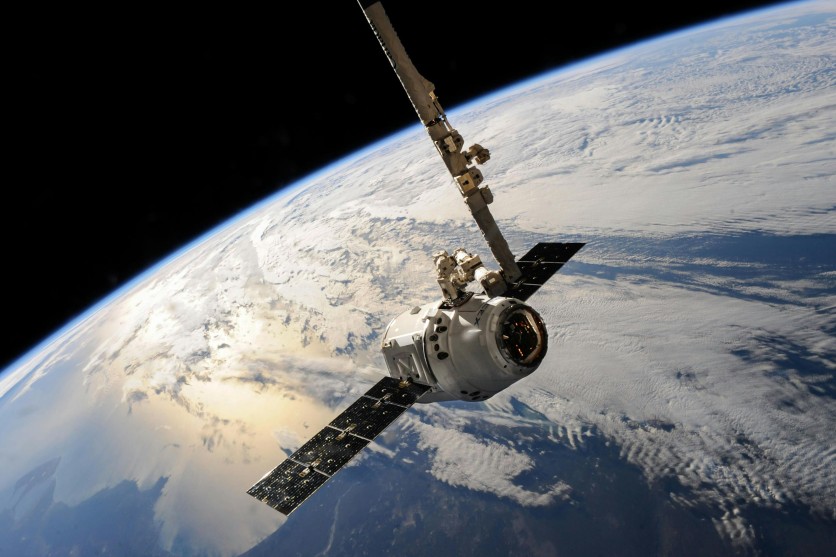
Interplanetary travel has long been one of the most ambitious goals in space exploration, and whether humanity achieves it this century depends on advances in technology, safety systems, cost reduction, and human adaptability.
In discussions about future space travel, the idea of moving between planets is no longer purely science fiction, especially as Mars missions and Moon bases are actively being planned. These early steps suggest that interplanetary travel could move closer to reality over time.
The question is not just whether humans can reach other planets, but whether they can do so safely, repeatedly, and with enough efficiency to make deep space travel practical.
Space agencies and private companies are already working on technologies that support long-duration human spaceflight, including propulsion systems and life support.
For readers following space exploration, the century ahead represents a period where early breakthroughs may reshape what humanity considers possible beyond Earth.
What Interplanetary Travel Would Actually Require
Interplanetary travel would require advanced propulsion systems capable of reducing travel time between planets while improving mission safety and efficiency. Future space travel also depends on reliable life support systems that can provide oxygen, water, food recycling, and radiation protection for astronauts on long missions far from Earth.
Safe landing and return systems are also essential for successful space exploration, along with space habitats such as orbital stations or lunar bases that support extended human spaceflight. Medical systems must also handle radiation exposure, muscle loss, and psychological stress during deep space travel.
Communication networks, sustainable fuel systems, and reusable logistics will support coordination and reduce costs in interplanetary travel. Missions will also need scientific or settlement value to justify long-term investment in future space travel and sustained exploration efforts.
Why This Century Could Be Different for Space Travel
This century could be different for space travel because more government space programs and private companies are actively preparing for missions beyond Earth orbit. Investments in rockets, landers, and habitats show that interplanetary travel is becoming a long-term goal rather than a distant idea.
Reusable launch systems are also reshaping future space travel by lowering the cost of reaching orbit. This makes it easier to build infrastructure, test cargo systems, and support early deep space missions that were previously too expensive to attempt.
Robotic missions continue to support space exploration by gathering data from Mars, the Moon, and other bodies. These unmanned missions help scientists understand surfaces, radiation, and landing conditions, reducing risks for future human spaceflight.
What Could Still Delay Interplanetary Travel
Interplanetary travel continues to move forward, but several major barriers still stand in the way of making it routine. These challenges come from human limits, technical constraints, and long-term financial needs. Together, they shape how fast future space travel can realistically develop.
- Human health limits: Deep space travel exposes astronauts to radiation, isolation, and long mission durations that strain physical and mental health. These risks make regular travel between planets extremely difficult.
- Engineering challenges: Spacecraft must be able to support life, land safely, and return from distant worlds. Building systems that can reliably handle all stages of interplanetary travel remains a major technical hurdle.
- Funding and political support: Large missions require decades of stable investment. Changes in government priorities or budgets can delay or cancel long-term interplanetary travel plans.
- Living conditions beyond Earth: Reaching another planet is only part of the challenge, as sustaining life there requires habitats, resources, and infrastructure. Without these systems, long-term space exploration cannot succeed.
The Century May Bring The First Real Steps, Not Full Normalization
Humanity is likely to achieve the first meaningful milestones in interplanetary travel this century through crewed missions, improved propulsion systems, and expanded space exploration infrastructure.
These developments could include Mars missions, Moon bases, and early deep space travel demonstrations that push beyond Earth's orbit. However, full routine travel between planets may still remain limited.
Future space travel will likely begin with rare and highly planned missions rather than frequent trips. Health risks, cost barriers, and technical limitations will continue shaping how often humans travel beyond Earth. For readers following interplanetary travel, this century may mark the beginning of a new era without fully turning it into everyday transportation.
Frequently Asked Questions
1. What is interplanetary travel in space exploration?
Interplanetary travel refers to human or robotic movement between planets within a solar system. It involves long-distance missions that go beyond Earth orbit. This type of space exploration requires advanced propulsion and life support systems. It is one of the main goals of future space travel.
2. Why is interplanetary travel so difficult?
Interplanetary travel is difficult due to radiation exposure, long travel times, and limited life support capabilities. Human spaceflight must also deal with psychological stress and isolation. These challenges increase as missions move farther from Earth. Current technology is still developing to address these issues.
3. Could humans live on Mars in the future?
Mars missions are being studied as a long-term goal in space exploration. Living on Mars would require habitats, food production systems, and radiation protection. It is possible in theory but still highly complex. Most experts see it as a gradual process rather than an immediate step.
4. What will help make future space travel possible?
Advances in propulsion systems, reusable rockets, and space habitats will support future space travel. Robotic missions also provide important data for planning human missions. Increased funding and international cooperation are also essential. These combined efforts will shape the future of interplanetary travel.
ⓒ 2026 TECHTIMES.com All rights reserved. Do not reproduce without permission.


