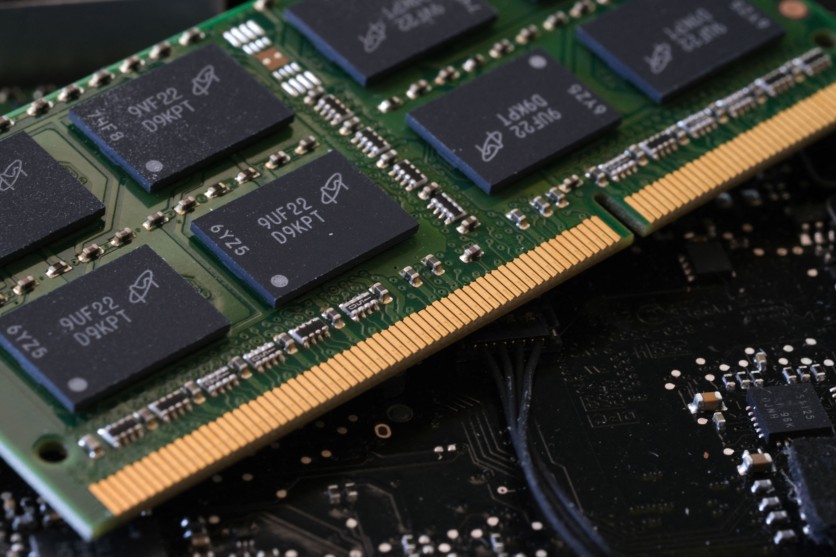
On June 3, Tom's Hardware reported that the cheapest 32GB DDR5 kit available in the United States had climbed to $374.97, with no comparable option selling for less, a detail captured in its daily RAM price tracker. A year earlier, the same capacity routinely sold for $80 to $120. For anyone planning a PC build, a laptop upgrade, or a new phone this year, that single number reframes a basic question: buy memory now, or wait for prices to fall?
The answer from nearly every major analyst is uncomfortable. Prices are far more likely to climb than to drop through the rest of 2026, and the research firms that track Samsung, SK Hynix, and Micron do not expect meaningful relief before late 2027. This is not a passing spike. It is a structural repricing of memory driven by artificial intelligence, and it changes how every buyer should approach a purchase right now.
The stakes are concrete because memory has become the most volatile line item in a modern system. A budget that assumed memory costs from 18 months ago will be wrong by hundreds of dollars, and the volatility now reaches phones, handheld consoles, and graphics cards that all draw from the same supply.
DDR5 32GB Kits Climbed From $80 to $375 in One Year
The price history is stark. A 32GB DDR5 kit that sold for double digits in mid-2025 now carries a floor near $375, and RGB or high-frequency kits run higher. DDR4, the older standard, has not escaped either, because manufacturers are phasing it out rather than keeping it as a cheap fallback.
Device makers are absorbing the same shock. Framework raised DDR5 upgrade prices by 50% on its DIY laptops and warned of further increases, while Micron retired its consumer-facing Crucial brand in February 2026 to concentrate on enterprise AI customers. The squeeze has also drawn fraud: Tom's Hardware has documented counterfeit DDR5 modulesbuilt from empty plastic chips relabeled to pass as legitimate, a risk that rises whenever scarce components command premium prices.
AI's Hunger for HBM Starves PCs of Standard Memory
The mechanism behind the shortage is a deliberate manufacturing tradeoff. AI accelerators rely on High Bandwidth Memory, which stacks eight to twelve DRAM dies vertically, links them with thousands of microscopic copper through-silicon vias, and mounts the stack on an interposer beside the compute logic. That construction delivers enormous bandwidth, but it is brutally inefficient in wafer terms: each gigabyte of HBM consumes roughly three times the wafer capacity of standard DDR5, reflecting yield loss from stacking and the smaller, lower-binned dies used inside.
Because the same three suppliers can swing their fabs between HBM and commodity memory, every wafer redirected toward AI is a wafer taken away from PC and phone DRAM. TrendForce estimates that AI workloads will absorb about 20% of global DRAM wafer capacity in 2026, with one gigabyte of HBM equating to four gigabytes of standard DRAM in wafer area. The result is a market where commodity DDR5 is structurally undersupplied even as total memory revenue soars.
This is why the current crunch breaks the usual memory cycle. Past shortages eased when new fabs added bits; this one reflects a choice to prioritize a higher-margin product that does not scale linearly. When Samsung began HBM4 mass production in early 2026, it pulled wafer starts away from commodity DDR5 lines, tightening consumer supply at the exact moment PC and server makers were trying to secure stock.
👉 Read more:
DDR5 RAM Hits $375 Floor for PC Builders: HBM Takes Three Times More Wafers
Gartner Forecasts 130% Price Surge, Warns Sub-$500 PCs Vanish by 2028
The analyst consensus quantifies the damage. Gartner estimates a 130% surge in combined DRAM and SSD prices by the end of 2026, which it expects to lift average PC prices by 17% and push global PC shipments down 10.4%, the steepest contraction in over a decade. The firm also projects that the sub-$500 entry-level PC will effectively disappear by 2028 as memory eats into razor-thin margins.
The pressure is already visible in manufacturer financials. HP disclosed on a recent earnings call that memory now accounts for 35% of its PC bill of materials, up from 15% to 18% a single quarter earlier. When a third of a laptop's component cost is memory, vendors have little choice but to raise prices or strip capacity, and buyers pay either way.
When Will RAM Prices Drop? Analysts Point to Late 2027 at Earliest
The most-cited horizon for relief is grim. Memory makers and analysts broadly place the earliest meaningful correction in late 2027, with some estimates stretching toward 2028. Micron's own marketing executive cautioned that the company's new Idaho fab will not deliver meaningful output until 2028, and one prominent analyst recently warned the timeline could slip further as AI investment outpaces DRAM capacity growth.
There is one genuine wrinkle. Prices are so high that demand is cracking, and TechRadar has noted that buyers appear to be pushing back as weekly increases stall. Retail floors that were stripped bare in late 2025 have started filling with unsold kits as shoppers balk. That softening is real, but it reflects demand destruction rather than new supply, and analysts caution it is not the same as a return to 2025 pricing.
Three Chipmakers Pleaded Guilty to Price-Fixing Before, No Suit This Cycle
The accountability question hangs over the whole episode. Samsung, SK Hynix, and Micron together control the vast majority of the DRAM market, and all three pleaded guilty in the 2000s to an international price-fixing conspiracy that drew more than $646 million in U.S. Justice Department fines. Prices are once again surging, yet legal analysts note that no federal antitrust suit has been filed since the current shortage began.
The distinction matters for buyers weighing whether today's prices reflect genuine scarcity or coordinated restraint. The documented cause this time is AI-driven wafer reallocation, and a 2022 appeals court ruling dismissed earlier supply-restriction claims for lack of plausibility. But with three companies holding roughly 95% of the market and inventories depleted, the concentration that enabled past collusion remains a structural feature of the market consumers depend on.
Buy Now If You Need Memory, Wait Only to Add Headroom
For a working machine that needs memory or storage today, the guidance is to buy. The dominant analyst view is that prices will rise before they fall, and waiting for a return to 2025 lows is a bet against three suppliers whose capacity is booked solid. For a discretionary upgrade meant only to add headroom, waiting is defensible given the modest softening now visible at the margins.
A few moves apply either way. Track daily lows rather than averages, because prices now move several times a day. Buyers on older AM4 or LGA1700 platforms should secure DDR4 while remaining inventory lasts, since no new consumer DDR4 is being produced. New builds should favor DDR5-6000 CL30 and a motherboard with spare slots for later expansion, and every buyer should verify a seller's reputation to avoid the counterfeit kits now circulating.
👉 Read more:
Meta Quest 3, Quest 3S See Price Hike Due to RAM Shortage—Here's How Much They Cost Now
Frequently Asked Questions
When will RAM prices drop?
Most analysts do not expect meaningful relief before late 2027, with some estimates reaching 2028. New fab capacity from Micron, Samsung, and SK Hynix is years away and largely earmarked for AI memory rather than consumer DDR5.
Why are RAM prices so high in 2026?
AI accelerators use High Bandwidth Memory that consumes three to four times the wafer capacity of standard DDR5, so manufacturers are diverting fab capacity away from consumer memory. AI workloads are projected to absorb about 20% of global DRAM wafer output in 2026, leaving commodity DRAM structurally undersupplied.
Should I buy RAM now or wait?
If you need memory for a working system, buying now is the safer choice because prices are forecast to rise further through 2026. If the upgrade is only for extra headroom, you can wait and watch for the modest price softening that high costs are starting to create.
Is DDR4 or DDR5 the better buy right now?
For new AMD AM5 or current Intel platforms, DDR5 is the only option, with DDR5-6000 CL30 offering the best value. For older AM4 or LGA1700 systems, buying remaining DDR4 stock now is wise because no new consumer DDR4 is being manufactured.
The bottom line is a decision framework, not a forecast to gamble on: buy what you genuinely need today, optimize the memory you already own, and treat the recent softening as a signal to watch rather than proof that cheap memory is returning. The analyst consensus is clear that elevated prices are the new baseline at least through 2027, and planning around that reality will cost far less than waiting for a rebound that the industry does not expect.
ⓒ 2026 TECHTIMES.com All rights reserved. Do not reproduce without permission.


