The American Diabetes Association's 86th Scientific Sessions closed Monday in New Orleans after four days of late-breaking Phase 3 data that directly change what clinicians should demand of diabetes treatment — not just lower blood sugar, but lower cardiovascular and kidney risk at the same time. The 2026 ADA Standards of Care, unveiled at the meeting, formalized that shift by elevating cardiovascular and kidney risk reduction to a co-primary treatment goal alongside glycemic control, ending decades of practice in which A1C stood as the dominant benchmark.
The data stack that accompanied this policy revision was exceptional by any measure: Phase 3 results for five separate drug programs — the oral GLP-1 orforglipron, the triple-hormone-receptor agonist retatrutide, Novo Nordisk's CagriSema combination, the dual agonist survodutide, and the PCSK9 inhibitor evolocumab — were presented at the meeting and in several cases simultaneously published in peer-reviewed journals. For patients with type 2 diabetes, obesity, or both, the conference produced the clearest picture yet of a treatment pipeline moving from proof-of-concept to pharmacy shelves at unprecedented speed.
How Orforglipron Works Without Fasting: Transmembrane Design vs. Peptide Biology
The biology underlying orforglipron's key clinical differentiator — no fasting, no food or water restrictions, any time of day — traces directly to its molecular architecture. Injectable and earlier oral GLP-1 drugs such as semaglutide are peptide molecules: chains of amino acids that closely resemble the body's own glucagon-like peptide-1 hormone. Because they are structurally similar to proteins, they are vulnerable to digestive enzymes in the stomach and gut, and they require either injection to bypass the digestive tract entirely, or a chemical absorption enhancer called salcaprozate sodium (SNAC) that transiently raises local gastric pH and enables brief absorption through a narrow window — which is why the Wegovy pill must be taken on an empty stomach followed by a 30-minute fast.
Orforglipron, by contrast, is a synthetic small molecule — not a peptide at all. Its aromatic ring structure is chemically stable in the acidic gastric environment and is not broken down by digestive proteases. That stability is why it requires no absorption enhancer and no fasting protocol. But the more consequential pharmacological distinction is how it engages the GLP-1 receptor once absorbed. Peptide agonists bind to the receptor's extracellular domain and the orthosteric pocket at the top. Orforglipron wedges into the transmembrane domain — specifically the hydrophobic pocket around tryptophan-33 in the receptor's helical bundle — and preferentially activates the Gs protein–coupled cyclic AMP signaling pathway while minimally recruiting β-arrestin, the protein responsible for receptor internalization and desensitization. The clinical implication of that β-arrestin-sparing profile is still under investigation, but NIH-funded research published in Nature in May 2026 found that small-molecule GLP-1 drugs access reward circuits deep within the brain — circuits involved in hedonic, pleasure-driven feeding — through pathways that the larger peptide molecules do not reach, suggesting the two drug classes may suppress appetite through partially distinct neural mechanisms.
Monday's closing symposium, sponsored by the ADA, presented the final datasets from the ACHIEVE type 2 diabetes program. ACHIEVE-5, the most clinically challenging of the trials, enrolled adults with a mean diabetes duration of 15 years who were already on titrated insulin glargine — a population in which additional A1C reduction is notoriously difficult. Orforglipron added to insulin glargine cut A1C by 1.54% to 2.05% across the three doses tested, against a reduction of 0.77% for placebo. Body weight fell 2.7% to 6.1% in the orforglipron arms while the placebo group gained a mean of 0.6%. An earlier dataset from the same program, ACHIEVE-3, showed orforglipron was superior to oral semaglutide in A1C reduction and produced 73.6% more relative weight loss at 52 weeks. A post-hoc analysis of the ATTAIN obesity trials, also presented Monday, found significant weight loss across all stages of menopause, with waist circumference reductions of up to 12.5 centimeters in the highest-dose group.
A clinically important limitation applies to all of this data: unlike oral semaglutide, which demonstrated cardiovascular outcome benefits in the SOUL trial, orforglipron has not yet completed a cardiovascular outcomes trial. For high-risk patients, clinicians will need to weigh orforglipron's adherence advantages — no fasting, oral convenience, $149 per month for self-pay patients since its April 2026 launch — against the absence of outcomes-level cardiovascular evidence.
Retatrutide Phase 3: Triple-Receptor Design Adds Thermogenesis, Not Just Appetite Suppression
Saturday's retatrutide symposium drew the largest audience of the week for good reason. Eli Lilly's investigational once-weekly injectable — the first drug candidate to simultaneously activate GIP, GLP-1, and glucagon receptors — posted average weight loss of 28.3% at 80 weeks in TRIUMPH-1, its pivotal Phase 3 obesity trial enrolling 2,339 adults. Nearly half of participants on the highest dose — 45.3% — lost 30% or more of their body weight, a threshold historically associated only with bariatric surgery. Retatrutide is not yet FDA-approved; Lilly is expected to file a new drug application in 2026, with approval most likely in 2027 or 2028.
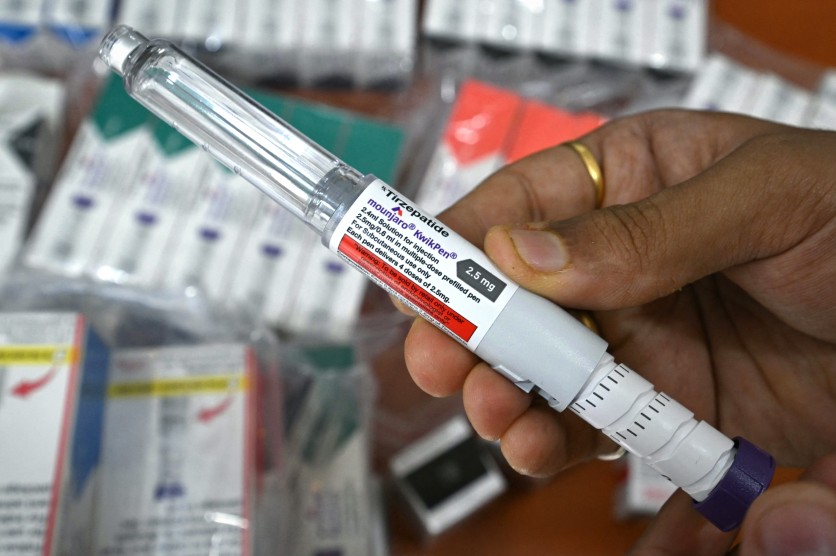
The mechanism behind those numbers differs meaningfully from earlier GLP-1 therapies in a way that goes beyond marketing. Semaglutide targets one receptor. Tirzepatide, Lilly's already-approved Zepbound, targets two — GLP-1 and GIP. Adding GIP to GLP-1 agonism improved average weight loss from roughly 15% to roughly 22% in Phase 3 trials, in part because GIP receptor activation enhances insulin sensitivity in adipose tissue through pathways that GLP-1 alone cannot access. Retatrutide adds the glucagon receptor as a third target, and that third receptor is the differentiator. Glucagon receptor agonism in isolation raises blood glucose — which is why glucagon was historically viewed as problematic in metabolic disease — but when co-activated alongside GLP-1 and GIP signaling, the glucose-raising effect is offset while the energy-expenditure effect is preserved. The glucagon component directly stimulates thermogenesis in brown adipose tissue and drives hepatic fat oxidation, increasing resting energy expenditure through a mechanism that pure GLP-1 drugs cannot replicate. The result is a two-sided weight-loss effect: reduced caloric intake from appetite suppression plus increased caloric output from thermogenesis.
TRANSCEND-T2D-1, the companion Phase 3 trial in type 2 diabetes, was simultaneously published in The Lancet on Saturday. Adults with type 2 diabetes on retatrutide reduced A1C by up to 2.0% and lost up to 36.6 pounds over 40 weeks, with up to 46% achieving a normal A1C level. Triglycerides fell by up to 39.6%, non-HDL cholesterol by up to 19.8%, and systolic blood pressure by 6.4 millimeters of mercury. TRIUMPH-1 showed similarly striking cardiometabolic improvements: triglycerides down 41.0%, non-HDL cholesterol down 24.2%, and a 12.3-millimeter-of-mercury drop in systolic blood pressure, along with a 73.1% reduction in knee pain scores and a 60.6% reduction in sleep apnea events. Dr. Ania Jastreboff of the Yale Obesity Research Center, the lead TRIUMPH-1 investigator, described the results as demonstrating that treating obesity substantially improves health outcomes beyond weight itself.
The trial's safety profile was broadly consistent with the incretin drug class — nausea, vomiting, diarrhea. A novel signal emerged for urinary tract infections, appearing in 7.5% to 8.8% of participants on retatrutide versus 5.3% on placebo in TRIUMPH-1, prompting investigators to flag it for further evaluation before regulatory submission.
CagriSema and Survodutide: Novo Nordisk and Boehringer Ingelheim Join Phase 3 Showcase
Sunday brought the first Phase 3 diabetes data for Novo Nordisk's CagriSema — a fixed-dose combination of the amylin analog cagrilintide and semaglutide that would represent the first drug pairing amylin and GLP-1 pathways at market. The three REIMAGINE trials, published simultaneously in The Lancet Diabetes & Endocrinology (REIMAGINE 1 and 2) and The Lancet (REIMAGINE 3), each met their primary endpoints for A1C reduction and confirmed secondary endpoints for weight loss across diverse type 2 diabetes populations. Novo Nordisk has filed CagriSema with the FDA for a weight-loss indication based on earlier REDEFINE program data; a US launch is targeted for early 2027.
A February 2026 head-to-head comparison showed Lilly's Zepbound — tirzepatide — produced average weight loss of 25.5% against CagriSema's 23% at 84 weeks, giving Zepbound the numerical advantage. Novo Nordisk has argued that as the first amylin-based combination on the market, CagriSema will carry the strongest weight-loss label of any product available at its anticipated launch date, and that the amylin mechanism — which suppresses post-meal glucagon through a pathway distinct from GLP-1 — offers a differentiated clinical profile.
Also presented Sunday was survodutide's Phase 3 SYNCHRONIZE-1 data. Survodutide, developed by Boehringer Ingelheim and Zealand Pharma with both FDA Fast Track and Breakthrough Therapy designations, is a glucagon/GLP-1 dual agonist that achieved 16.6% placebo-adjusted weight reduction at 76 weeks. The full dataset clarified that the vast majority of weight lost came from fat, with lean mass accounting for a small proportion of total loss — a body-composition profile that analysts have flagged as a potential competitive differentiator even as absolute weight loss trails tirzepatide.
Evolocumab Cuts Heart Attack Risk Before One Occurs: VESALIUS-CV Changes PCSK9 Practice
One of the week's most immediately practice-changing datasets arrived from outside the GLP-1 class. A prespecified subgroup analysis of the VESALIUS-CV trial was presented in an oral session Sunday and simultaneously published in Diabetes Care. The analysis tested the PCSK9 inhibitor evolocumab in patients with high-risk type 2 diabetes — defined by microvascular disease, insulin use, or a diabetes duration of at least ten years — who had not yet experienced a heart attack or stroke.
Evolocumab reduced LDL cholesterol by more than 50%, bringing average levels to 45 milligrams per deciliter. After a median follow-up of 4.6 years across the full VESALIUS-CV trial, patients in the high-risk diabetes subgroup showed a 29% reduction in three-point major adverse cardiovascular events and a 21% reduction in four-point events compared with placebo — the most robust cardiovascular benefit yet documented for a PCSK9 inhibitor in a population that had never had established cardiovascular disease. The findings challenge a longstanding clinical gap: despite type 2 diabetes being recognized as a cardiovascular risk equivalent for decades, intensive lipid-lowering has historically been reserved for patients with a prior heart attack or stroke. VESALIUS-CV provides the strongest evidence yet that waiting for that event before intensifying lipid therapy leaves preventable harm untreated.
What Retatrutide, Orforglipron, and VESALIUS-CV Mean for Patients and Clinicians Now
The 2026 ADA Standards of Care changed the target. Cardiovascular and kidney risk reduction are now co-primary treatment goals alongside glycemic control, which means a physician evaluating a therapy for type 2 diabetes cannot evaluate it by A1C reduction alone. The VESALIUS-CV data supports the argument that PCSK9 inhibitors belong in treatment plans for high-risk patients long before a cardiovascular event, not after. The retatrutide and orforglipron datasets support adding those therapies to formulary pipelines, though with different timelines: orforglipron is already on pharmacy shelves at $149 per month for self-pay patients, while retatrutide awaits an NDA filing and is expected to reach approval in 2027 or 2028.
The drug class's limitations deserve explicit statement. Approximately half of patients who start GLP-1 therapies discontinue within a year, driven by gastrointestinal side effects, cost, and supply constraints. Lean mass loss — roughly 20% to 40% of total weight lost across the class — remains an unresolved engineering problem; Clarivate analysts have identified muscle preservation as one of the industry's key unsolved challenges for the next generation of obesity drugs. The broader GLP-1 class also remains under active legal scrutiny: more than 4,400 lawsuits have been filed against Eli Lilly and Novo Nordisk in multidistrict litigation alleging failure to warn about gastroparesis and vision loss linked to existing semaglutide and tirzepatide products, though neither orforglipron nor retatrutide is named in that litigation.
For the 87th ADA Scientific Sessions, planned for 2027, the field will face a different question: which of these newly confirmed drugs will have translated evidence into updated guidelines, and which will have met the higher bar of long-term cardiovascular outcomes data. For now, the 86th edition closes as the most data-rich edition the meeting has produced — delivering in four days a multi-program Phase 3 tableau that formally ended the era of treating diabetes one number at a time.
Frequently Asked Questions
What is retatrutide and when will it be FDA-approved?
Retatrutide is an investigational once-weekly injectable developed by Eli Lilly that simultaneously activates three hormone receptors — GLP-1, GIP, and glucagon — making it the first drug in clinical development to target all three pathways at once. It is not yet FDA-approved. Eli Lilly is expected to file a new drug application in 2026, with regulatory approval most likely in 2027 or 2028 based on current timelines.
How does orforglipron differ from injectable GLP-1 drugs like Ozempic?
Orforglipron is a synthetic small molecule, not a peptide, so it is not broken down by digestive enzymes and does not require injection, fasting, or an absorption enhancer to reach the bloodstream. It binds inside the GLP-1 receptor's transmembrane domain rather than the extracellular pocket where peptide agonists bind, preferentially activating the cyclic AMP signaling pathway while minimally recruiting β-arrestin. The practical result is a once-daily pill that can be taken at any time without food or water restrictions, available since April 2026 at $149 per month for self-pay patients.
What did the 2026 ADA Scientific Sessions conclude about type 2 diabetes treatment?
The 2026 ADA Standards of Care, released at the meeting, formally elevated cardiovascular and kidney risk reduction to a co-primary treatment goal alongside blood sugar control — ending decades of practice in which A1C was the dominant benchmark. The conference also presented Phase 3 data for five drug programs supporting that broader framework, including the first evidence that PCSK9 inhibition with evolocumab significantly reduces cardiovascular events in high-risk diabetes patients who have not yet had a heart attack or stroke.
What is the difference between retatrutide and tirzepatide?
Tirzepatide, sold as Zepbound and Mounjaro by Eli Lilly, activates two hormone receptors — GLP-1 and GIP — and produced roughly 22% average weight loss in Phase 3 trials. Retatrutide adds glucagon receptor agonism as a third target, which activates thermogenesis in brown adipose tissue and increases hepatic fat oxidation in ways that tirzepatide cannot achieve. That additional mechanism translated to roughly 28% average weight loss in TRIUMPH-1, approximately five to six percentage points higher than tirzepatide in comparable populations.
ⓒ 2026 TECHTIMES.com All rights reserved. Do not reproduce without permission.


