The Bureau of Labor Statistics reported at 8:30 a.m. ET on Wednesday, June 10, 2026, that the Consumer Price Index rose 0.5 percent in May and 4.2 percent year over year, the fastest annual pace in three years and the highest reading since April 2023. For tech investors and tech shoppers, the number cuts twice: it kills any realistic chance of a Federal Reserve rate cut at the June 16-17 meeting, and it lands while memory shortages are already pushing device prices higher.
Both headline figures matched economist forecasts, but the trend is what stings. Annual inflation ran at 2.4 percent in January, 3.3 percent in March, and 3.8 percent in April before reaching 4.2 percent in May, according to Bureau of Labor Statistics data, a four-month acceleration that has steadily repriced what investors expect from the Fed this year.
Inflation at 4.2 Percent: Energy Drove More Than 60 Percent of May's Increase
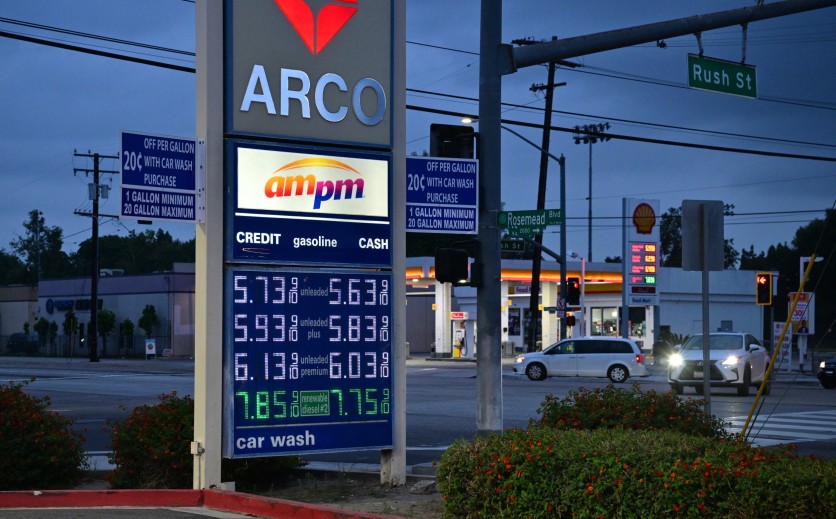
The energy index rose 3.9 percent in May and accounted for over 60 percent of the monthly all-items increase, per the BLS figures reported by CNBC on Wednesday. Over the past 12 months, energy costs are up 23.5 percent, a sharp step up from April's 17.9 percent pace, according to Yahoo Finance live coverage. Gasoline rose 7.0 percent in May alone, energy commodities are up 40.6 percent year over year, and fuel oil has climbed 58.9 percent over 12 months. Food prices rose 4.2 percent from a year earlier, with beef at record highs.
Behind those numbers sits the war between the United States and Iran, which has disrupted oil shipments through the Strait of Hormuz since late February and sent Brent crude to about $93 per barrel on June 10. The scale of the shock shows in BLS history: the March 2026 report recorded a 21.2 percent monthly gasoline jump, the largest since the series began in 1967. The conflict is the backdrop; the market story on Wednesday was what the resulting inflation does to interest rates, tech valuations, and electronics prices.
Core CPI at 2.9 Percent: The Number the Federal Reserve Will Actually Debate
Core CPI, which excludes food and energy, rose 0.2 percent for the month, below the 0.3 percent consensus, and 2.9 percent year over year, up from April's 2.8 percent. Morningstar's same-day analysis ran under the headline "Energy-Driven Inflation Is Contained, for Now", summarizing the optimistic read: the surge is a supply shock, not overheating demand.
The counterargument is stickiness. "Headline includes those volatile gas and food items that can be temporary, but it's those 'sticky' items that can be embedded," Jay Woods, chief market strategist at Freedom Capital Markets, told Kiplinger ahead of the release, warning that shelter, insurance, and services "may keep inflation above the Fed's comfort zone." Core inflation now sits nearly a full point above the Fed's 2 percent target, and it is moving in the wrong direction.
Will the Fed Still Cut Rates in 2026?
Almost certainly not at the June 16-17 meeting, and possibly not at all this year. The Federal Open Market Committee convenes next week with the federal funds target range at 3.50 to 3.75 percent, and futures traders tracked by CME Group FedWatch no longer expect any rate cuts in 2026, Kiplinger reported, a complete reversal from the quarter-point cut markets priced earlier this year. Trackers citing FedWatch data put the probability of a hold next week at roughly 96 percent as of Tuesday, June 9.
The conversation has even turned toward tightening. "The Fed generally discounts energy price fluctuations in its deliberations on interest rate policy. But the central bank will also note that 'core' inflation is likely to creep upwards as the year progresses," wrote David Payne, staff economist for The Kiplinger Letter, adding that the committee may consider rate hikes this year. Yahoo Finance reported the hot reading increases pressure on Fed Chair Kevin Warsh to hold the line. For technology stocks, the math is unforgiving: when rates stay higher for longer, the present value of profits expected years from now shrinks, and AI and chip names carry more of that long-duration risk than any other corner of the market.
Chipmakers Led the June 10 Slide as the VIX Jumped About 10 Percent
US stocks opened lower on Wednesday, with the Nasdaq down 0.8 percent in the first minutes of trading. As of 3:00 p.m. ET, the Dow Jones Industrial Average was down 0.78 percent, the Nasdaq Composite was off 0.42 percent, and the S&P 500 had lost 0.37 percent, according to TheStreet's live coverage, while the CBOE Volatility Index jumped roughly 10 percent on the session and traded above the 20 mark.
Chipmakers and AI infrastructure stocks did the heaviest falling. Nvidia traded down about 3.1 percent and AMD about 4.8 percent by mid afternoon, per delayed quotes compiled by StockStory, while AI server maker Super Micro Computer sank nearly 20 percent on its own $7 billion equity-raise news. The pressure extends a brutal stretch: the Philadelphia Semiconductor Index sank almost 9 percent intraday on Tuesday, June 9, before closing down 1.9 percent, and Vanda Research recorded the heaviest retail selling in single stocks since November 2023, concentrated in chip names. TechTimes reported Wednesday that the AI chip selloff has already erased $1 trillion in value. Oracle's earnings, due after Wednesday's close with a consensus of $1.97 per share on $19 billion in revenue, now serve as the AI trade's next checkpoint.
What 4.2 Percent Inflation Means for Laptop, Phone, and PC Prices in 2026
The CPI measures where prices have been; for electronics buyers, the road ahead looks rougher. Gartner forecasts memory costs could surge as much as 130 percent in 2026 as AI data centers absorb DRAM and HBM supply, a squeeze already filtering into laptop, smartphone, and DIY PC pricing. The war compounds the input-cost problem: roughly 10 percent of the world's aluminum comes from the Persian Gulf region, Payne noted, material "used in everything from jets to soda cans," alongside one-third of global fertilizer supply.
That leaves consumers squeezed from two directions at once: energy-driven inflation in the official May numbers and component-driven price increases landing in the electronics aisle through the rest of 2026. The Fed's decision arrives Wednesday, June 17, at 2:00 p.m. ET; a hold is nearly certain, so markets will scour the statement for any signal that the next move is a hike. Before then, Oracle reports Wednesday night and SpaceX's initial public offering is expected Friday, June 12, in what Yahoo Finance reports could be the largest public offering in history.
This article is not investment advice.
Read More
- AI Chip Stock Selloff Erased $1 Trillion, Oracle Earnings Today Offer Next Recovery Test
- RAM Prices 2026: Buy Now or Wait? Gartner Forecasts 130% Memory Cost Surge
- AI Revolution or AI Bubble? The Trillion-Dollar Question Splitting Wall Street and Silicon Valley
Frequently Asked Questions
What did the May 2026 CPI report show?
The Consumer Price Index rose 0.5 percent in May 2026 and 4.2 percent year over year, the highest annual rate since April 2023. Core CPI, which excludes food and energy, rose 0.2 percent for the month and 2.9 percent from a year earlier, while the energy index alone accounted for more than 60 percent of the monthly increase.
Why did tech stocks fall after the CPI report on June 10?
Inflation at 4.2 percent ended expectations of Federal Reserve rate cuts in 2026, and higher rates weigh hardest on growth stocks valued on profits far in the future. Chipmakers and AI infrastructure names, already under pressure from a selloff that erased about $1 trillion in value, led Wednesday's declines, with Nvidia and AMD down roughly 3 to 5 percent by mid afternoon.
Will the Federal Reserve cut interest rates at the June 16-17 meeting?
Futures markets tracked by CME Group FedWatch put the odds of the Fed holding rates at 3.50 to 3.75 percent at roughly 96 percent. Traders now price no rate cuts at all in 2026, and some economists say the committee could consider rate hikes later this year if core inflation keeps climbing.
How does inflation affect tech device prices in 2026?
Official CPI inflation is driven mostly by energy, but electronics face a separate squeeze from memory chips: Gartner forecasts memory costs could rise as much as 130 percent in 2026 because AI data centers are absorbing DRAM supply. That means laptops, smartphones, and PC components are likely to keep getting more expensive even if oil prices stabilize.
ⓒ 2026 TECHTIMES.com All rights reserved. Do not reproduce without permission.


