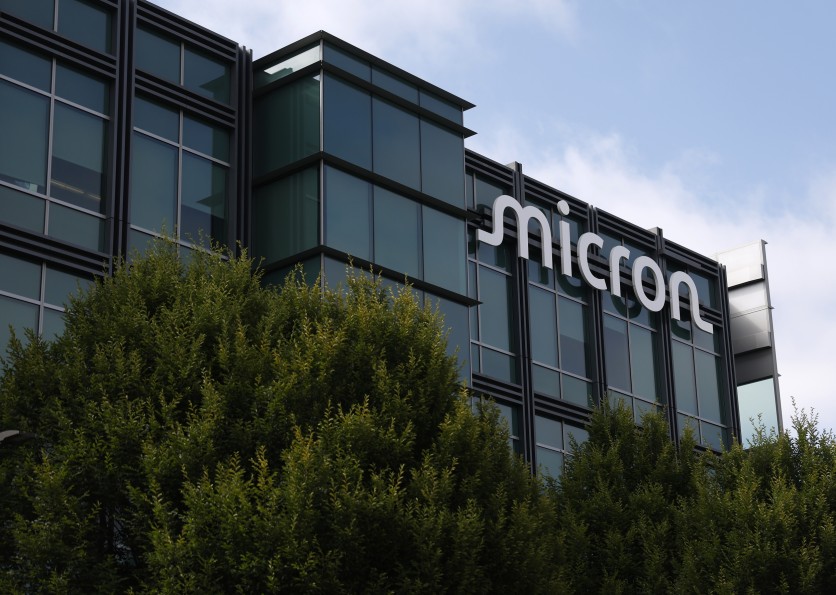
Micron Technology (Nasdaq: MU) reports fiscal third-quarter results on June 24, and few earnings releases this year carry more weight for the AI trade. After a roughly 70% run in 2026 built almost entirely on the high-bandwidth memory that feeds AI accelerators, the print is the single clearest test of whether that boom is a durable, structural franchise or another memory cycle that has run ahead of itself. The unusually wide gap in what analysts expect — set against the company's own bullish guidance — makes this one of the most consequential and least predictable semiconductor reports of the quarter.
For an investor weighing what to do around the date, the useful frame is this: the revenue headline will move the stock first, but it is not what decides the thesis. The margin and the contract visibility are.
Why Can't Analysts Agree on the Number?
The most telling feature of this setup is the disagreement. Wall Street's revenue estimates for the quarter span an unusually wide range, from about $33.7 billion to $40.9 billion — a spread of more than $7 billion, or roughly a fifth of the midpoint. For a single quarter at a single company, that is enormous, and it is the clearest sign that even professional analysts cannot agree on how fast AI memory demand is actually ramping.
Micron's own guidance sits near the bottom of that band: management has pointed to revenue of roughly $33.5 billion, plus or minus $750 million, with non-GAAP earnings per share around $19.15 and gross margin near 81%. For perspective, the company earned $1.73 a share in the year-ago quarter; consensus now looks for something close to $19. That kind of jump only happens when a commodity supplier briefly gains genuine pricing power — and the question the market is really asking is whether that power lasts.
Why Is This Print Binary?
For most companies, an earnings beat or miss is a matter of degree. For Micron right now, it functions closer to a referendum. The stock has been re-rated on the belief that HBM has transformed memory from a boom-and-bust commodity into a structural, recurring, high-margin business. June 24 either supports that belief or undercuts it.
A strong print that confirms guidance — especially the gross margin near 81% and a healthy next-quarter outlook — would cement the case that HBM is a durable franchise and justify the multiple investors have paid; a revenue figure toward the high end of the range would suggest the ramp is even faster than the company let on. But cautious guidance, a softer margin, or any hint that pricing is peaking would tell the opposite story: that the stock priced in perfection and the cycle is nearer its top than its middle. With so much optimism already in the share price, the asymmetry matters — the bar to clear is high.
Which Metrics Matter More Than the Revenue Headline?
The revenue beat will grab the headline, but the more informative numbers sit beneath it.
The first is gross margin. Micron has guided to roughly 81%, far above its historical norm and a direct measure of HBM's pricing power. Whether that margin holds, expands, or slips is a cleaner read on the cycle than the revenue line, because margins compress first when supply loosens. The second is supply commentary. Micron has said its entire 2026 HBM output is sold out under multi-year contracts, with customers increasingly signing three-to-five-year agreements — a structural shift toward demand visibility that, if extended into 2027 and beyond on this call, would be the strongest evidence yet that the franchise is real. The third is capital expenditure. Micron has been spending on the order of several billion dollars a quarter to expand capacity — and that same capacity is what has historically ended every memory upcycle by tipping supply back into surplus. Capex guidance is therefore a read on how disciplined, or how aggressive, the industry intends to be.
What Are the Bull and Bear Cases Going In?
The bull case is straightforward: HBM is sold out, demand from Nvidia, AMD, and the hyperscalers shows no sign of slowing, and only three companies — Micron, SK Hynix, and Samsung — can make the chips at all. If the call confirms strong margins and lengthening contracts, Micron's old habit of trading at a low single-digit multiple looks far too pessimistic, and the stock can keep re-rating.
The bear case is the one every memory veteran knows. Gross margins above 80% are extraordinary and, by definition, hard to sustain; the spending that powers today's shortage is the spending that creates tomorrow's glut; and after a roughly 70% advance this year, much of the good news is already priced in. The wide analyst spread cuts both ways — a blowout is possible, but a result that disappoints relative to the most optimistic models could hit the stock even if the quarter is objectively strong.
How Should You Read the Report?
For a long-term investor, the report is a checkpoint on a multi-year thesis, not a verdict: the structural case for AI memory does not stand or fall on one quarter, but the margin trend and contract visibility on this call will say a great deal about its durability. For a trader, it is a high-volatility event with a wide range of outcomes priced in, and acting directly into a binary print of this kind carries obvious risk.
Listen for, in order: whether gross margin holds near the guided 81%, whether revenue lands inside or above the company's range, what management says about 2027 supply contracts and pricing, and how aggressive the capex plan looks. The revenue number will move the stock in the first minute; those four signals will determine whether the move sticks. This article is not investment advice.
Read more: Roundhill Memory ETF Sets Price Record as Vera Rubin Confirms AI Memory Demand Is Structural
Frequently Asked Questions
When does Micron report earnings?
Micron reports its fiscal third-quarter 2026 results on June 24, 2026, after the market close. It is one of the most closely watched semiconductor reports of the quarter because the company has become a primary proxy for the AI memory supercycle.
What are analysts expecting from Micron's Q3?
Estimates vary widely. Company guidance points to roughly $33.5 billion in revenue (plus or minus $750 million), non-GAAP EPS near $19.15, and gross margin around 81%, while analyst revenue estimates span a wide $33.7 billion to $40.9 billion — a gap of more than $7 billion that reflects deep uncertainty over the pace of the ramp.
Why does Micron's gross margin matter so much?
Gross margin near 81% is far above Micron's historical norm and is the cleanest measure of HBM's pricing power. Because margins compress before revenue when memory supply loosens, whether that margin holds is a better signal of the cycle's health than the revenue figure itself.
Is the AI memory boom sustainable?
That is the core debate. Bulls point to HBM sold out through 2026 on multi-year contracts and only three global suppliers; bears note that memory margins are historically cyclical and that today's capacity spending eventually creates oversupply. Micron's June 24 commentary on 2027 contracts and capex will be a key tell. This article is not investment advice.
ⓒ 2026 TECHTIMES.com All rights reserved. Do not reproduce without permission.


