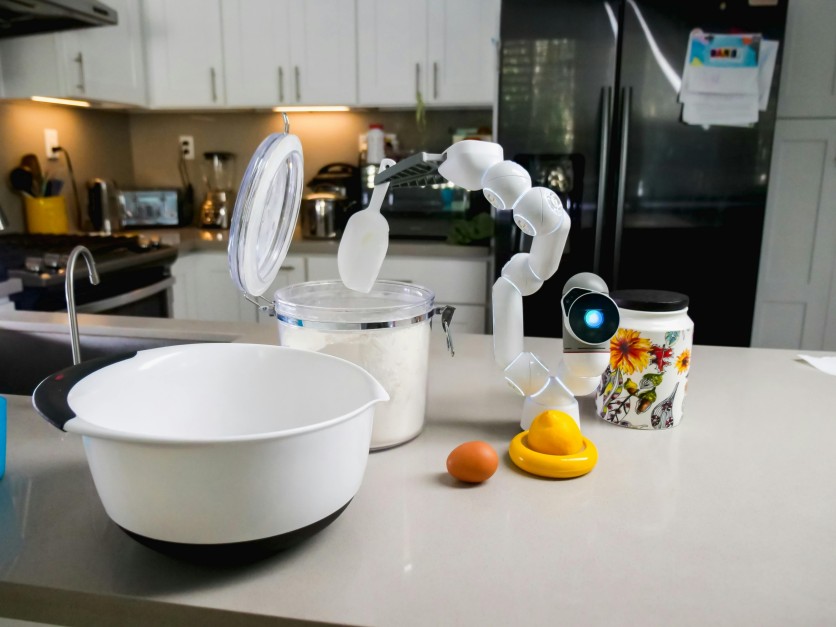
Smart home AI is reshaping the way we interact with our living spaces, integrating predictive automation across appliances, lighting, and security systems. IoT predictions suggest 75 billion connected devices by 2030, allowing homes to anticipate needs and optimize performance without manual input. Future home technology uses machine learning to adjust temperature, lighting, and appliance schedules automatically, creating a living environment that responds intelligently to individual lifestyles. Connected home trends further emphasize interoperability through protocols like Matter, ensuring that devices from different manufacturers can communicate seamlessly, enhancing both convenience and user experience.
This evolution in smart living also focuses on safety, energy efficiency, and accessibility. AI-powered homes can manage resources proactively, track environmental conditions, and provide assistance for the elderly or differently-abled. Early adopters report greater comfort, convenience, and even reduced utility costs, while industry leaders forecast that privacy-conscious edge computing and standardized IoT frameworks will accelerate widespread adoption. From predictive routines to automated home health monitoring, AI-driven homes are poised to redefine modern living, blending technology and daily life in a connected ecosystem.
Predictive Automation and Smart Energy Management
AI thermostats such as Nest learn household occupancy patterns and automatically adjust heating and cooling schedules, reducing energy use by 15–20%. They integrate weather forecasts, daily routines, and local utility pricing to optimize efficiency without requiring manual input. Voice assistants act as central hubs, coordinating tasks across devices such as robot vacuums, smart plugs, security cameras, and lighting scenes, making home management seamless and hands-free. Facial recognition-enabled doorbells distinguish family members from visitors, granting temporary access for deliveries or maintenance while notifying homeowners instantly. These AI-driven systems provide convenience, security, and energy savings in one automated package.
Beyond basic scheduling, predictive energy management allows homes to anticipate peak utility periods and adjust device usage accordingly. Machine learning continuously refines routines based on user habits, ensuring that energy consumption stays optimized while maintaining comfort. Integrated sensors detect occupancy, turning off lights or appliances in unused rooms, and smart plugs prevent wasted energy from standby electronics. This combination of adaptive AI, predictive scheduling, and cross-device coordination transforms everyday home management into a fully connected, intelligent system.
- AI thermostats optimize heating and cooling schedules based on usage patterns, weather, and peak utility hours.
- Voice assistants manage multiple devices from a single hub, enabling automation and synchronized routines.
- Facial recognition doorbells provide automated access control and real-time notifications for added security.
- Predictive energy scheduling reduces overall household consumption and lowers utility bills.
- Integrated smart plugs and sensors allow devices to turn off automatically when rooms are unoccupied.
- Machine learning adapts routines over time, learning user preferences and adjusting schedules for maximum comfort and efficiency.
Adaptive Routines and Unified Home Intelligence
Smart home AI adapts to personal habits, such as recognizing late nights and delaying morning lighting or coffee brewing for better comfort. Energy optimization algorithms schedule EV charging and laundry during off-peak hours, reducing electricity costs. IoT predictions show that data sharing between devices creates a unified ecosystem where cross-device intelligence eliminates silos, making home orchestration more cohesive and responsive. Connected home trends also emphasize privacy-preserving edge computing, keeping sensitive data local while enabling intelligent automation.
- Adaptive routines respond to sleep patterns and daily habits.
- Off-peak scheduling optimizes energy consumption for cost savings.
- Cross-device intelligence ensures seamless coordination across devices.
- Edge AI maintains data privacy while enabling smart automation.
Health, Safety, and Lifestyle Enhancements
Future home technology integrates advanced health monitoring with air quality sensors detecting VOCs, CO2, and particulate levels to improve indoor environments. Robot companions like Samsung Ballie patrol homes, provide medication reminders, and offer elderly companionship. Augmented reality mirrors analyze posture and form during exercise, giving real-time coaching feedback. These innovations extend smart home functionality beyond convenience, enhancing well-being, safety, and personal development while maintaining seamless integration within connected home ecosystems.
- Air quality sensors monitor indoor environmental health.
- Robot companions assist with daily routines and elderly care.
- AR mirrors provide exercise and posture guidance through AI feedback.
- Smart devices support holistic wellness and lifestyle optimization.
Conclusion
Smart home AI is at the forefront of future home technology, driven by IoT predictions and connected home trends toward fully autonomous living. Predictive automation, adaptive routines, and advanced health and security systems collectively enhance comfort, energy efficiency, and safety, making modern homes more responsive to human needs.
Open standards like Matter and privacy-conscious edge computing accelerate mass adoption, ensuring that devices communicate securely and seamlessly. As AI-driven homes evolve, the integration of smart appliances, health monitoring, and lifestyle-enhancing features will transform daily routines into optimized, intelligent experiences, establishing a new standard for convenience, sustainability, and connected living.
Frequently Asked Questions
1. What is predictive home automation?
AI learns routines to preemptively adjust lighting, temperature, and appliances without user input.
2. How does smart home AI save energy?
Homes reduce energy consumption by 15–30% through occupancy prediction and peak pricing awareness.
3. Will all devices work together soon?
Matter protocol will standardize connectivity across brands by 2026, enabling seamless interoperability.
4. Are smart homes safe for privacy?
Edge AI processing keeps data local, and zero-trust authentication ensures secure device access.
ⓒ 2026 TECHTIMES.com All rights reserved. Do not reproduce without permission.


