
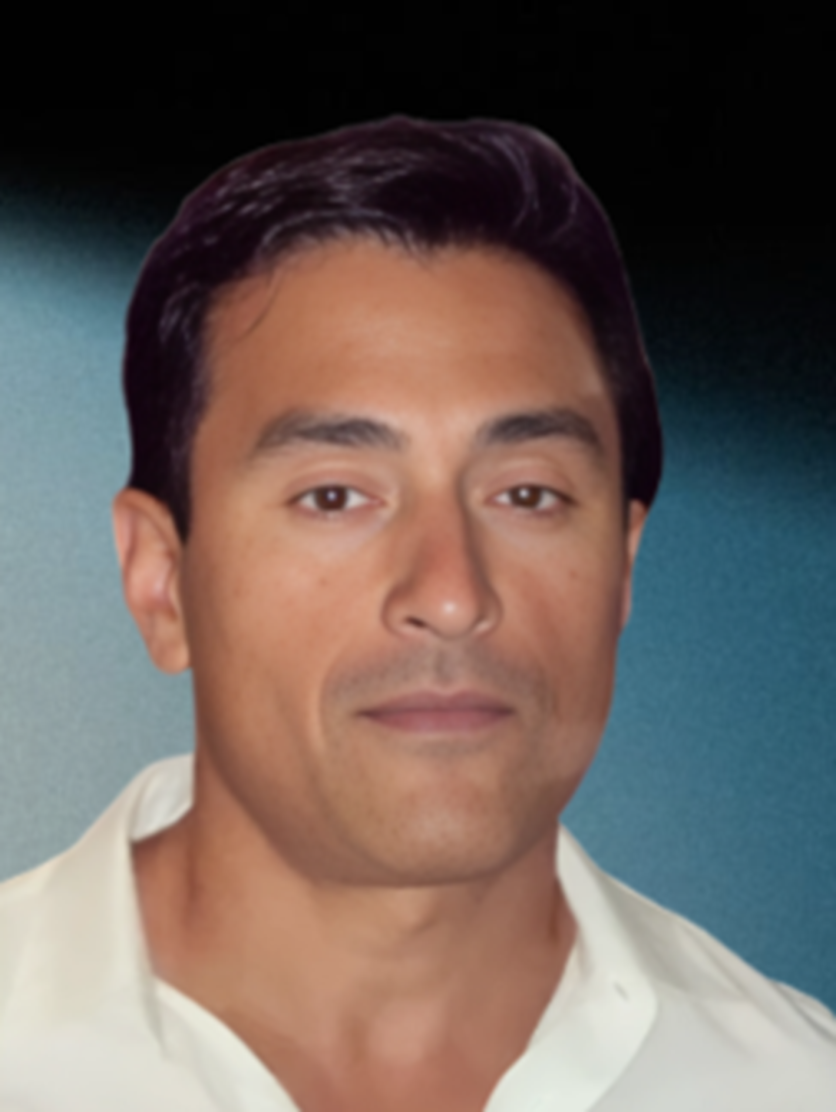
Peripheral arterial disease (PAD) remains one of the most consequential and under-recognized vascular conditions in the United States. Often beginning with mild exertional pain, PAD can quietly progress toward chronic limb-threatening ischemia (CLTI), non-healing wounds, infection, and, ultimately, limb loss if left untreated. In regions where specialist access is limited, the stakes are even higher. This challenge is exactly where modern multidisciplinary limb-salvage centers—like PADS Beaumont—have stepped into a crucial role. And at the forefront of shaping these systems is Dr. Andrew Gomes, whose work in outpatient PAD infrastructure reflects a broader evolution in vascular care.
Combining data-driven strategies, streamlined outpatient methodologies, and integrated specialty collaboration, limb-salvage centers have begun rewriting the story for patients who previously faced long travel distances or multi-month delays for evaluation. Dr. Andrew Gomes, through his leadership and experience building PAD-focused outpatient programs, has helped ensure that facilities like PADS Beaumont can deliver timely, precise, and accessible vascular care.

A New Model of Care: How Limb-Salvage Centers Evolved
Historically, limb-salvage relied heavily on hospital systems and limited vascular-surgery availability. Yet outcomes improved significantly when multiple specialties—vascular surgery, interventional radiology, wound care, podiatry, infectious disease, and rehabilitation—began working together under unified pathways. Research consistently shows that multidisciplinary limb-preservation teams are associated with reduced amputation rates and improved wound-healing outcomes.
This collaborative approach is foundational to the mission of PADS Beaumont, an outpatient facility opened on October 18, 2017, which has since completed 5,593 consults and 2,130 procedures. While those numbers reflect significant patient impact, they also illustrate the center's growing role as a regional hub for PAD evaluation and limb salvage in Southeast Texas and Southwest Louisiana.
For Dr. Andrew Gomes, who has spent more than 15 years shaping innovative pathways in both radiology and outpatient procedural operations, the rise of limb-salvage centers is both a clinical and logistical evolution. His leadership in PAD Specialists emphasizes not only advanced diagnostic strategies but also streamlined operations that connect the right specialty to the right patient at the right time.
Why Beaumont Needed a Limb-Salvage Center
The geographic disparity in vascular care across Southeast Texas and its surrounding communities is well-documented. Many small towns between Beaumont, Port Arthur, Orange, and across the Louisiana border lack consistent access to specialized PAD services. Patients often face long drives, delayed evaluations, or dependence on overloaded hospital systems. Studies show that such geographic limitations correlate strongly with higher amputation rates.
This is why PADS Beaumont is uniquely positioned:
1. It fills a serious regional care gap.
Patients who previously would have waited months now receive rapid evaluation, diagnostic imaging, and treatment in an outpatient environment designed for vascular efficiency.
2. It serves as a partner to nursing facilities and wound-care teams.
PADS Beaumont works closely with long-term care centers to screen at-risk patients early. This collaboration prevents progression from minor wounds to limb-threatening infections—a win for both patients and care partners.
3. It offers specialty-matched procedural care rarely seen in non-urban settings.
The Beaumont team includes vascular surgeons (Saqib, Lajos), an interventional radiologist (Leschak), and an interventional cardiologist (Little), enabling treatment pathways tailored to each patient's anatomy, comorbidities, and vascular complexity.
This diversity is a cornerstone of the facility's success and reflects the philosophy long championed by Dr. Andrew Gomes: multidisciplinary precision produces better outcomes than a one-size-fits-all procedural model.
Methodology: How Limb-Salvage Works at an Outpatient Level
A modern limb-salvage center relies on a multi-step system—diagnostics, revascularization, wound care, and rehabilitation—each executed with clinical precision.
1. Diagnostics: Fast, Clear Vascular Insight
Testing includes ABI/TBI, toe pressures, duplex ultrasound, and transcutaneous oxygen mapping. Early vascular involvement in wound evaluation is proven to improve healing rates.
2. Revascularization Techniques
Most PAD cases can be managed with outpatient endovascular procedures such as:
- Balloon angioplasty
- Atherectomy
- Stent placement
- Hybrid techniques combining catheter-based tools with surgical planning
Because these are minimally invasive and typically performed under local anesthesia, recovery times are short and complications minimal.
3. Wound Management and Tissue Preservation
Referring wound-care specialists who work in concert with PAD Specialists ensure proper debridement, offloading strategies, and infection control. Evidence shows coordinated wound care paired with vascular intervention dramatically reduces amputation rates.
4. Rehabilitation and Follow-Up
Outpatient limb-salvage emphasizes function, ensuring patients regain mobility and independence—core goals for both the care team and Dr. Gomes, who views limb preservation as a direct extension of quality-of-life medicine.
Why Move Limb-Salvage Out of the Hospital?
The shift toward outpatient limb preservation is not just convenience—it's a strategy.
- Faster evaluations mean earlier interventions.
- Lower cost of care compared to hospital-based treatment.
- Streamlined scheduling avoids the bottlenecks common in inpatient systems.
- Better continuity of care through centralized records and coordinated specialty pathways.
For Dr. Andrew Gomes, outpatient vascular innovation aligns perfectly with his background in operational leadership and clinical integration. His work managing PAD Specialists has focused on expanding procedural access to communities that historically lacked specialist availability—a mission directly reflected in the operations of PADS Beaumont.
Impact: A Community Transformed Through Access
While clinical data—healing rates, reduced amputations, procedural success—are critical, the human impact is equally profound. Referral partners routinely praise PADS Beaumont for:
- rapid scheduling,
- transparent communication,
- consistent procedural outcomes, and
- collaborative patient management.
Each of these components mirrors the systems-based approach favored by Dr. Andrew Gomes, who continually emphasizes that the success of a limb-salvage center depends as much on workflow and education as on procedural skill.
Looking Forward: Expanding the Limb-Salvage Framework
Challenges remain nationwide: PAD awareness is low, vascular workforce shortages persist, and many underserved regions lack structured referral pathways. But facilities like PADS Beaumont offer a template for scalable outpatient vascular care that blends multidisciplinary medicine with operational innovation.
As Dr. Andrew Gomes continues to shape PAD-focused programs, his experience—spanning diagnostic radiology, outpatient procedural management, healthcare consulting, and imaging innovation—underscores how thoughtful system design can reshape regional health outcomes.
For Southeast Texas and Southwest Louisiana, the message is clear: no patient should face limb loss due to lack of access. With centers like PADS Beaumont—and leaders like Dr. Andrew Gomes guiding the evolution of outpatient PAD care—the future of limb salvage is not only more accessible but measurably more effective.
ⓒ 2026 TECHTIMES.com All rights reserved. Do not reproduce without permission.


