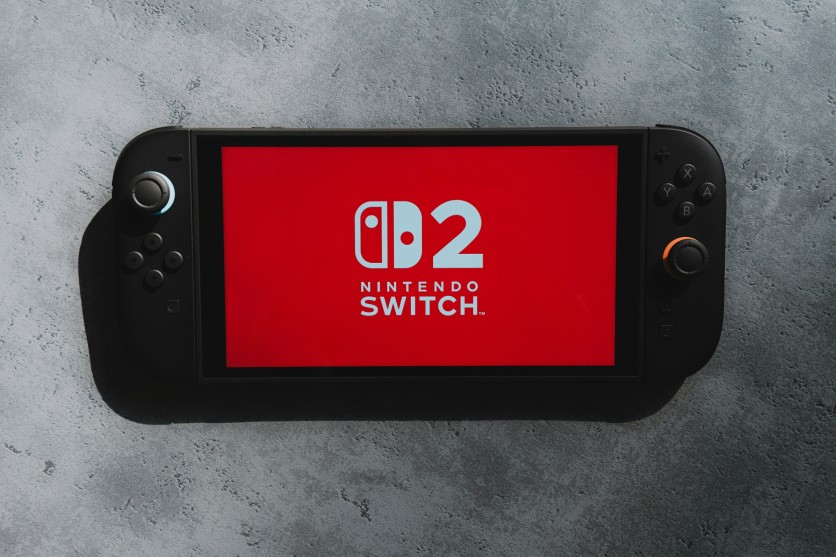
The Nintendo Switch 2 vs Steam Deck OLED matchup highlights two very different approaches to handheld gaming in 2026. Nintendo focuses on hybrid versatility, combining docked 1080p output with 720p handheld performance and DLSS upscaling. Steam Deck OLED emphasizes PC-level gaming on the go, offering access to a vast Steam library and rich OLED visuals. Both devices cater to different audiences: the Switch 2 prioritizes casual, family-friendly play with portable flexibility, while the Deck leans toward enthusiasts who demand high performance and customization.
Beyond raw specs, the Nintendo Switch 2 vs Steam Deck OLED comparison includes display fidelity, battery endurance, and ecosystem strengths. Switch 2 introduces 120Hz VRR handheld and versatile Joy-Cons for motion and tabletop gaming, whereas the Deck OLED provides deep contrast, customizable controls, and full PC features like mod support. Choosing between the two ultimately depends on whether portability and exclusive Nintendo titles or PC gaming flexibility and OLED clarity matter more to the player.
Nintendo Switch 2 vs Steam Deck OLED – Performance Breakdown
The Nintendo Switch 2 performance focuses on efficiency and hybrid optimization, hitting 40fps in Crysis Remastered at 1080p with DLSS upscaling. Its handheld power draw is only 8–10W, giving a longer runtime compared with the Deck OLED's 15W TDP. For casual and portable play, Switch 2 delivers smoother battery-friendly sessions while maintaining consistent frame rates.
The Steam Deck OLED performance shines in open-world and graphically demanding PC ports like Cyberpunk 2077, offering higher textures, mods, and desktop-level rendering. While frame rates are similar to Switch 2 at 720p FSR 3, Steam Deck can push visuals further thanks to its PC architecture. The Deck's raw GPU power gives enthusiasts the freedom to tweak settings extensively for maximum fidelity.
- Switch 2: 1080p docked, 720p handheld with DLSS upscaling
- Deck OLED: 720p FSR 3, full PC graphics, mod support
- Switch 2 handheld efficiency: 8–10W vs Deck OLED 15W
- Deck excels in open-world PC games like Cyberpunk and Skyrim
- Switch 2 optimized titles maintain longer battery life
Nintendo Switch 2 vs Steam Deck OLED – Display and Battery
The Nintendo Switch 2 display features a 7.9-inch 120Hz LCD that prioritizes sharpness and smooth motion with VRR support. The display offers crisp visuals for fast-action and competitive games, making it ideal for handheld play. Docked mode outputs up to 4K on TVs, giving Switch 2 flexibility for living room gaming.
The Steam Deck OLED display uses a 7.4-inch 90Hz OLED panel, delivering high contrast, deep blacks, and HDR highlights for cinematic visuals. While OLED enhances color and depth, it draws more power than Switch 2's LCD, slightly reducing battery life. The Deck's screen is better suited for immersive PC gaming and cinematic titles.
- Deck OLED: 7.4" 90Hz OLED, HDR, high contrast
- Switch 2: 7.9" 120Hz LCD, sharp PPI, VRR support
- Switch 2 battery: 4–6 hours handheld vs Deck 3–5 hours
- Switch docked: 4K output, Deck: 1080p TV mode
- Deck OLED consumes more power due to OLED and PC features
Nintendo Switch 2 vs Steam Deck OLED – Design and Ecosystem
The Nintendo Switch 2 design prioritizes portability with detachable Joy-Cons and under 1lb handheld weight. Its ecosystem focuses on exclusives like Mario Kart World and Animal Crossing, appealing to family and casual gamers. Backward compatibility ensures all previous Switch games work seamlessly on the new hardware.
The Steam Deck OLED design is bulkier, with larger grips and PC-like controls. Its ecosystem offers thousands of Steam titles with mouse/trackpad precision, plus support for mods and open-source tools. While less portable, the Deck gives PC enthusiasts unparalleled flexibility in running games and productivity apps on a handheld form factor.
- Switch 2: lightweight, detachable Joy-Cons, tabletop gaming
- Deck OLED: bulkier, ergonomic grips, PC controls
- Switch 2: Nintendo exclusives, backward compatible library
- Deck OLED: full Steam library, mods, custom apps
- Switch 2: family-friendly hybrid gaming, Deck: PC portability
Price and Upgrades
Pricing highlights each device's target audience. Nintendo Switch 2 launches at $399, with Switch Online adding about $70/year. Storage is fixed and proprietary, limiting upgrades but keeping the ecosystem simple.
Steam Deck OLED starts at $549, with upgradeable SSD options including 1TB replacements for expanded storage. While more expensive, the Deck offers flexibility and future-proofing for users who want large PC game libraries on the go.
- Switch 2: $399 base, $70/year Switch Online
- Deck OLED: $549 base, upgradeable SSD up to 1TB
- Switch 2: fixed storage, simple ecosystem
- Deck OLED: PC-like flexibility, future upgrades
- Deck combo includes accessories for extended gaming
Conclusion
The Nintendo Switch 2 vs Steam Deck OLED comparison shows that both handhelds excel in different areas. Switch 2 offers family-friendly hybrid gaming, portability, and exclusive titles, making it ideal for casual players and Nintendo fans. The Steam Deck OLED, however, is a powerhouse for PC gaming on the go, with superior display contrast, mod support, and an open ecosystem. Players choosing between the two must weigh the value of Nintendo exclusives and hybrid convenience against raw PC power and OLED performance for serious handheld gaming. Both devices represent the pinnacle of 2026 handheld innovation in their respective categories.
Frequently Asked Questions
1. Nintendo Switch 2 vs Steam Deck OLED performance?
Switch 2 provides efficient 1080p handheld and docked gaming with DLSS upscaling. The Deck OLED delivers raw PC power at 720p with mod support. Both consoles handle popular titles smoothly, but the Deck excels with high-end PC ports. Casual players benefit more from Switch 2's power-efficient design.
2. Battery life Nintendo Switch 2 vs Steam Deck OLED?
Switch 2 lasts 4–6 hours during demanding handheld play, while the Deck OLED sustains 3–5 hours. Battery efficiency is higher on Switch 2 due to its optimized hardware. Docked mode reduces strain on the battery for extended sessions. Deck OLED requires charging sooner due to OLED panel power draw.
3. Display winner Nintendo Switch 2 or Deck OLED?
Deck OLED offers superior contrast, HDR, and deep blacks thanks to its OLED panel. Switch 2 prioritizes sharpness and 120Hz VRR for fluid gameplay. Both displays excel in their own way, depending on game type. Casual gamers may prefer LCD clarity, while PC enthusiasts value OLED richness.
4. Best game library Switch 2 vs Deck OLED?
Steam Deck OLED has thousands of PC titles and full mod support. Switch 2 features exclusive Nintendo games like Mario and Zelda. Backward compatibility ensures Switch 2 runs all older titles seamlessly. The Deck OLED offers greater flexibility for multi-platform and PC gaming enthusiasts.
ⓒ 2026 TECHTIMES.com All rights reserved. Do not reproduce without permission.


