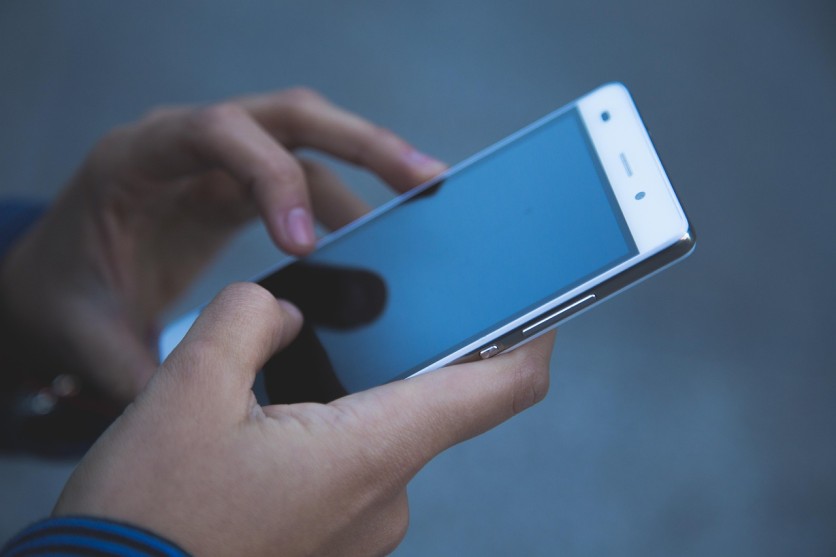
Battery life has quietly become one of the most important features people look for when buying a new smartphone, and that matters more than ever in 2026. The best phone battery life in 2026 is no longer just about a big mAh number, but about how long a device can realistically last in everyday use.
What Determines the Best Phone Battery Life in 2026
When discussing the best phone battery life in 2026, several core factors decide how long a device truly lasts between charges. Battery capacity, measured in milliamp-hours (mAh), is the most visible spec, but a 5,000mAh battery in one phone can perform very differently to the same capacity in another.
That difference comes from the efficiency of the chipset, the display technology and refresh rate, and how aggressively the software manages background tasks and power consumption.
Modern phones increasingly rely on power-efficient processors and adaptive displays that can lower refresh rates when viewing static content. This means a phone with a 4,500mAh battery and a highly efficient chip can sometimes outlast a less optimized 5,000mAh phone.
Fast charging, wireless charging, and even reverse wireless charging do not change battery life directly, but they impact user experience because a phone that can quickly top up from 20% to 80% may feel more dependable over a long day.
Real‑world endurance tests, such as continuous web browsing and mixed‑use day simulations, remain the most reliable way to judge the best phone battery life in 2026 instead of relying on lab numbers alone.
Best Flagship Phones for Battery Life 2026
In the flagship segment, the best phone battery life in 2026 typically combines high‑end performance, premium displays, and strong camera systems with excellent endurance. These devices are designed for heavy users who stream video, play games, shoot photos, and multitask throughout the day.
The top performers in this class often manage a full day and a half of regular use, even with 5G enabled and screen brightness set high, thanks to advanced chipsets built on power‑efficient manufacturing processes and refined software optimization.
A "best overall battery life flagship in 2026" would be one that balances a sizable battery (often 4,800–5,500mAh) with adaptive refresh rate displays that drop as low as 1–10Hz when viewing static content. A "best gaming phone battery life 2026" model would prioritize sustained performance and thermal management so the device does not throttle or drain excessively during long gaming sessions.
Meanwhile, a "best camera phone with great battery 2026" combines intensive image processing with smart power management, ensuring that extended photo and video shoots do not force users to reach for a charger halfway through the day. In all these cases, the best phone battery life in 2026 in the flagship tier is defined by consistency and reliability under demanding workloads.
Best Mid‑Range Phones for Battery Life 2026
Mid‑range smartphones have quietly become some of the best choices for users chasing the best phone battery life in 2026 on a reasonable budget. These devices often pair large batteries, sometimes 5,000–6,000mAh, with mid‑tier chipsets that consume less power than flagship processors while still offering smooth performance for social media, streaming, and light gaming.
Because mid‑range screens frequently use slightly lower resolutions or more conservative refresh rates, they can stretch their battery capacity even further.
The "best mid‑range all‑rounder battery phone 2026" would typically be a phone that comfortably lasts two days for moderate users while still offering decent cameras and modern 5G connectivity. A "best mid‑range 5G phone with long battery life 2026" focuses on efficient 5G modems that avoid the heavy drain early 5G devices once suffered.
For heavy users, the "best mid‑range phone for heavy users 2026" might combine an energy‑efficient chipset, a battery above 5,000mAh, and fast wired charging, allowing users to quickly recover several hours of use with a short top‑up. In this segment, the best phone battery life in 2026 often comes from smart compromise: slightly less flash, far more stamina.
Best Budget Phones With Long Battery Life 2026
Budget phones have also improved dramatically, and many now compete for the best phone battery life in 2026, especially for users who prioritize endurance over premium features. Entry‑level and budget devices commonly include large batteries because this is an easy way for manufacturers to add tangible value without drastically increasing cost.
Their processors, while less powerful, are generally frugal, and displays usually stick to 60Hz or 90Hz, both of which keep power draw down.
A "best battery life phone under $300 in 2026" would be expected to deliver at least a full day and a half of mixed use, even in the hands of a more demanding user. At the lower end, a "best battery life phone under $200 in 2026" may offer simpler cameras and plastics instead of glass or metal, but it can still provide surprisingly strong real‑world endurance and multi‑day standby.
Finally, a "best entry‑level long‑lasting phone 2026" targets first‑time smartphone buyers or those upgrading from very old devices, emphasising durability, big batteries, and straightforward software over cutting‑edge features. For many users, these budget devices embody the phrase best phone battery life in 2026 because they genuinely last multiple days on a single charge.
Future of Smartphone Batteries Beyond 2026
Looking beyond 2026, advancements in battery chemistry and power management promise to push the boundaries of what is considered the best phone battery life. Emerging technologies such as silicon‑enhanced anodes, stacked battery designs, and more intelligent power‑saving algorithms aim to deliver higher capacity without increasing size and weight.
At the same time, more efficient chipsets, AI‑driven background management, and even better display tech will help future phones do more while consuming less power.
As these improvements roll out, the standards that define the best phone battery life in 2026 will evolve, and multi‑day flagships may become the norm rather than the exception. For now, buyers can achieve excellent endurance by focusing on balanced hardware, efficient software, and realistic tests, making sure the device they choose can handle their personal mix of work, play, and travel without constant fear of running out of power.
Frequently Asked Questions
1. Do phones with larger batteries always weigh more?
Not always, but there is usually a trade‑off between battery size and weight. Newer designs use denser battery tech and lighter materials in the frame and back panel to offset the added capacity, so two phones with similar battery sizes can feel very different in the hand.
2. Is fast charging bad for long‑term battery health?
Very aggressive fast charging can accelerate battery wear slightly over the long term, but manufacturers try to manage this with smart charging algorithms and heat control. In everyday use, occasional fast charging is unlikely to cause noticeable degradation, especially if users avoid keeping the phone at 100% on a hot charger for many hours.
3. Do background apps really drain that much battery?
Yes, background apps can significantly reduce effective battery life if they constantly sync data, use location, or wake the device. Managing app permissions, restricting auto‑start behavior, and periodically reviewing which apps run in the background can often recover several hours of real‑world endurance.
4. Is battery life different between 4G and 5G use?
Yes, 5G typically consumes more power than 4G, especially in areas with weak or inconsistent 5G coverage where the phone must switch bands or boost signal more often. In strong 5G areas with efficient modems, the difference can be smaller, but users who want maximum battery life may prefer using 4G in poor 5G zones.
ⓒ 2026 TECHTIMES.com All rights reserved. Do not reproduce without permission.


