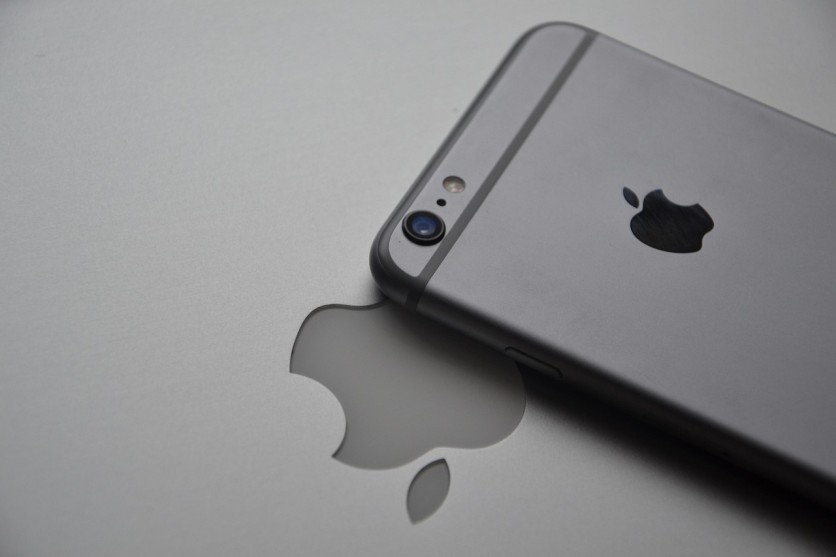
Apple's next-generation iPhone 18 is shaping up to be a major step forward in battery endurance and efficiency, driven largely by a new chip design and smarter power management. Early leaks suggest that iPhone 18 battery life could improve significantly, thanks to a more efficient architecture and the Apple A20 chip, which is expected to prioritize performance-per-watt rather than just raw speed.
Why Battery Life Matters More Than Ever
For most users, battery life has become just as important as camera quality or screen size. Modern smartphones run heavy apps, AI features, and games that constantly push processors and batteries to their limits, so any gains in efficiency have an immediate impact on daily use.
Reports and leaks around the iPhone 18 indicate that Apple is focusing specifically on iPhone 18 performance efficiency, not just bigger batteries, as a way to deliver longer screen-on time without making the phone feel bulky.
The iPhone 18 is also expected to arrive in a competitive landscape where rival brands are investing in advanced battery chemistries and aggressive power-saving modes. That puts extra pressure on Apple to show noticeable improvements in real-world endurance, not just small incremental gains.
Will The iPhone 18 Have Better Battery Life?
People frequently ask whether the iPhone 18 will noticeably outlast its predecessors, and early leaks point toward a "yes" in practical terms. The main reason is not just a bigger battery but a more efficient platform overall, designed to sip power instead of wasting it during everyday tasks such as scrolling, messaging, and web browsing.
Even if the nominal battery capacity stays similar to current models in some variants, reports suggest that improved efficiency could translate into more usable hours of screen-on time per charge. For users, that matters more than raw specs: it means fewer mid-day top-ups and more confidence that the phone will last from morning to night under typical use.
Does The A20 Chip Improve Battery Life?
From an architectural standpoint, the Apple A20 chip is designed to improve battery life in several ways. First, a more advanced manufacturing process inherently reduces the amount of power required for each computation. Second, improved efficiency cores can handle the bulk of everyday tasks without activating the most power-hungry components of the system-on-chip.
Third, the A20 is expected to work closely with iOS to optimize how and when power is used, for example, by intelligently managing background activity and prioritizing energy savings during periods of light use. Together, these choices help extend iPhone 18 battery life without forcing users to constantly toggle manual power-saving modes.
iPhone 18 Performance Efficiency Versus Previous Generations
Comparing generations, the iPhone 18 is expected to extend the trend of getting more done with less energy. Recent models have already improved in terms of standby drain and sustained performance, but users have also experienced software-related battery swings tied to major iOS releases.
With iPhone 18, the combination of the Apple A20 chip and more mature power management software aims to deliver more stable and predictable endurance.
Where previous jumps focused heavily on performance spikes, the iPhone 18 generation appears to be about smoothing out the entire experience: fewer performance dips under sustained load, less throttling due to heat, and smarter allocation of power to the tasks that matter most.
For many users, this kind of consistency can feel like a bigger upgrade than a simple bump in benchmark numbers.
Software, iOS 26, And Power Management
Software remains a crucial part of the iPhone 18 battery life story. The device is expected to ship with a future iOS version focused on refining background process control, app permissions, and adaptive power modes. In previous releases, software updates have dramatically affected battery behavior, both positively and negatively, which underscores how much impact code-level optimization can have.
On iPhone 18, tighter integration between iOS and the Apple A20 chip should allow more granular control over which cores are active, how quickly they ramp up, and when they return to low-power states. This deeper coordination potentially reduces wasted cycles and background drain, especially when the phone is idle in a pocket or on a desk.
How Users Can Maximize iPhone 18 Battery Life
Even with better hardware and software, user habits will still influence real-world iPhone 18 battery life. Good practices such as avoiding constant 100% fast charging, limiting unnecessary background refresh, and managing push notifications can all extend daily endurance.
Using built-in power modes intelligently, such as enabling low power mode when battery falls below a certain threshold, remains an effective way to stretch the last portion of the charge.
Because the Apple A20 chip is designed for high efficiency, users who follow these habits are likely to see even more impressive runtimes than on older devices. Light to moderate users may comfortably get through a full day or more, while heavy users should still notice fewer urgent charging sessions compared to previous generations.
Should Users Upgrade For Better Battery Life?
For owners of older devices, particularly those several generations behind, the expected improvements in iPhone 18 performance efficiency and endurance could be a strong reason to consider upgrading.
A combination of a fresh battery, more efficient hardware, and refined software frequently results in a noticeably better daily experience. Users coming from more recent models may see more incremental gains, but those who push their phones hard with gaming, video, or productivity apps may still appreciate the extra hours.
It is important to remember that, at this stage, much of what is known about the Apple A20 chip and iPhone 18 battery life comes from leaks and early analysis rather than official specifications. Details could shift before launch, especially around exact capacities and feature sets.
Still, all signs point toward a generation where efficiency is the main story, and where the A20's new efficiency core design plays a central role in extending battery life without compromising power.
Frequently Asked Questions
1. Will always-on display or higher refresh rates affect iPhone 18 battery life?
Yes. These features typically use more power because the screen stays active and refreshes more often, though efficiency gains from the Apple A20 chip may soften the impact.
2. How might 5G and future connectivity upgrades influence iPhone 18 performance efficiency?
More efficient 5G modems and antenna designs can reduce power draw during streaming, calls, and tethering, improving overall iPhone 18 battery life under heavy data use.
3. Will the Apple A20 chip change how fast the iPhone 18 charges?
Charging speed mainly depends on the battery and power circuitry, but a cooler, more efficient Apple A20 chip can help sustain higher charging speeds with less thermal throttling.
4. How could future iOS updates impact iPhone 18 battery life over time?
Major updates can briefly hurt or help endurance, but later patches usually optimize background processes, allowing iPhone 18 performance efficiency and battery life to improve over time.
ⓒ 2026 TECHTIMES.com All rights reserved. Do not reproduce without permission.


