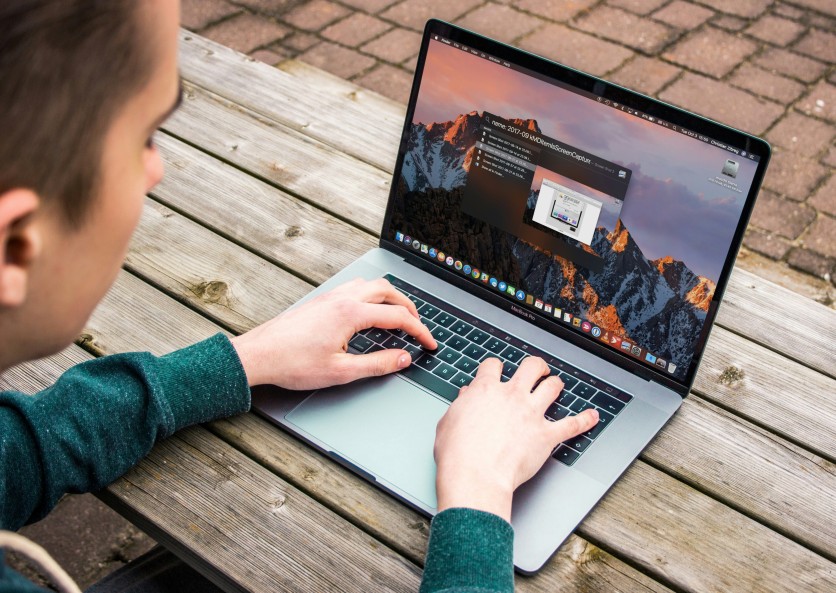
MacBook keyboard rumors are once again gaining traction as Apple prepares its next major hardware cycle. After years of refining the Magic Keyboard and quietly retiring the Touch Bar, speculation suggests Apple may be rethinking both decisions at the same time. The result could be a redesigned MacBook that blends proven physical keys with smarter, adaptive controls.
Apple Touch Bar return discussions are no longer driven by nostalgia alone. Reports point to a broader MacBook redesign that prioritizes ergonomics, efficiency, and flexibility, especially for professional users. If these changes materialize, Apple's keyboard strategy may shift from "one-size-fits-all" to something far more modular and intelligent.
What Are the Latest MacBook Keyboard Rumors?
MacBook keyboard rumors indicate Apple is continuing to refine its scissor-switch Magic Keyboard rather than reinventing it entirely. Sources point to deeper key travel—around 1mm more than previous generations—paired with improved dome geometry for faster, more consistent typing. This approach builds on the reliability gains Apple achieved after abandoning the butterfly mechanism.
Another major rumor focuses on haptic integration beneath individual keys. Instead of relying purely on mechanical feedback, Apple may introduce Force Touch–style haptics to simulate stronger actuation without increasing keyboard thickness. This would allow Apple to maintain slim designs while improving tactile response.
Additional leaks suggest per-key backlighting enhancements and smarter firmware integration with macOS. Context-aware shortcuts, adaptive brightness zones, and gesture-based keyboard interactions could make typing feel more fluid without overwhelming users with complexity.
Will Apple Bring Back the Touch Bar?
Apple Touch Bar return speculation has resurfaced due to recent patents and interface mockups tied to macOS updates. Rather than reviving the original Touch Bar unchanged, Apple appears to be testing a redesigned OLED strip that works alongside physical function keys instead of replacing them. This hybrid approach directly addresses one of the biggest complaints from power users.
The rumored Touch Bar 2.0 would include haptic feedback, making virtual buttons feel closer to real keys. Integration with Apple Silicon could allow the Touch Bar to adapt in real time, surfacing controls for apps like Logic Pro, Final Cut Pro, or Xcode only when they are relevant.
Importantly, leaks suggest the Touch Bar may become optional through software toggles. Users who prefer traditional keys could disable dynamic features, while professionals could customize workflows extensively. This flexibility may finally reconcile innovation with usability.
MacBook Redesign Features Expected
MacBook redesign rumors suggest Apple is planning broader structural changes, not just minor keyboard tweaks. The goal appears to be improving comfort, thermals, and efficiency without compromising durability. These changes point toward a more refined balance between thin design and long-term performance.
- Thinner chassis designs, potentially as slim as 11mm, achieved through improved aluminum machining and internal reinforcement
- Slimmed keyboard deck that still accommodates larger haptic engines for better tactile feedback
- Notchless Liquid Retina XDR displays with reduced bezels, freeing vertical space for improved palm rests and typing angles
- Testing of under-display biometric sensors that could eventually replace current Touch ID solutions
- Expanded vapor chamber cooling beneath the keyboard to spread heat evenly and maintain fan noise below 25 dB
- Improved thermal consistency during sustained workloads, enhancing user comfort and performance stability
Pros and Cons of a Touch Bar Return
The Apple Touch Bar return is being discussed as a more refined, flexible solution rather than a full replacement for physical keys. Apple appears to be addressing earlier criticism by rethinking how dynamic controls fit into real workflows. A hybrid approach could balance innovation with usability.
- Highly programmable OLED strip enabling custom shortcuts for creative apps, coding tools, and multitasking
- Machine learning–driven layouts that surface commonly used controls and reduce repetitive key combinations
- Potential productivity gains for professional users who rely on app-specific commands
- Ongoing concerns over OLED burn-in, especially for static UI elements like battery or system indicators
- Preference among some users for physical keys due to muscle memory and tactile certainty
- Hybrid design combining physical keys with optional dynamic controls to satisfy both traditional and power users
Impact on Performance and Battery Life
MacBook redesign efforts are expected to focus on internal efficiency rather than visual changes alone. Apple appears to be optimizing component layouts to unlock better performance and longer battery life. These refinements align closely with Apple Silicon's efficiency-driven architecture.
- Revised keyboard PCB layouts that free internal space for larger batteries or expanded unified memory
- Potential shift to 16GB unified memory as a base configuration, improving long-term performance headroom
- More power-efficient Touch Bar hardware drawing as little as 2 watts during active use
- Dynamic refresh behavior on OLED keyboard components to reduce idle power consumption
- Integration with Apple Silicon efficiency cores to minimize thermal and battery impact
- Possible use of LTPO-style technology in keyboard displays, enabling future MacBooks to approach or exceed 24 hours of real-world battery life
Conclusion
MacBook keyboard rumors suggest Apple is entering a more thoughtful design phase rather than chasing radical reinvention. By refining key travel, introducing haptics, and reconsidering adaptive controls, Apple appears focused on long-term usability rather than short-term novelty.
The potential Apple Touch Bar return, paired with a broader MacBook redesign, signals a shift toward choice and flexibility. If executed well, Apple could finally balance innovation with familiarity, delivering keyboards that feel modern without alienating loyal users.
Frequently Asked Questions
1. Will the Touch Bar replace physical function keys again?
Current MacBook keyboard rumors suggest Apple will not fully replace physical keys. Instead, the Touch Bar is expected to work alongside them in a hybrid layout. This approach gives users both tactile reliability and dynamic controls. Software toggles may allow users to customize or disable features entirely.
2. Why did Apple remove the Touch Bar in the first place?
Apple removed the Touch Bar largely due to mixed feedback from professional users. Many found it less reliable than physical keys for muscle memory–based workflows. Lack of third-party optimization also limited its usefulness. A redesigned version aims to solve these issues.
3. Will the new MacBook redesign affect typing comfort?
Early leaks suggest typing comfort may actually improve. Deeper key travel and refined scissor mechanisms could reduce fatigue. Haptic feedback may also provide clearer actuation cues. Apple appears focused on ergonomics rather than extreme thinness.
4. When could these MacBook changes launch?
Most MacBook keyboard rumors point toward the M5 MacBook Pro generation. This places a potential launch window within the next major MacBook refresh cycle. Apple is likely testing these features internally before committing. Official confirmation has not yet been made.
ⓒ 2026 TECHTIMES.com All rights reserved. Do not reproduce without permission.


