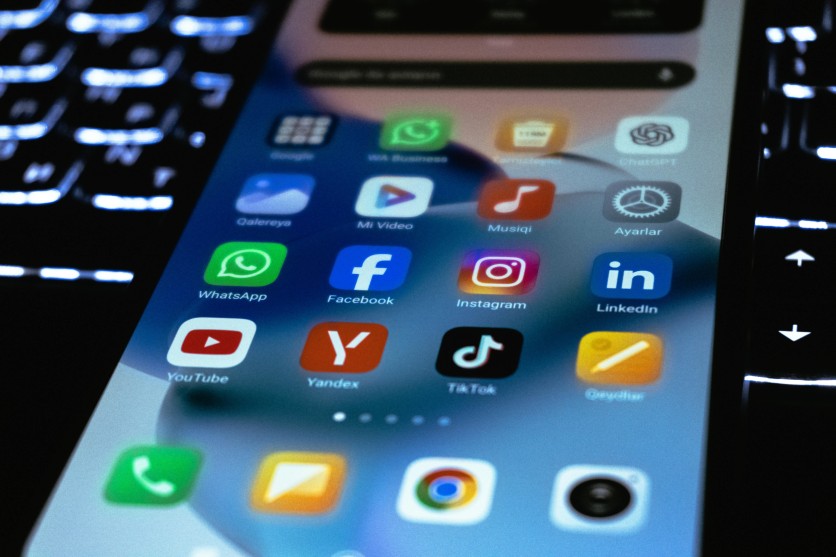
Social media algorithms determine what billions of users see daily, yet most creators barely scratch the surface of how they operate. Platforms prioritize content ranking using engagement metrics, relevancy signals, and user behavior patterns to serve posts that retain attention. Understanding these systems helps creators craft content that reaches wider audiences without relying solely on timing or followers.
Each platform uses its own predictive models, filtering thousands of posts into highly personalized feeds. Instagram weighs saves and comments, TikTok emphasizes watch time, while Facebook considers relationships and trust scores. Knowing these nuances empowers users to optimize visibility, increase engagement, and strategically grow audiences over time, all while keeping content relevant and authentic.
Instagram's Social Media Algorithm Explained
Instagram's social media algorithm explained works through multi-stage filtering that gathers posts from followed accounts, scores roughly 500 posts using machine learning predictions, and ranks them according to expected engagement. Content ranking favors Reels most heavily, followed by carousels and Stories, while saves count three times more than likes in determining reach.
Key signals include watch time, where videos retaining viewers for at least 70% of duration rank twice as high. Intent prediction draws on cross-platform behavior from Threads or Facebook to forecast interest. Relationships matter too—posts from frequent DMs or interactions get priority. Recency still plays a role, with newer posts edging older content, while evergreen saves sustain long-term visibility. Audio trends and original sounds amplify reach by roughly 40%, but hashtag stuffing can reduce ranking when AI flags irrelevant usage.
Facebook and TikTok Content Ranking Mechanics
Facebook's content ranking uses inventory from connections, groups, and pages, scoring posts on type, timing, and demographics. The algorithm predicts which posts users are likely to like or comment on, while "close friends" interactions weigh five times more than those from casual acquaintances. Active community content in groups is prioritized, and AI-generated summaries help highlight the clearest posts.
TikTok accelerates virality through testing videos on a small user sample—if more than 50% of viewers watch beyond 5 seconds, content expands to larger audiences. Content ranking hinges on completion rates, shares, and duets, while trends and audio boosts amplify reach 60%. User-specific watch histories personalize the For You Page despite the short half-life of viral content, typically around 48 hours.
Twitter/X and LinkedIn Algorithm Factors
Twitter/X ranks content based on recency, engagement, and media richness, combining machine learning signals like keyword relevance, hashtags, and interactions. Profile visits, taps, and follower behavior predict content resonance, while downvote penalties reduce the reach of low-quality or brigaded posts.
LinkedIn emphasizes professional relevance and discussion quality. Content ranking favors thoughtful comments over emojis, and posts from strong network connections get priority. Carousel PDFs, native videos, and rich media outperform plain text threefold. Posting during peak engagement windows, like weekdays from 9–11 AM, can significantly increase early traction and boost long-term visibility.
Advanced Tips for Mastering Content Ranking
Optimizing content ranking means more than posting—it requires strategy, testing, and understanding each platform's signals. Small adjustments like format, timing, and engagement tactics can significantly increase visibility. By combining analytics with platform-specific insights, creators can sustain reach and grow audiences efficiently.
- Post natively: Upload content directly to each platform instead of using external links, which can reduce visibility by up to 30%.
- Use engaging formats: Carousels hold attention longer than single images, increasing dwell time and ranking potential.
- Encourage interaction: Ask questions in captions or prompts to boost comments up to four times more than standard posts.
- Analyze engagement metrics: Look for engagement rates above 10% as a strong indicator of content quality.
- A/B test hooks: Test the first three seconds of videos or opening lines to maximize viewer retention.
- Experiment regularly: Vary posting times, captions, and formats to adapt to evolving algorithm behavior.
- Combine strategies: Integrate all methods with platform-specific nuances for sustained reach and consistent visibility.
Decoding Social Media Algorithms for Maximum Reach
Understanding social media algorithms explained and content ranking mechanics transforms casual posting into strategic engagement. Creators who optimize for watch time, interaction quality, and relevance gain visibility without paid promotion. Cross-platform awareness allows adaptation to each platform's predictive signals.
By integrating data-driven strategies, leveraging trends, and prioritizing meaningful engagement, users can maximize reach while maintaining authenticity. Regular monitoring of performance insights helps refine approaches over time, ensuring content remains effective as algorithms evolve. Mastering these mechanisms equips creators, businesses, and marketers to achieve sustained growth in the ever-changing social media ecosystem.
Frequently Asked Questions
1. What does "social media algorithm explained" mean?
It refers to the methods platforms use to prioritize and rank content for users. Algorithms analyze engagement, recency, and user behavior to predict what users want to see. Each platform has unique signals, such as watch time or shares. Understanding this helps tailor posts for better visibility.
2. How can I improve my content ranking on Instagram?
Focus on Reels and carousels, prioritize saves over likes, and encourage comments. Use original audio trends and post when followers are active. Avoid irrelevant hashtags or spammy practices. Regular engagement and responding to comments boosts ranking further.
3. Why is TikTok content ranking different from Facebook?
TikTok tests videos on small audiences first, expanding reach based on completion and engagement rates. Facebook relies more on relationships, trust, and group activity. TikTok trends fade faster, while Facebook can sustain visibility through shares and active communities. Personalization on both platforms uses behavioral data differently.
4. Can I manage multiple platforms efficiently for better ranking?
Yes, using scheduling tools and native posting helps maintain consistent activity. Analyze each platform's metrics to adjust content strategy. Repurposing high-performing content across channels is effective. Monitor engagement trends regularly to optimize for evolving algorithms.
ⓒ 2026 TECHTIMES.com All rights reserved. Do not reproduce without permission.


