
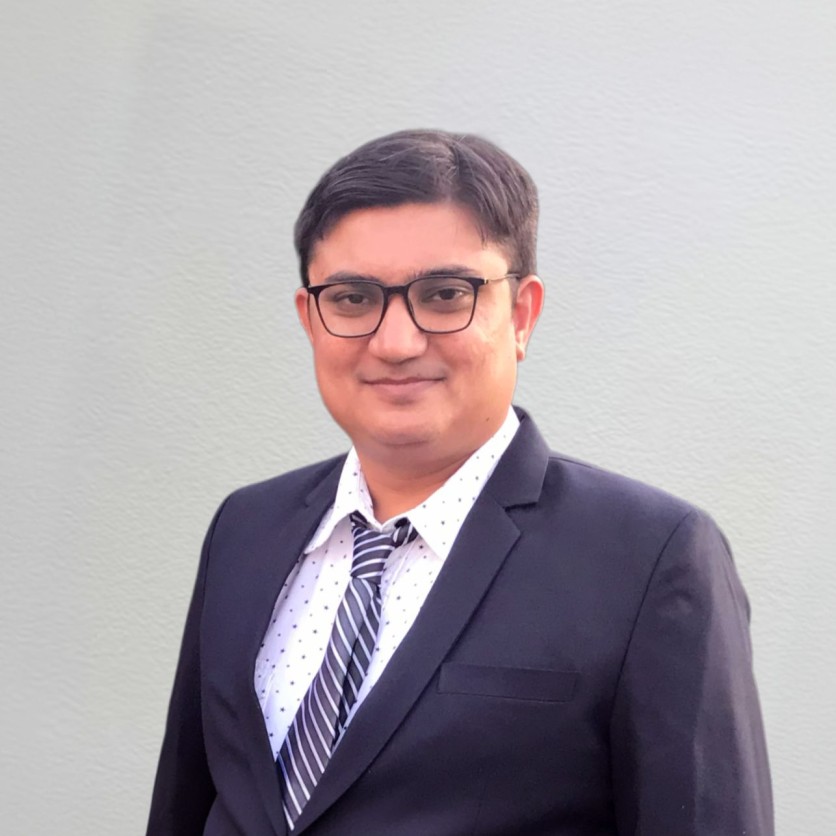
The electronic systems have gradually become the backbone of various sectors such as industrial production, medical technologies, scientific instruments, and energy production. Hence, reliability is now viewed as a key determinant for both operational stability and regulatory trust rather than a secondary issue. In these sectors, engineers' decisions lead to system continuity, safety, and service availability in the long run. Within this context, Milan Laghubhai Mangukiya has developed a long-term record of engineering contributions aimed at the performance, reliability, and lifecycle stability of electronic systems, particularly in industrial and energy-related applications.
Mangukiya's electronics design is not just a matter of technical proficiency, but a consideration of the post-deployment system's mode of operation. He is aware that electronics will have to endure environmental and operational stress, and he is also imagining the real-world service-like situation. His engineering contributions are tackling, at the system level, the failure risk, maintenance, and reliability, which are the very factors that become of critical importance once electronics go into operational environments that are under regulatory and performance expectations. This prioritization draws the attention of his work to the sectors where reliable electronic infrastructure is a prerequisite for industrial continuity, safety compliance, and resilience in operations over the long term.
Since 2015, Mangukiya has served as an Electronic Engineer at Innovative Electronics Corporation in Pennsylvania, where his work has involved the design, evaluation, and modification of electronic systems used in commercial, industrial, medical, military, and scientific contexts. These applications operate under strict performance and safety expectations, requiring engineers to address not only initial design requirements but also long-term operational risks, which only a handful of exceptionally talented individuals can do.
Mangukiya does not consider system design to be merely a technical exercise but rather a triad of performance, durability, and real-world constraints that significantly impact industrial operations. His activity is converting functional requirements into electronic systems that are able to work under environmental stress, cost limitations, and service cycles, which are common in regulated U.S. industrial and energy environments, also reliable.
He has contributed to the improvement of system behavior after being deployed by identifying design weaknesses in advance and making targeted circuit-level modifications—this is an outcome that supports operational continuity and risk reduction in critical technology sectors. This technique demonstrates not just mastery of but also proactive use of analog and digital electronics, control systems, and embedded platforms applied with an insight into electronic reliability that affects the broader industrial performance and compliance expectations.
Milan Mangukiya is also recognized for his contributions to embedded systems, smart electronics manufacturing, and Industry 4.0 technologies. His research has been published in Q1 international journals and IEEE conferences, including "Smart Hospital Robot with Embedded Sensors for Automated Patient Data Logging to EMR Systems" (IJASIS, Jan 2026) and IEEE papers on AI-driven manufacturing optimization and intelligent alert evaluation systems. He is associated with the book "Smart Electronics Production: AI, Machine Vision, and Industry 4.0 in PCB, Harness, and System Integration" (ISBN: 978-81-993653-8-4), available on Amazon in paperback and Kindle formats (https://www.amazon.com/dp/8199365382, https://www.amazon.com/gp/aw/d/B0GGT8X2BB)
Milan Mangukiya also holds a UK design registration titled "Intelligent Process Optimization Computer Architecture for Adaptive Electronic Manufacturing Workshops," validating the originality and industrial applicability of his innovation. In the industry, he led the High Volume Programmers project at Innovative Electronics Corporation (USA), delivering measurable cost reduction and efficiency gains in high-volume production. He further shared his expertise as a Keynote Speaker at the International Conference CASH 4.0 – 2025, speaking on the integration of embedded electronics in next-generation smart devices. His session emphasized real-world applications, cross-disciplinary relevance, and the impact of embedded electronics on modern digital ecosystems. (Registration No.: EDX/ERU/CASH/2025/KS/1020).
A distinguishing aspect of Mangukiya's professional record is his repeated involvement in failure analysis and corrective engineering. Rather than addressing electronic malfunctions at a superficial level, his work has focused on identifying root causes of component and system failures, evaluating how environmental and service conditions affect electronic behavior, and recommending design or repair modifications to prevent recurrence.
At Innovative Electronics Corporation, Mangukiya has inspected electronic equipment and systems to verify compliance with safety standards and applicable regulations. He has developed maintenance and testing procedures for electronic components and equipment, contributing to more consistent system behavior over time. His recommendations regarding whether to repair, redesign, or replace components have required independent technical judgment and a deep understanding of system-level interactions, indicating a level of responsibility beyond routine engineering execution.
The very foundation of Mangukiya's globally significant contributions has been his know-how in embedded systems and microcontroller programming. He has worked on designing and modifying the electrical features that are used in the components and systems to enhance their technical performance. This often necessitates the alignment of hardware design, firmware behavior, and system testing.
His skills in the use of simulation tools, hardware debugging, and prototyping have played a critical role in the successful implementation of electronic systems in various applications. The above-mentioned efforts have helped to greatly reduce uncertainties during integration and testing stages, thus supporting predictable project outcomes. His technical reporting has allowed the cross-functional teams to grasp the intricate electronic problems and take informed decisions regarding the solutions, thereby solidifying his position as the technical authority within the project teams.
In addition to technical design, Mangukiya's work has had operational implications as well. He has managed vendor relationships to source electronic components that meet performance and quality requirements while remaining cost-effective. This aspect of his role required evaluating components not only for immediate functionality but also for long-term reliability and suitability under specific operating conditions.
By recommending design modifications or repairs based on system capabilities and service environments, Mangukiya has contributed to improved resource utilization and reduced unnecessary replacement costs. His hands-on work repairing printed circuit boards, replacing defective components, and adjusting circuitry has enabled the timely resolution of issues that could otherwise delay project delivery or disrupt operations.
Prior to his current role, Mangkutiya was involved in the engineering of renewable energy and electronics manufacturing, where system reliability had a direct impact on the operation's viability. He was engaged in the development of solar electronic systems for the power supply and had to deal with electrical architecture design for efficiency, compliance, and long-term performance in energy infrastructure issues. In the manufacturing environment, he addressed recurring electrical failures that affected production and the quality of the output.
By introducing structured troubleshooting and automated testing, he was able to reduce the quality variability and improve the consistency of the electronic assemblies. His technical decision not only guided the engineering teams in their reliability issues but also indirectly helped in setting new, higher execution standards and creating more stable and resilient production environments throughout the development cycles by gradually improving them with each development cycle.
With the increase in the use of complex electronic systems in industrial operations, energy infrastructures, and regulated technologies, the issue that many organizations now face is not whether the systems will work but whether they can be relied upon to work for a long time. A big part of Mangukiya's research is conducted for this purpose—dealing with reliability and failure risks that can be encountered only when electronic devices move from being designed to continuous, real-world use. Engineers working with projects and colleagues depend on this type of engineering not for gradual improvements but to bring stability to systems whose performance is critical for operations, safety standards, and long-term service agreements. Mangukiya's scientific work, by portraying how electronic systems mature, are subjected to stress and eventually fail in a realistic manner, reduces the level of uncertainty in situations where dependability is a must.
ⓒ 2026 TECHTIMES.com All rights reserved. Do not reproduce without permission.


