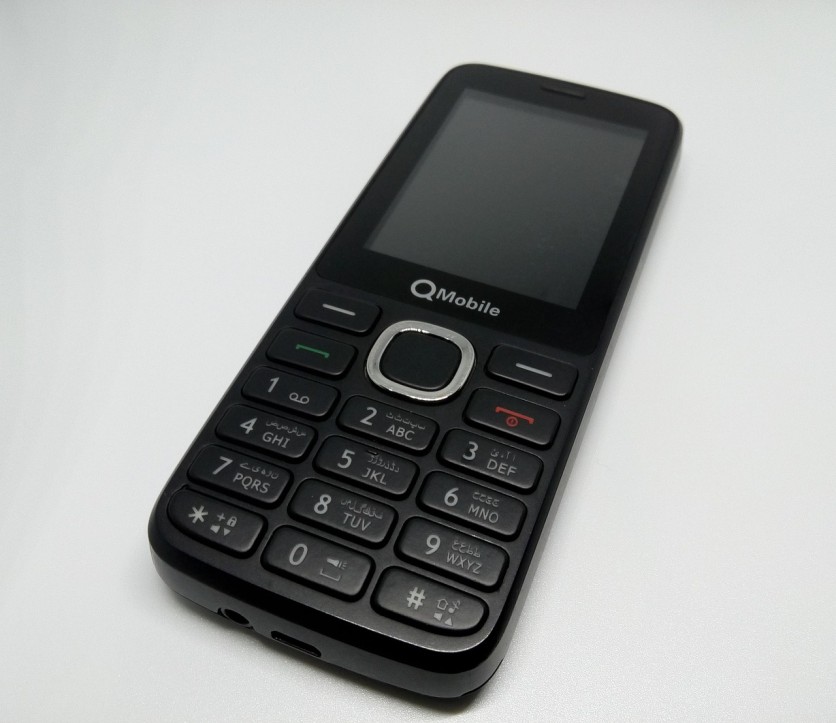
HMD Global is bringing artificial intelligence tools and built-in digital wallets to its next generation of "smart feature phones," aiming to give older users and people in areas with poor connectivity access to modern services without needing a full smartphone.
At Mobile World Congress 2026 in Barcelona, HMD outlined a new services-first strategy for its feature phone lineup, centered on three additions: a digital wallet, an AI assistant and richer communication tools.
The digital wallet will debut in India in the first half of 2026, with wider rollout planned later in the year. HMD says the wallet will let users receive money, store funds on the device, send remittances to family members and cash out through local payment systems, including transfers to UPI accounts for everyday purchases, according to Tom's Guide.
The company is working with fintech firm Kivi3 and blockchain infrastructure provider Polygon Labs to add security and settlement features, including PIN protection and device‑level safeguards for offline or low-connectivity scenarios.
The push into payments builds on HMD's earlier work with offline central bank digital currency (CBDC) pilots in India, where it partnered with IDEMIA and Airtel Payments Bank to test digital rupee transactions on feature phones.
That project used an offline layer so transactions could be completed without real‑time internet access, targeting the hundreds of millions of Indians who still use basic phones. Together, these initiatives show HMD positioning its devices as gateways to digital money for users who have been left out of smartphone‑centric payment ecosystems.
Alongside payments, HMD plans to add an AI assistant to selected feature phones to help with common tasks through voice commands. Users will be able to place calls, set alarms, turn on the flashlight and ask simple questions without navigating complex menus, which can be difficult for first‑time or older users.
In India, HMD has also announced a partnership with local firm Sarvam AI to bring a real‑time, multilingual AI chatbot to Nokia and HMD feature phones, giving access to AI tools in local languages on devices that cost as little as a basic 2G or 4G handset. HMD says this approach allows people to talk to AI in their own language without needing a laptop or high‑end smartphone, Gadgets360 reported.
To make communication more modern, HMD is introducing Xpress Chat, an app that will bring video calls, voice messages, photo sharing and group chats to compatible feature phones.
Video calls will work between supported feature phones and smartphones running the same app, further narrowing the gap between basic devices and standard Android handsets. HMD is also piloting AI companionship services for seniors with partner inTouch, offering slower speech, memory of personal context and one‑button access to conversations tailored to older adults.
Together, these moves suggest that HMD sees "smart feature phones" as a bridge product, giving offline and older users safe entry points into digital payments and AI‑powered services without forcing them into expensive, fragile smartphones, as per Nokia Mob.
ⓒ 2026 TECHTIMES.com All rights reserved. Do not reproduce without permission.


