Apple is under growing regulatory pressure in Brazil as authorities intensify their investigation into the company's control over iPhone NFC technology.
The Brazilian competition watchdog, CADE, has set a deadline at the end of March for the iPhone maker to respond to concerns about potential anticompetitive practices related to contactless payments.
Why Apple's NFC Policies Are Under Review
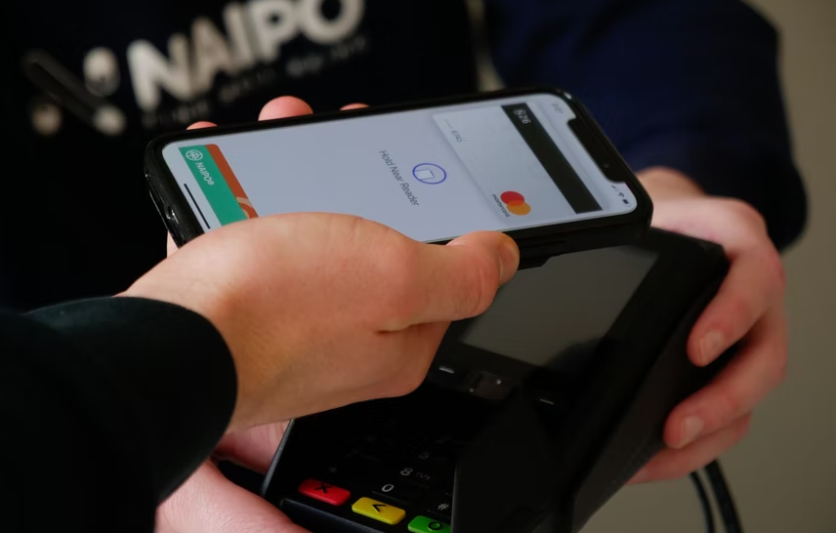
The investigation began after Brazil's central bank and banking association raised alarms that Apple may be restricting third-party access to the iPhone's NFC capabilities.
9to5Mac reports that regulators are examining whether Apple's policies favor its own payment system, Apple Pay, while limiting competitors' opportunities to offer similar services.
Apple has defended its approach, stating that Brazilian law permits it to charge fees for its services. The company also noted that it holds a relatively small share of the local smartphone market and has allowed third-party NFC access since 2024.
CADE Demands Greater Transparency
Despite Apple's defense, CADE remains unconvinced. The agency recently issued a formal notice requesting detailed information about Apple's fees, technical requirements, and developer agreements in Brazil.
PIX and Contactless Payments
According to Folha de S. Paulo via MacMagazine, a key aspect of the investigation involves PIX, Brazil's widely used instant payment system. While the central bank has enabled contactless PIX transactions, Apple has declined to support this feature on iPhones, arguing that most users continue to rely on QR code payments.
Regulators, however, view the lack of contactless PIX support as a potential limitation that could stifle competition and innovation in Brazil's digital payments market.
Potential Regulatory Implications
Authorities are also considering whether Apple should be classified as a "Payment Transaction Initiator," a designation that would require broader interoperability and open access to its systems. Apple appears to be resisting this classification, which could bring stricter regulatory obligations.
With the March deadline approaching, Apple's time to respond is becoming shorter.
The dispute between Apple and Brazil has been ongoing for years. In 2022, the Brazilian government stopped the sales of chargerless iPhones.
ⓒ 2026 TECHTIMES.com All rights reserved. Do not reproduce without permission.


