Apple may avoid significant iPhone 18 price hikes even as rising memory and storage costs continue affecting the global smartphone industry.
While many analysts expect flagship devices to become more expensive over the next few years, recent reports suggest the Cupertino giant could take a more calculated approach compared to competitors such as Samsung.
Apple Reportedly Considering Aggressive Pricing Strategy
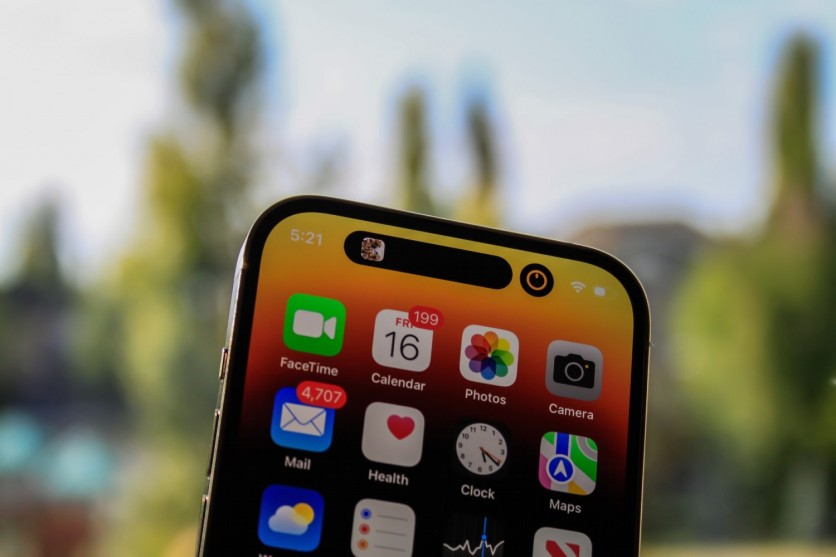
According to recent analyst reports, Apple is exploring an "aggressive pricing strategy" for the upcoming iPhone 18 Pro lineup. Instead of immediately increasing the base price of its flagship devices, the company could absorb a portion of rising component costs to remain competitive in the premium smartphone market.
Industry insiders believe Apple may preserve the starting prices of its next-generation iPhone models while shifting higher costs toward premium storage tiers, accessories, and optional services.
According to 9to5Mac, the strategy would allow the company to maintain appealing entry-level pricing while generating stronger profit margins through higher-capacity storage configurations and add-on purchases.
Samsung recently adopted a somewhat similar strategy with its Galaxy S26 lineup by adjusting pricing across selected models while keeping the Ultra variant relatively stable.
Maintaining consistent headline pricing could also help Apple strengthen launch demand and improve consumer perception during release season.
Apple's Services Revenue Provides Financial Flexibility
Google's recent Pixel pricing strategy may offer insight into Apple's possible direction. Despite increasing chip and memory costs, Google has continued aggressively discounting Pixel smartphones to attract users into its broader ecosystem of cloud services and AI products.
Apple operates from a similar position due to the rapid growth of its services business. During the company's latest quarterly earnings report, Apple generated nearly $31 billion in services revenue, representing a major portion of overall profits, according to Forbes.
This additional revenue stream gives Apple more flexibility to manage rising hardware costs without immediately passing the full burden onto consumers.
Memory Shortages Still Pose Long-Term Risks
Although Apple may delay noticeable price increases for now, analysts continue warning about long-term supply challenges.
Industry forecasts suggest memory shortages and rising DRAM and SSD prices could persist through 2027, potentially increasing manufacturing costs for future smartphones.
As a result, Apple may eventually introduce indirect price increases through expanded storage options, bundled subscriptions, or accessory pricing instead of raising the base cost of the iPhone itself.
In other news, an iPhone 18 Pro rumor report suggested that the tech titan was struggling with the under-display Face ID. However, it was mentioned that Dynamic Island may stay.
ⓒ 2026 TECHTIMES.com All rights reserved. Do not reproduce without permission.


