Many long-running video game series continue to expand with sequels and remakes, yet certain entries remain the ones players return to most often. Across different game franchises, some classic games stand out because they offer stronger pacing, deeper immersion, or more balanced gameplay that still feels rewarding years later. These iconic video games often become the standard by which the rest of the series is judged.
Even as newer titles arrive, fans continue revisiting older entries because of their replayability, atmosphere, and lasting emotional connection. Many of these fan-favorite games are considered evergreen games, staying relevant long after release. In many cases, the most nostalgic titles are not just remembered—they are actively played again and again.
Top 10 Games Fans Keep Returning To
Many video game series continue to grow with new releases, but some older entries still hold a special place in the hearts of players. These game franchises often have classic games that fans return to because of their replayable games design, strong gameplay balance, and lasting appeal. Over time, these iconic video games become fan-favorite games that define the entire series and stay relevant long after newer titles arrive.
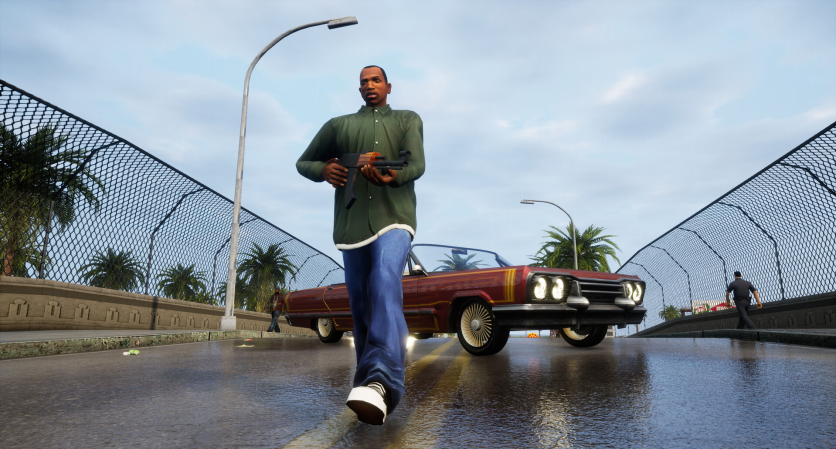
- "GTA San Andreas" – A defining open-world experience with freedom, humor, and exploration that still makes it one of the most replayable games in its franchise. It remains a benchmark for sandbox design and player freedom even compared to newer releases.
- "Fallout: New Vegas" – Known for deep choices and branching storylines, it remains one of the most iconic video games in role-playing history. Its decision-driven gameplay continues to inspire discussions among RPG fans today.
- "Need for Speed: Most Wanted" – A fast-paced racing classic loved for its chase system and simple, addictive gameplay loop. Many players still return to it for its unmatched sense of speed and police pursuit intensity.
- "Assassin's Creed IV: Black Flag" – A pirate-themed adventure with naval combat and exploration that many fans still consider the peak of the franchise. Its open-sea gameplay remains one of the most memorable experiences in the series.
- "Call of Duty: Black Ops II" – A balanced multiplayer experience with strong competitive appeal and memorable futuristic gameplay. It is still frequently revisited by fans for its tight map design and replayable matches.
- "Halo 3"– A legendary shooter praised for its multiplayer maps, tight combat, and cooperative gameplay experience. It helped define console FPS gaming with its long-lasting community support.
- "Resident Evil 4" – A survival horror milestone that blends action and tension in a way few titles have matched since. Its influence can still be seen in many modern horror and action games.
- "Counter-Strike 1.6" – A simple yet highly competitive shooter that remains popular for its pure mechanics and skill-based gameplay. It continues to be played in competitive communities even after newer versions.
- "Monster Hunter: World" – A polished cooperative experience where hunting massive creatures remains endlessly engaging. Its progression system keeps players invested for hundreds of hours.
- "NBA 2K14" – A sports game remembered for its smooth gameplay, presentation, and strong nostalgic value among fans. Many consider it one of the most balanced entries in the basketball series.
Why Fans Return To Older Franchise Favorites
Older entries in many video game series often stay popular because they represent a balanced version of gameplay, story, and design that later titles don't always replicate. While newer releases may improve graphics or add systems, many players still prefer the focus and simplicity found in classic games that feel complete and satisfying on their own.
Nostalgia also plays a powerful role in why fans revisit these game franchises. Many players associate these iconic video games with personal memories, making the experience more emotional than purely mechanical. On top of that, strong replay value keeps these fan-favorite games alive long after newer titles take the spotlight.
What Makes A Game Stay Timeless
Timeless replayable games usually succeed because they offer clear mechanics, strong pacing, and memorable worlds that remain enjoyable even years later. When a game captures a strong identity, players are more likely to return to it instead of relying only on newer entries in the same video game series.
Community support also helps extend the life of many classic games. Mods, online servers, speedruns, and ongoing discussions keep these game franchises active long after release. In many cases, these evergreen games remain relevant because fans continue to engage with them in creative ways.
The Games Fans Return To Still Shape Gaming Culture
The most enduring iconic video games are often not the newest releases but the ones that define entire video game series for years to come. Titles like "GTA San Andreas", "Fallout: New Vegas", and "Resident Evil 4" remain heavily played because they combine strong design, emotional impact, and high replayability across major game franchises.
These evergreen games continue to influence how new titles are designed and remembered. For many players, the most replayable games are not just entertainment—they are lasting benchmarks that shape expectations for future releases.
Frequently Asked Questions
1. Why do players keep returning to older games instead of new releases?
Many players prefer older games because they offer more balanced gameplay and stronger emotional connection. Classic games often feel more focused compared to newer, feature-heavy releases. Nostalgia also plays a big role in replaying fan-favorite games. This combination keeps them relevant for years.
2. What makes a game part of an evergreen video game series?
Evergreen games usually have strong replay value, memorable design, and active community support. These qualities help them stay enjoyable long after release. Many iconic video games remain popular because they continue to offer engaging gameplay. Longevity is driven by both quality and fan engagement.
3. Are newer games better than classic games in the same franchise?
Not always, since newer titles often improve graphics but may change gameplay style. Some fans prefer the mechanics and pacing of earlier entries in a video game series. Classic games are often seen as more focused experiences. Preference usually depends on personal taste.
4. Why are some game franchises defined by older titles?
Older entries often establish the core identity of a franchise before later changes occur. These games become benchmarks for gameplay and storytelling. Many replayable games from earlier eras remain fan favorites because they feel more consistent. They often shape how the entire franchise is remembered.
ⓒ 2026 TECHTIMES.com All rights reserved. Do not reproduce without permission.


