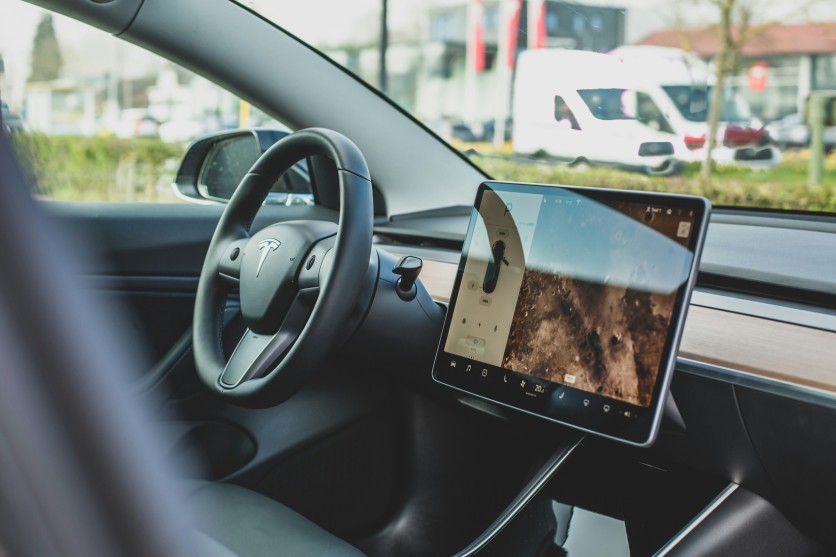
AI copilots are becoming a key part of modern electric vehicles as AI in EVs continues to evolve beyond simple voice commands into full driving support systems. These tools can assist with navigation, charging decisions, battery optimization, and daily driving comfort through an advanced AI driving assistant. In 2026, they are increasingly seen as essential features rather than optional extras.
The role of an AI driving assistant is expanding as electric vehicles become more mainstream. Instead of only responding to commands, these systems now help plan routes, reduce energy waste, and improve safety awareness. This shift is making electric cars more intelligent, efficient, and easier to manage for everyday drivers.
Core Tasks AI Copilots Handle In Electric Cars
AI copilots in electric vehicles are designed to handle a wide range of everyday driving tasks that go beyond simple voice commands. AI in EVs help with navigation, charging decisions, energy management, and driver assistance features in real time. An AI driving assistant is becoming a central part of how modern electric cars improve convenience, efficiency, and overall driving experience.
- Smart navigation and route planning: AI copilots can choose routes based on traffic, distance, and charging station availability. This helps reduce range anxiety and improves travel efficiency for electric vehicle users.
- Charging support: An AI driving assistant can suggest optimal charging stops and timing based on battery level and route conditions. This makes long-distance EV travel more predictable and less stressful.
- Battery and energy management: AI systems monitor energy usage patterns to help maximize driving range. This improves efficiency by adjusting recommendations based on terrain, speed, and driving behavior.
- Predictive maintenance: The system can detect early signs of mechanical or software issues. This helps drivers avoid unexpected breakdowns and reduce maintenance costs over time.
- Personalized cabin settings: AI learns driver preferences like seat position, climate control, and driving modes. This creates a more comfortable and customized driving experience.
- Voice-based help: Drivers can use natural voice commands to control features without navigating menus. This improves convenience while keeping attention on the road.
How AI Improves Efficiency, Safety, And Comfort
AI in EVs improves efficiency by analyzing real-time data such as traffic flow, weather conditions, and energy usage. This allows the vehicle to adjust recommendations and reduce unnecessary energy consumption. Over time, it helps drivers get more consistent range performance.
Safety is also strengthened through an AI driving assistant that can provide alerts, monitor driver attention, and support lane awareness. While it does not replace the driver, it adds an extra layer of situational awareness that helps reduce risks during travel. These features make driving more controlled and responsive.
Comfort benefits come from reducing the number of decisions drivers need to manage manually. AI in EVs can handle route adjustments, cabin settings, and charging reminders in the background. This creates a smoother and less distracting driving experience overall.
Why AI Copilots Matter For The Future Of EV Ownership
AI copilots are becoming a standard expectation in electric vehicles as AI in EVs becomes more advanced and widely adopted. Drivers now expect systems that actively help manage range, charging, and route planning instead of relying on separate apps or manual planning tools.
An AI driving assistant also makes EV ownership simpler by reducing the technical effort needed to operate the vehicle. Tasks like finding chargers or planning efficient trips become automatic, improving everyday usability. This helps electric cars feel more accessible to a wider range of drivers.
Over time, these systems may connect directly with traffic networks, charging infrastructure, and digital services. This could allow AI in EVs to respond in real time to external conditions, making electric cars more adaptive and efficient as part of a connected transport ecosystem.
AI Copilots Are Turning EVs Into Smarter Travel Partners
AI copilots are transforming electric vehicles into more efficient and intuitive machines by improving how drivers interact with range, charging, and navigation.
The most important developments in AI in EVs include smarter route planning, charging support, predictive maintenance, and personalized assistance through an AI driving assistant. These features are making electric cars easier to use and more practical for everyday life in 2026.
Frequently Asked Questions
1. What is an AI driving assistant in electric vehicles?
An AI driving assistant is a system that helps manage navigation, charging, and driving support features in EVs. It works by analyzing data such as traffic, battery level, and driving behavior. The goal is to make driving more efficient and less stressful. It also helps reduce the need for manual planning during trips.
2. How does AI in EVs help with charging?
AI in EVs can recommend the best charging stations based on location and battery status. It can also suggest when to charge for maximum efficiency and minimal delay. This helps drivers avoid running out of power during long trips. It makes electric vehicle ownership more convenient overall.
3. Can an AI driving assistant improve safety?
Yes, it can support safety by providing alerts, monitoring attention, and improving awareness of surroundings. However, it does not replace the driver's responsibility. Instead, it acts as a support system to reduce mistakes and improve reaction time. This makes driving more controlled and informed.
4. Will AI in EVs replace manual driving control?
No, AI in EVs is designed to assist, not replace, the driver. It helps with decisions like routing, energy use, and comfort settings. Full control still stays with the human driver in most systems. The technology focuses on support rather than full automation.
ⓒ 2026 TECHTIMES.com All rights reserved. Do not reproduce without permission.


