Ever since its launch to low orbit in 1990, the Hubble Space Telescope has gifted the science community and everyone else in the world with stunning photographs of outer space.
It frequently photographs the different nebulas found in space, and one of them is the Messier 8, otherwise known as the Lagoon Nebula.
What to Know About Messier 8 or the Lagoon Nebula
According to NASA, Messier 8 was discovered in 1654 by the Italian astronomer Giovanni Battista Hodierna. It is found in the constellation Sagittarius and located 5,200 light-years from Earth. One light-year is equal to 5.88 trillion miles.
It is somewhat difficult to see it in dark skies unless aided by binoculars or small telescopes.
1997 Image
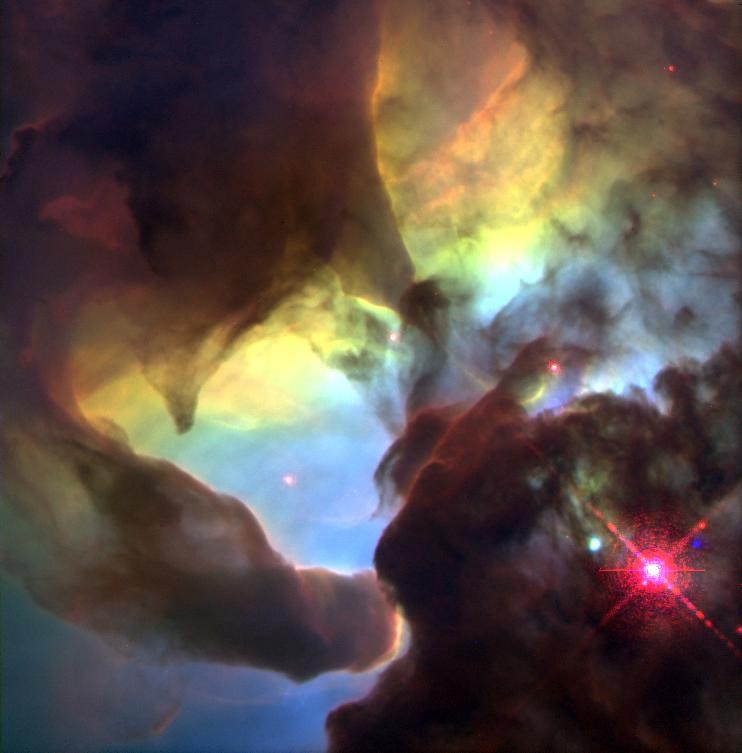
On January 22, 1997, NASA released an image of the Lagoon Nebula that shows what the agency refers to as "twisters" or "eerie funnels and twisted-rope structures."
"Analogous to the spectacular phenomena of Earth tornadoes, the large difference in temperature between the hot surface and cold interior of the clouds, combined with the pressure of starlight, may produce strong horizontal shear to twist the clouds into their tornado-like appearance," the space agency explained.
Read Also: NASA's Hubble Space Telescope Captures Incredible Image of Baby Stars Transforming a Nebula
2018 Image
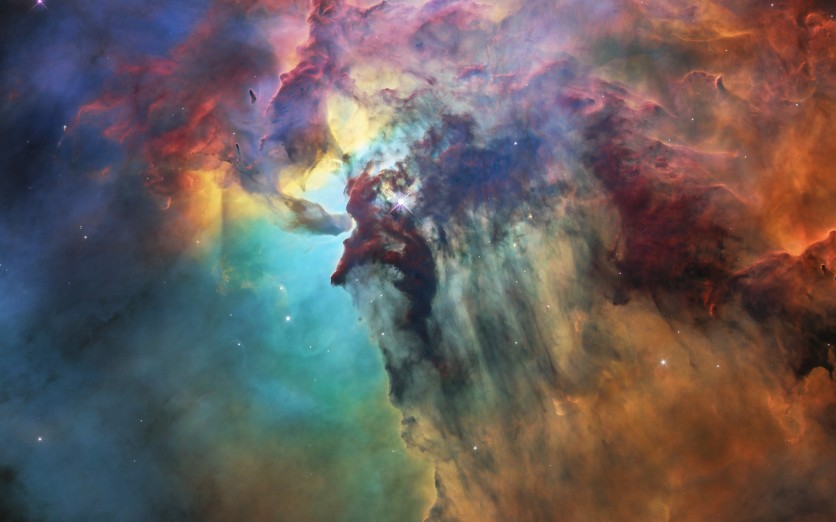
In celebration of the Hubble's 28th birthday, NASA released an awe-inspiring photo of the Lagoon Nebula which showcases what it describes as a "small part" of the nebula.
The image was taken by Hubble's Wide Field Camera 3.
Hubble Space Telescope
36 years after it was launch, the Hubble Space Telescope remains completely operational. Named after astronomer Edwin Hubble, this space telescope is one of the largest ever built by NASA with the contributions of the European Space Agency (ESA).
It is likewise the only telescope that has been designed to be maintained in space by astronauts. As of press time, five Space Shuttle missions have gone to provide repairs and upgrades to the Hubble.
Despite its long years in space, the Hubble is not meant to stay there forever. It is expected to fall back to Earth sometime between 2030 and 2040.
ⓒ 2026 TECHTIMES.com All rights reserved. Do not reproduce without permission.


