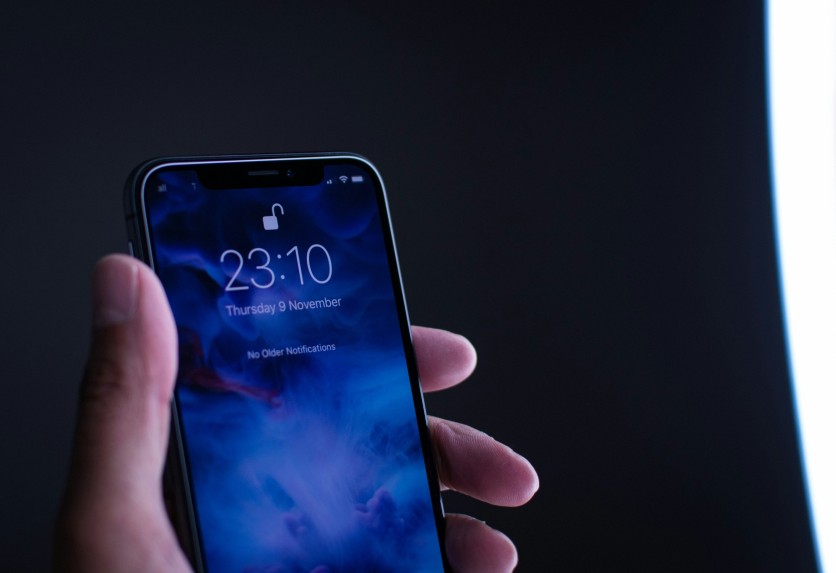
Smartphone concepts are evolving at a rapid pace, moving from experimental ideas into early-stage products that hint at how future mobile devices will function in everyday life.
Many of today's future smartphone concepts are no longer theoretical, as companies are already testing foldable designs, AI-powered assistants, and advanced display technologies. These developments suggest that next generation smartphones will look and behave very differently from the devices currently in use.
At the same time, the direction of innovation is becoming clearer, with futuristic phones focusing less on radical redesigns and more on smarter integration of hardware and software. Technologies such as AI smartphone systems, under-display cameras, and improved battery efficiency are shaping expectations for what users can realistically expect in the near future.
This makes the topic less about distant speculation and more about practical changes arriving step by step.
Smartphone Concepts That Could Arrive Soon
Future smartphone concepts are rapidly evolving as manufacturers experiment with new display, AI, and material technologies. Many of these innovations are already in development or early adoption, shaping how next generation smartphones may look and function in the near future.
- Foldable and rollable displays: Foldable screens are already entering the mainstream, proving flexible display technology is practical for everyday use. Rollable displays take this further by expanding screen size without increasing device bulk, making them ideal for multitasking, gaming, and media consumption.
- Under-display cameras: This technology hides the front camera beneath the screen, removing notches and punch holes completely. The result is a cleaner, more immersive display experience, especially for users who prefer full-screen viewing on next generation smartphones.
- Holographic or 3D displays: These experimental displays aim to project more immersive visuals that extend beyond flat screens. While still limited in real-world use, they are likely to appear first in gaming, design, and specialized professional applications.
- AI smartphone technology: AI-powered systems process tasks directly on the device instead of relying heavily on cloud servers. This enables faster performance, improved privacy, and smarter features like photo editing, translation, and predictive assistance.
- Self-healing materials: These advanced coatings can automatically repair minor scratches on the surface of devices. This helps future smartphones maintain a cleaner appearance and extends overall durability, meeting demand for longer-lasting hardware.
- Ultra-fast charging batteries Battery innovation is focused on reducing charging time while improving efficiency and safety. Future smartphone concepts may achieve full charge in just minutes, making daily use more convenient for heavy users.
- Transparent and semi-transparent designs: These experimental designs aim to blend hardware aesthetics with futuristic styling. Although still in prototype stages, they may first appear in premium devices before any mainstream adoption.
- Photonic crystal displays: Photonic crystal displays adapt to ambient light instead of emitting constant brightness like OLED or LCD screens. This improves visibility in different lighting conditions and may reduce eye strain.
- Graphene-based smartphones: Graphene is a strong, flexible, and highly conductive material that could enable ultra-thin and durable smartphone designs. It may also support flexible and transparent devices as the technology matures.
- Innovative medical apps: Smartphones are being developed into tools for health diagnostics using advanced sensors and attachments. These systems could help detect diseases faster and support real-time medical monitoring.
Read more: Nvidia AI Chip Smuggling Draws Taiwan's First Criminal Prosecution: Jensen Huang Rebukes Supermicro
Why AI And Connectivity Matter Most
Future smartphone concepts are shifting from design changes to intelligence-driven systems. An AI smartphone will process many tasks directly on the device, reducing reliance on cloud servers.
This improves speed, enhances privacy, and allows features to function even without constant internet access. For next generation smartphones, this intelligence shift may impact daily use more than physical redesigns, as automation and personalization become central to user experience.
Connectivity is equally critical as networks evolve beyond 5G. Faster speeds and lower latency will support cloud gaming, augmented reality, and real-time collaboration. Futuristic phones will also connect more deeply with wearables and smart home systems, while sustainability drives better materials and repair-friendly designs.
Which Ideas Are Most Likely To Succeed
Not all smartphone concepts will reach the market at the same pace, as some innovations are more practical than others.
Foldable screens, under-display cameras, and AI smartphone features are among the most likely to become standard in next generation smartphones because they improve usability while building on existing technology. These upgrades feel familiar to users, making them easier to adopt compared to more experimental futuristic phones that require major behavior changes.
Consumer demand, pricing, and practicality will ultimately decide which future mobile devices succeed. Features that improve everyday convenience, such as better battery life and cleaner displays, are more likely to become mainstream, while complex ideas like holographic displays may stay niche.
Even advanced smartphone concepts must remain affordable to reach wider audiences, since high costs often limit adoption. The most successful designs balance innovation with simplicity and deliver clear, meaningful improvements.
The Near Future Of Mobile Design
The most realistic future smartphone concepts focus on improving existing experiences rather than replacing them entirely. Foldable displays, under-display cameras, AI smartphone systems, and faster charging are shaping next generation smartphones by improving usability, efficiency, and convenience.
These advancements enhance what users already know, making futuristic phones feel familiar while still offering meaningful upgrades in daily performance and interaction.
The evolution of future mobile devices will likely happen in gradual stages instead of sudden breakthroughs. Each generation will introduce refinements that slowly change how people interact with technology, making progress more steady and predictable. Overall, smartphone concepts point toward devices that become smarter, more efficient, and more integrated into everyday life while still maintaining the familiar experience users rely on.
Frequently Asked Questions
1. What are the most realistic future smartphone concepts today?
The most realistic concepts include foldable phones, under-display cameras, and AI-powered smartphones. These technologies already have early prototypes or commercial versions in development. They are expected to become more refined in next generation smartphones. Their adoption is driven by clear improvements in usability and design.
2. How will AI smartphones change everyday use?
AI smartphones will handle tasks like translation, photography, and scheduling more efficiently. They rely on on-device intelligence, which improves speed and privacy. Users will experience more personalized recommendations and automation. This makes future mobile devices more adaptive to individual needs.
3. Are holographic displays likely to become mainstream?
Holographic displays are still in early development and face technical limitations. They may appear first in specialized industries like gaming or design. Widespread use in smartphones is unlikely in the near term. However, they remain an important part of futuristic phone research.
4. What will influence the success of future smartphone concepts?
Consumer demand, pricing, and practical benefits will determine success. Features that improve daily convenience are more likely to be adopted. Expensive or complex innovations may remain niche. The most successful next generation smartphones will balance innovation with usability.
ⓒ 2026 TECHTIMES.com All rights reserved. Do not reproduce without permission.


