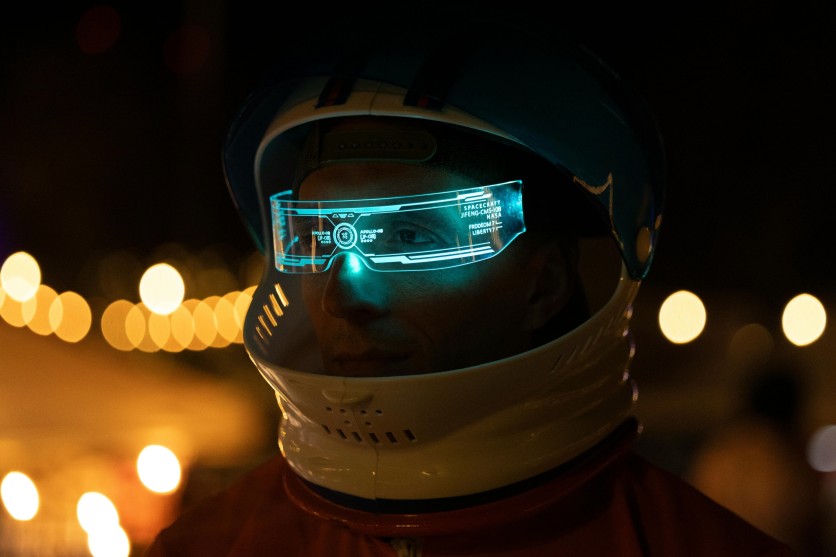
Futuristic gadgets are rapidly reshaping how people interact with digital tools, with many smart devices now designed to reduce reliance on traditional smartphones.
As wearable technology and advanced interfaces evolve, the idea of a single handheld smartphone replacement is becoming more realistic, especially as future consumer tech moves toward more seamless and invisible interaction methods. Many of these futuristic gadgets already exist in early forms, suggesting a gradual shift rather than an immediate replacement.
Instead of focusing on one device, the future may rely on connected smartphone alternatives that work together through ambient AI and intelligent systems.
This shift reflects a growing demand for hands-free, context-aware experiences that integrate naturally into daily life. As AR glasses, neural interfaces, and holographic displays continue to improve, the role of smartphones may change from a central tool to just one part of a broader ecosystem.
Futuristic Gadgets That Could Replace Phones
Futuristic gadgets are rapidly evolving into practical alternatives that could eventually take over many of the functions currently handled by smartphones. These smart devices are designed to make interaction more natural, portable, and less dependent on handheld screens. As wearable technology and intelligent systems advance, the idea of a full smartphone replacement is becoming more realistic.
1. AR smart glasses
These futuristic gadgets project navigation, messages, and notifications directly into the user's field of view. They remove the need to constantly check a phone screen and support more natural, hands-free interaction.
2. AI earpieces and voice assistants
Compact in-ear devices can handle calls, translations, reminders, and search queries using voice commands. They represent a key step toward reducing screen dependence in everyday communication.
3. Smart contact lenses
These experimental smartphone alternatives aim to display digital information directly in the user's vision. They offer an ultra-minimal interface that removes physical devices from interaction entirely.
4. Wearable bands with assistant support
Advanced wrist or arm devices can manage notifications, health tracking, and communication tasks. They act as lightweight smart devices that extend phone functionality in wearable form.
5. Brain-computer interfaces
These experimental systems may allow users to control digital devices through neural signals or thought patterns. Although still early-stage, they represent one of the most direct forms of interaction possible.
6. Holographic display devices
Portable projection systems can turn visual content into shared 3D spaces instead of flat screens. These futuristic gadgets could replace traditional viewing experiences in entertainment and communication.
7. Ambient AI home and room systems
Smart environments equipped with sensors and AI can respond to voice, motion, and context automatically. These smart devices reduce the need for a phone by handling routine tasks in the background.
Read more: Snap AR Glasses Reportedly Launching Later This Year Ahead of Android XR—But At What Cost?
Why These Devices Could Matter More Than Phones
The biggest advantage of smartphone replacement technologies is convenience, especially as devices become hands-free and always accessible. Futuristic gadgets like AR glasses and wearable technology reduce friction by removing the need to constantly unlock or hold a phone.
This makes everyday interactions faster, more natural, and better integrated into daily routines. Instead of focusing on a single screen, these smart devices aim to simplify access to information and communication.
The shift also changes how humans interact with technology, moving from touch-based input to voice, vision, gesture, and context-aware systems. Many smartphone alternatives are designed to reduce the steps between intention and action, improving usability.
Artificial intelligence connects these devices into one ecosystem, allowing wearable technology, smart devices, and ambient systems to work together seamlessly across tasks and environments.
What Still Has To Improve
While futuristic gadgets are advancing quickly, most are still not ready to fully replace smartphones in everyday use. Several important challenges must be solved before a true smartphone replacement becomes practical. These include performance limits, user comfort, privacy protection, and overall system reliability.
- Performance and battery limitations: Current smart devices still struggle with long battery life and strong processing power for all-day use. A full smartphone replacement must reliably handle communication, payments, navigation, and entertainment without performance drops.
- Comfort and usability concerns: Many wearable technology products are still developing in terms of comfort and long-term wearability. Devices must feel natural and non-intrusive before users fully adopt them as smartphone alternatives.
- Privacy and security challenges: Continuous data collection in always-on devices raises privacy risks for users. Strong encryption and transparent security systems are needed to build trust in future consumer tech ecosystems.
- Reliability and everyday consistency: Users expect smart devices to work smoothly without glitches or frequent setup issues. Consistent performance is essential before people can depend on them over traditional phones.
- Gradual adoption instead of full replacement: Most futuristic gadgets will likely replace only specific phone functions at first, such as navigation or notifications. Over time, these features may expand as devices become more advanced and interconnected.
The Next Everyday Devices May Not Look Like Phones
The most promising futuristic gadgets are those that improve daily life without relying on a traditional screen-based interface. AR glasses, AI earpieces, smart contact lenses, ambient AI systems, and holographic displays represent strong smartphone alternatives that could redefine everyday interaction.
As wearable technology and future consumer tech continue to evolve, digital access may become more natural, distributed, and integrated into the environment rather than tied to a single handheld device.
Frequently Asked Questions
1. Will smartphones completely disappear in the future?
Smartphones are unlikely to disappear completely in the near future. Instead, they may become less central as futuristic gadgets take over specific functions. Many smart devices will work alongside phones rather than fully replacing them. The transition will likely happen gradually over time.
2. What is the most realistic smartphone replacement today?
AR glasses and AI-powered wearable devices are currently the most realistic smartphone alternatives. They already exist in early forms and are improving quickly. These devices focus on hands-free communication and information access. However, they still depend on smartphones for full functionality in many cases.
3. How important is AI in future consumer tech?
AI is essential because it connects different smart devices into one system. It helps manage tasks, interpret context, and deliver personalized responses. Without AI, wearable technology and ambient systems would be less useful and more fragmented. It acts as the foundation for future smartphone replacement ecosystems.
4. What is stopping wearable technology from replacing phones?
The main challenges include battery life, privacy, comfort, and processing power. Many wearable devices are still limited in what they can do independently. Users also need reliable performance for essential tasks like payments and communication. These issues must improve before full smartphone alternatives become mainstream.
ⓒ 2026 TECHTIMES.com All rights reserved. Do not reproduce without permission.


