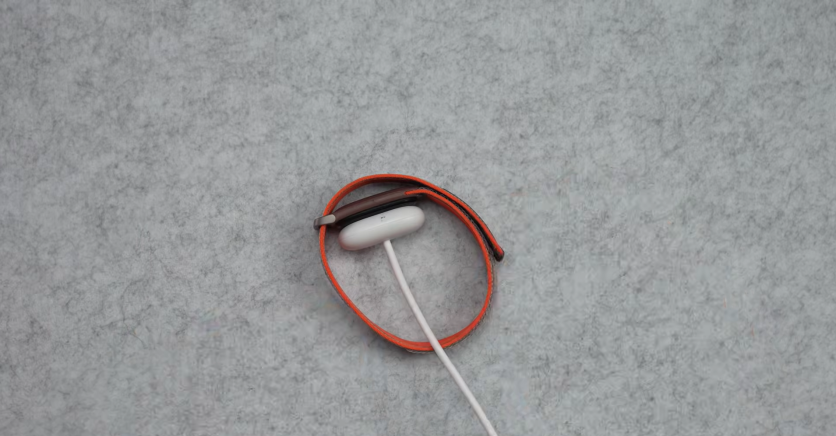
The Fitbit Air is entering the wearable market with a different approach from most fitness devices available today. Instead of adding larger screens and more smartwatch functions, the Fitbit Air focuses on lightweight comfort, health tracking, and longer battery life.
What Is the Fitbit Air?
The Fitbit Air is a minimalist wearable health tracker developed under Google's Fitbit brand. Unlike most smartwatches, it does not include a display for texts, apps, or calls. Instead, it quietly tracks health and fitness data in the background while syncing everything to the Google Health app.
Early Fitbit Air review impressions from PCMag, Wired, and Android Central suggest that the device is designed for users who want a simpler health tracker without constant notifications or distractions. Its screenless design and wellness-focused features make it stand out from traditional smartwatches.
The Fitbit Air focuses mainly on:
- sleep tracking
- heart rate monitoring
- wellness insights
- recovery tracking
- all-day comfort
Many Fitbit Air review articles describe the device as lightweight enough to wear comfortably throughout the day and night.
Fitbit Air Specs and Design
The Fitbit Air specs focus on simplicity while still offering advanced health tracking tools.
Key Fitbit Air specs include:
- Around 12 grams in weight
- Up to 7 days battery life
- 50-meter water resistance
- Continuous heart rate tracking
- SpO2 monitoring
- Skin temperature sensing
- Sleep stage tracking
- Android and iPhone support
One of the biggest highlights is the compact design. According to PCMag, the Fitbit Air feels almost invisible on the wrist because of its lightweight build.
Unlike larger fitness watches, the Fitbit Air avoids bulky hardware and focuses entirely on passive health tracking.
Fitbit Air Features Explained
The Fitbit Air features are centered around wellness instead of productivity tools. That makes it appealing for users who want a distraction-free wearable experience.
Sleep Tracking
Sleep tracking is one of the strongest Fitbit Air features. The device tracks:
- sleep stages
- total sleep duration
- overnight heart rate
- movement during sleep
The Smart Wake feature gently vibrates during lighter sleep stages to help users wake up more naturally.
Wired also noted that the lightweight design improves overnight comfort compared to larger smartwatches.
Heart Rate and Wellness Monitoring
The Fitbit Air continuously tracks heart rate throughout the day and night. It also includes heart rate variability monitoring, which helps estimate stress and recovery levels.
Other wellness tools include:
- SpO2 tracking
- skin temperature trends
- daily readiness scores
- stress insights
These Fitbit Air features are designed to provide a broader picture of overall wellness.
AI-Powered Health Insights
The Fitbit Air works with the Google Health platform, which uses AI-powered recommendations and wellness summaries.
Users can receive:
- personalized activity suggestions
- sleep improvement tips
- recovery insights
- wellness trends
Some advanced tools may require a premium subscription.
Fitbit Air Battery Life Performance
Battery life is another area where the Fitbit Air performs well. Google claims the tracker can last up to seven days on a single charge.
Several Fitbit Air review reports from Android Central and Tom's Guide found that the device delivers strong battery performance even with sleep tracking and heart rate monitoring enabled.
The Fitbit Air battery life makes it useful for:
- daily wear
- overnight tracking
- travel
- users who dislike frequent charging
Compared to many smartwatches that last only one or two days, the Fitbit Air offers a more convenient experience.
Fitbit Air vs Other Health Tracker Devices
The Fitbit Air is often compared to devices like the Oura Ring, Whoop, and Fitbit Charge 6.
Compared to those devices, the Fitbit Air stands out because of:
- its lightweight design
- screenless experience
- focus on wellness tracking
- simpler user experience
Users who want smartwatch apps, GPS tracking, or mobile payments may still prefer larger fitness watches. However, people focused on sleep, recovery, and digital wellness may appreciate the Fitbit Air's minimalist design.
Why the Fitbit Air Is Getting Attention
The growing popularity of minimalist wearables has helped the Fitbit Air attract attention in the health tech market.
According to several Fitbit Air review sources, the device works especially well for:
- sleep tracking
- recovery monitoring
- lightweight daily wear
- passive wellness tracking
Its combination of comfort, battery life, and health tracker features makes it appealing for users who want fewer distractions from technology.
Why the Fitbit Air Could Appeal to More Users
The Fitbit Air shows that wearable devices do not always need bigger screens or more apps to succeed. By focusing on comfort, wellness tracking, and battery life, it offers a different experience from traditional smartwatches.
For users looking for a lightweight health tracker that quietly monitors sleep, recovery, and wellness throughout the day, the Fitbit Air may become one of the more interesting wearable options this year.
Frequently Asked Questions
1. Does the Fitbit Air have a display?
No. The Fitbit Air is a screenless health tracker designed for distraction-free wellness tracking.
2. How long does Fitbit Air battery life last?
The Fitbit Air battery life can last up to seven days depending on settings and usage.
3. What features does the Fitbit Air include?
The Fitbit Air features include heart rate monitoring, sleep tracking, SpO2 sensing, wellness insights, and recovery tracking.
4. Is the Fitbit Air good for workouts?
The Fitbit Air works best for casual fitness and wellness tracking rather than advanced athletic training.
ⓒ 2026 TECHTIMES.com All rights reserved. Do not reproduce without permission.


