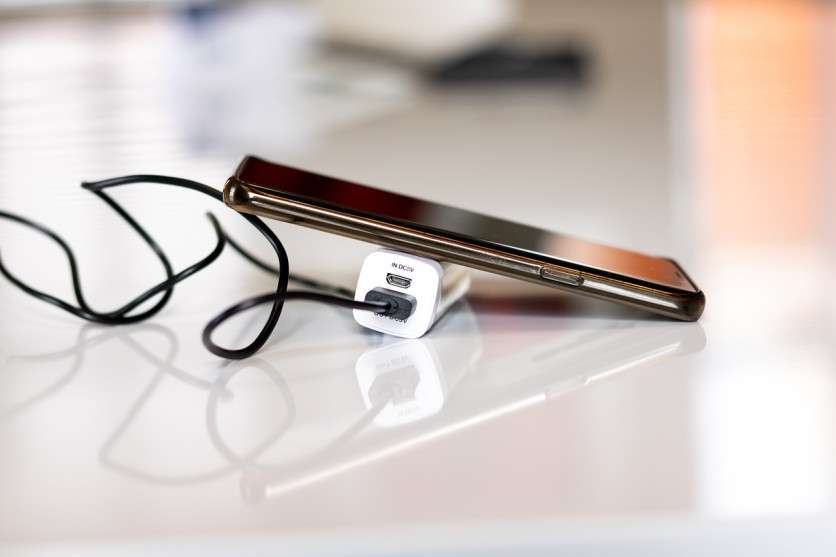
The recommended travel tech kit has shifted from "nice-to-have" to "non-negotiable." Travelers now juggle digital boarding passes, eSIMs, mobile wallets, and always‑on messaging, so having the right travel tech, from charging gear and travel adapters to smart wallets and compact 2026 travel gadgets, can determine whether a trip runs smoothly or stalls at the gate.
In this context, a well‑planned tech pack is less about collecting gadgets and more about covering a few critical needs: power, connectivity, and security.
Why Smart Travel Tech Matters in 2026
Modern trips revolve around phones, tablets, laptops, smartwatches, and wireless headphones, and each one depends on reliable power and data.
When a phone dies, access to maps, ride‑hailing apps, translation tools, and digital boarding passes disappear at once, which can derail a connection or hotel check-in in seconds. Thoughtful use of travel tech minimizes these risks without adding unnecessary bulk to a carry‑on.
More airports, airlines, and hotels are leaning into digital services that assume travelers have working devices at all times.
Mobile‑only boarding, digital room keys, and app‑based check‑ins make trips faster and more convenient, provided travelers have the charging gear and travel adapters they need. In that environment, a curated kit of 2026 travel gadgets is about making sure fundamental tasks never fail.
What Tech Do Travelers Really Need?
Despite the flood of new products, the core of a 2026 travel tech kit is straightforward. Most trips can be covered with a solid power bank, a compact multi‑port wall charger, a reliable universal travel adapter, a small set of durable cables, and a smart wallet that protects cards and cash.
Beyond those essentials, a few targeted extras, such as a luggage tracker, a digital luggage scale, or a Bluetooth adapter for in‑flight entertainment, can solve specific pain points without overstuffing a bag.
Building a Reliable Charging Gear Kit
Charging gear is the backbone of any travel setup. A good portable charger, or power bank, often makes the difference between a dead phone in a taxi queue and a full battery at boarding time.
For most travelers, a mid‑range capacity is the sweet spot: large enough to recharge a phone several times but small enough to stay light. Models with fast‑charging support and multiple ports help keep both phones and headphones topped up between long connections.
While portable chargers cover gaps during the day, a compact wall charger is just as important. GaN (gallium nitride) chargers are now a staple among 2026 travel gadgets because they offer higher power in smaller bodies than older bricks.
A single GaN charger with two or three outputs can fast‑charge a phone and a laptop from one outlet, reducing clutter in cramped hotel rooms and busy airport lounges.
For travelers carrying multiple devices, this kind of multi‑port charging gear is often more useful than packing separate chargers for each item.
Are Power Banks Allowed on Airplanes?
Airlines continue to allow portable chargers under clear conditions. Power banks must go in carry‑on baggage rather than checked luggage, and there are limits on capacity expressed in watt‑hours.
Most consumer‑level options fall within these limits, but travelers are safer choosing a unit with clearly labeled specifications to prevent delays at security. Keeping charging gear organized and easily accessible also helps when bags are screened.
Do Travelers Still Need a Wall Charger?
Even with a reliable power bank, a wall charger remains essential. A portable charger is a battery, not a power source, and it needs to be refilled during hotel stays, train rides, or time at the gate.
A single multi‑port GaN wall charger can top up the power bank and a primary device at the same time, ensuring both start the next day at full capacity. In practice, many travelers rely on a simple combination: one multi‑port wall charger, one mid‑sized power bank, and a couple of cables.
Travel Adapters 101: Plug In Anywhere
Travel adapters sit at the intersection of practicality and safety. Different regions use different plug types and voltages, and a universal adapter lets travelers use their existing charging gear abroad.
A plug adapter changes the shape of the plug so it fits local outlets, while a voltage converter changes the electrical output itself. Most modern phones, tablets, and laptops have chargers designed to handle a wide voltage range, but checking this on the label before departure helps prevent damage.
A universal travel adapter is often the easiest option for multi‑country itineraries. Many 2026 travel gadgets in this category combine sliding or modular plugs with built‑in USB‑A and USB‑C ports.
This lets a traveler plug the adapter into a wall, connect one laptop charger to the AC socket, and charge several smaller devices from the USB ports at the same time. Surge protection and a compact, solid build are worth prioritizing.
How Many Travel Adapters Are Enough?
The right number depends on group size and devices. A solo traveler with a phone and laptop might rely on one universal travel adapter plus a multi‑port charger, while a family in a single hotel room could benefit from two adapters to avoid bottlenecks.
The aim is to minimize the number of adapters by letting the charging gear handle multiple devices from each outlet.
Smart Wallets and Security Essentials
Smart wallets extend the idea of travel tech into personal security and money management.
Instead of functioning as simple card holders, they may include RFID‑blocking materials, Bluetooth connectivity, and support for slim tracking cards or tags. For international trips, these features can reduce the impact of loss or theft and make it easier to navigate crowded spaces.
An RFID‑blocking layer can help protect contactless cards from unauthorized scanning attempts, especially in busy public transport networks or tourist hotspots.
Smart wallets that integrate with tracking networks go a step further by working with phone apps to locate misplaced items. If a wallet is left in a café or rideshare, an alert and a map view can provide a starting point for retrieval.
Cables, Organizers, and Small 2026 Travel Gadgets
Cables and organizers rarely grab attention, but they determine how usable other devices feel.
A minimal set of high‑quality cables, such as USB‑C to USB‑C, USB‑C to Lightning where needed, and perhaps a multi‑tip universal cable, usually covers most charging scenarios. Braided or reinforced designs endure repeated packing better than flimsy alternatives.
An electronics organizer or simple tech pouch keeps small items together so they do not vanish into a backpack. Paired with a compact travel power strip or multi‑port charger, this setup allows one outlet to power several devices cleanly.
Among smaller 2026 travel gadgets, Bluetooth adapters for in‑flight entertainment, luggage trackers, digital luggage scales, and screen‑safe cleaning wipes stand out for solving concrete problems without adding much weight.
Building a Travel Tech Kit That Works in 2026
What ultimately matters is how well the chosen travel tech supports the realities of a trip. A carefully selected blend of charging gear, well‑designed travel adapters, secure smart wallets, and a few versatile 2026 travel gadgets can keep devices powered, payments protected, and logistics under control without weighing down a bag.
By focusing on essentials, understanding local power and connectivity needs, and choosing compact tools that pull double duty, travelers can build a 2026 travel tech kit that feels lean, reliable, and ready for almost any destination.
Frequently Asked Questions
1. Do I need a power strip if I already have a multi‑port charger?
A small travel power strip is helpful if outlets are scarce or awkwardly placed, but many travelers manage fine with just one multi‑port GaN charger plus a universal adapter.
2. Is it better to carry cash or rely on digital payments when using smart wallets?
A mix works best: keep a small amount of local cash for tips and cash‑only spots, and rely on cards and mobile payments stored in smart wallets for most purchases.
3. How early should I test my travel tech before a trip?
It's wise to test chargers, travel adapters, power banks, and smart wallets at least a few days before departure so there's time to replace any faulty item.
4. Are brand‑name 2026 travel gadgets always better than cheaper options?
Not always; brand‑name gear can offer better reliability and safety, but well‑reviewed budget gadgets that meet safety standards often perform just as well for many travelers.
ⓒ 2026 TECHTIMES.com All rights reserved. Do not reproduce without permission.


