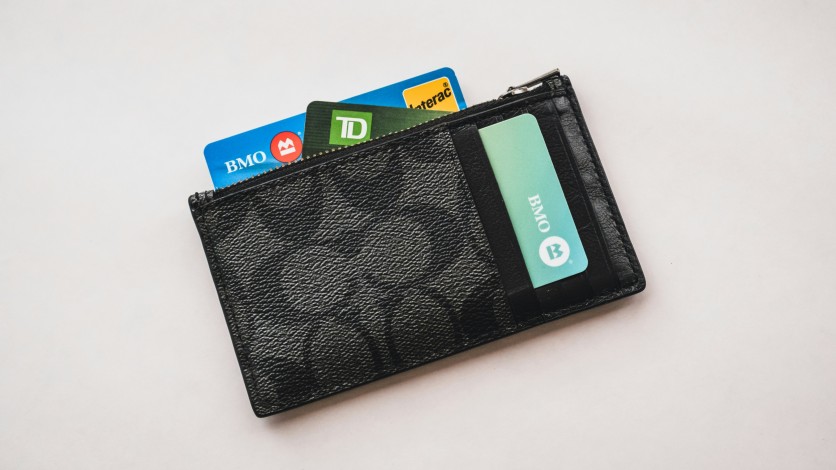
Smart wallet devices are gaining attention in 2026 as users look for ways to combine security, convenience, and modern design in everyday carry. A smart wallet reflects how digital wallet technology and e-wallet technology are shaping not just mobile payments but also physical accessories.
With digital payments expanding, features like NFC, RFID blocking, and contactless payments are now part of both hardware and software experiences, showing how wallets are moving beyond simple storage into connected tools focused on safety and ease of use.
This shift also reflects how people manage money and personal items today. Instead of relying only on traditional wallets, users are adopting systems that blend digital payments with physical protection.
As contactless payments become more common, smart wallets sit between convenience and security, helping users carry essentials, access payment systems, and stay organized in daily life.
What A Smart Wallet Can Do with Digital Wallet Technology
A smart wallet improves how users carry and organize essentials like cards, IDs, and cash by using slim designs that reduce bulk and support everyday efficiency. This reflects how digital payments and modern wallet design trends focus on simplicity while keeping physical access to important items.
Key features include tracking support, where some smart wallets connect to smartphones to help locate lost items through apps, showing how digital wallet technology extends beyond mobile use. Security is also enhanced through RFID blocking, which helps prevent unauthorized scanning as contactless payments grow.
Quick-access designs like pop-up card holders make it easier to retrieve cards, while some models connect with devices, blending physical storage with e-wallet technology for a more streamlined experience.
Why Digital Wallet Technology Matters In 2026 for Contactless Payments
In 2026, digital wallet technology is no longer limited to simple mobile payment apps. Users now expect faster, safer, and more connected systems that work across different devices. This shift has also influenced smart wallet designs, which follow the same principles used in modern digital payment systems.
Key Reasons It Matters
- Security-driven adoption: Contactless payments using NFC and RFID make transactions faster but increase concerns about data safety, pushing demand for better protection.
- RFID protection in smart wallets: Many smart wallets include RFID blocking and secure storage, reflecting priorities found in e-wallet technology like encryption and tokenization.
- Faster everyday transactions: Users want smoother experiences for transport, shopping, and access systems without unnecessary delays.
- Reduced daily friction: Smart wallets organize cards for quick access while maintaining security, supporting a more efficient routine.
- Blending physical and digital payments: These wallets combine physical convenience with digital payment behavior, fitting modern, fast-paced lifestyles.
Read more: Apple Wallet's Digital ID May Now Be Used for Age Verification on Apple Accounts, Services
Who Benefits Most From A Smart Wallet in Everyday Digital Payments
Smart wallets are most useful for people who want organization, simplicity, and a more efficient way to carry essentials. Frequent travelers, commuters, and minimalists often prefer compact designs that make card access easier. As digital wallet technology evolves, these users value tools that reduce clutter while improving everyday convenience.
Key User Groups
- Minimalists and organized users: Prefer slim, efficient carry setups that reduce bulk while keeping essentials accessible.
- Frequent travelers and commuters: Benefit from quick access to cards, IDs, and transit passes during daily movement.
- Security-focused users: Gain added protection through RFID blocking and tracking features that help secure sensitive data.
- Contactless payment users: Appreciate protection aligned with modern e-wallet technology habits and digital transactions.
- Multi-card carriers: Find smart wallets useful for managing multiple cards, IDs, and passes in one place.
Lifestyle Fit Considerations
- Traditional wallet users: May still prefer physical wallets if they rely heavily on cash or paper items.
- Digital-first users: Benefit more from smart wallet features tied to digital payments and connected systems.
- Convenience seekers: Value the balance of security, speed, and modern design integration.
- Security vs simplicity balance: Choice depends on whether users prioritize advanced features or straightforward carry.
A Smarter Approach to Contactless Payments and Everyday Carry
A smart wallet represents how everyday carry is evolving alongside digital wallet technology in 2026. By combining compact design, RFID protection, and optional connectivity features, it reflects the growing role of e-wallet technology in both physical and digital spaces.
The main advantage lies in balancing convenience and security, especially as contactless payments and NFC-based systems become more common. For users exploring modern wallet options, smart wallets offer a practical way to simplify daily carry while staying aligned with current digital payment habits.
Frequently Asked Questions
1. What is a smart wallet and how does it relate to digital wallet technology?
A smart wallet is a physical accessory designed to improve how users carry cards, cash, and IDs. It often includes features inspired by digital wallet technology, such as tracking and security protection. While it is not the same as a mobile payment app, it complements digital payment habits. It bridges physical storage with modern payment convenience.
2. Do smart wallets support NFC and contactless payments?
Some smart wallets are designed to support or store cards used for NFC and contactless payments. However, they do not process payments themselves like mobile wallets or apps. Instead, they securely hold cards that already support these technologies. The focus is on convenience and protection rather than direct transaction processing.
3. How does RFID blocking work in smart wallets?
RFID blocking prevents unauthorized scanning of card information by blocking radio frequency signals. This helps protect sensitive data stored on credit cards, IDs, and transit passes. It is especially useful in crowded public spaces where contactless theft risks are higher. This feature is a key part of many modern smart wallet designs.
4. Are smart wallets better than traditional wallets?
Smart wallets offer more features such as tracking, RFID protection, and slimmer designs. Traditional wallets may still be preferred for carrying larger amounts of cash or documents. The choice depends on user habits and how much they rely on digital payments. Both options serve different lifestyle needs effectively.
ⓒ 2026 TECHTIMES.com All rights reserved. Do not reproduce without permission.


