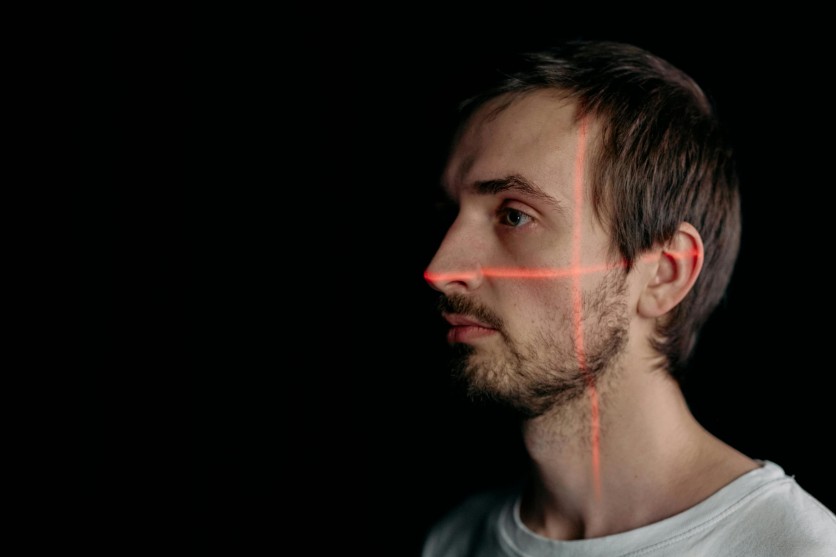
Deepfake scams are increasing at an alarming rate, surging over 520% in 2025 alone. AI-generated voices and faces are tricking people into transferring millions of dollars, often under the guise of family emergencies or urgent financial requests. Social media clips as short as three seconds can provide enough data for voice cloning, enabling attackers to bypass traditional verification measures. Cybersecurity deepfakes exploit these vulnerabilities, making even experienced users susceptible to fraud.
Protecting yourself requires more than technical awareness. AI scam prevention combines behavioral verification, hardware security measures, and vigilance to counter sophisticated AI attacks. Understanding deepfake detection tips and adopting digital safety strategies are essential for individuals and businesses seeking to safeguard finances, personal data, and online interactions against increasingly realistic AI-generated fraud.
Verifying Financial Requests and Video Content
Unexpected financial requests are the most common vectors for AI scam attacks. Deepfake detection tips emphasize always verifying through secondary channels. For example, if a family member calls claiming an emergency, follow up with a text or another call to confirm the situation.
Requesting live video of the person performing real-time actions, such as waving a hand or reading a random phrase, is highly effective because pre-recorded or AI-generated deepfakes cannot respond in real time. Observing video artifacts can also help identify fraud: unnatural blinking patterns (which occur 60% less frequently than normal), mismatched lip-sync, or inconsistent lighting and shadows often indicate synthetic content. Implementing these steps significantly lowers the risk of falling victim to financial scams.
Deepfake Detection Tips and AI Security Measures
Deepfake detection tips also involve digital investigation. Reverse image searches using tools like TinEye or Google Images can verify whether a photo or video has been used elsewhere online. Analyzing metadata can reveal AI generation timestamps, highlighting suspicious content.
AI scam prevention can be further strengthened by using hardware security keys such as YubiKey, which block unauthorized access even if credentials are stolen. Additionally, setting low bank transaction limits (e.g., $500 per day) and enabling biometric two-factor authentication ensures that any attempted fraudulent transaction requires physical presence. Cybersecurity deepfakes are largely ineffective against these behavioral proofs, making them essential for both individuals and businesses.
Additional Practical Safeguards:
- Enable account alerts for every login attempt, password change, or transaction.
- Use password managers to avoid phishing attempts that mimic login pages.
- Update devices regularly to patch vulnerabilities exploited by AI-driven attacks.
- Avoid posting voice notes or long videos publicly to reduce voice-cloning risk.
- Use VPNs and secure Wi-Fi networks to prevent interception of sensitive data.
- Teach family members not to respond to "urgent" video or voice messages without verification.
Enterprise and Consumer Tools for Digital Safety
Several advanced tools assist in detecting and mitigating deepfake scams. Microsoft Video Authenticator flags 90% of deepfakes by analyzing micro-expressions, while Hive Moderation scans audio spectrograms to identify synthetic speech. Call screening apps like Truecaller and Hiya block up to 85% of spoofed numbers, adding another layer of protection.
Enterprises can deploy solutions like Pindrop, which uses voice biometrics to detect 98% of synthetic audio. Educating family members on emergency "code words" ensures that no AI-generated call can bypass human verification. Integrating these tools with the behavioral and technical precautions outlined above creates a comprehensive digital safety guide that effectively combats deepfake scams.
Additional Digital Safety Tools & Practices:
- Use browser extensions that flag suspicious or AI-manipulated media.
- Set voice verification thresholds for business communication systems.
- Enable automatic spam call filtering on all mobile devices.
- Require multi-person approval for high-value financial transfers.
- Deploy network-level anomaly detection to spot unusual login patterns.
- Store sensitive documents in encrypted vaults to prevent identity misuse.
Conclusion
Deepfake scams are no longer hypothetical—they are a growing threat affecting millions of people worldwide. AI-generated voices and videos can impersonate family members, colleagues, or public figures, exploiting trust to commit fraud. Technical solutions alone cannot fully protect against these attacks, making education, vigilance, and behavioral verification critical.
Combining deepfake detection tips with AI scam prevention strategies creates a robust defense for individuals and organizations alike. Utilizing tools such as Microsoft Video Authenticator, reverse image searches, and biometric security, while training loved ones on emergency code words, ensures a multi-layered approach. A comprehensive digital safety guide equips users to navigate an increasingly AI-driven world, safeguarding finances, data, and online interactions against sophisticated synthetic media threats.
Frequently Asked Questions
1. How quickly can AI clone voices?
A three-second social media clip is sufficient to create a convincing AI voice clone. With modern tools, the cloned voice can be used in real-time calls or audio messages that sound authentic. Voice synthesis has become remarkably precise, making human vigilance crucial. AI scam prevention measures remain the most effective counter.
2. What reveals a deepfake video instantly?
Requesting real-time actions, like waving a hand or reading a random phrase, exposes pre-recorded deepfakes immediately. Checking for inconsistent shadows, lighting, and unnatural eye blinking also helps. Frame-by-frame analysis can highlight artifacts typical of synthetic video. Combining multiple checks strengthens detection.
3. Do banks detect deepfake voice scams?
Currently, only about 20% of banks have systems capable of identifying AI-generated voice scams. Behavioral verification and additional authentication remain critical for preventing fraud. Monitoring transaction anomalies and setting alerts can reduce exposure. Financial vigilance complements technological defenses.
4. What is the best free deepfake detection tool?
Microsoft Video Authenticator allows live analysis of video frames and audio to flag deepfakes. It can be used on personal or professional content without additional cost. Combining it with reverse image searches enhances accuracy. While not foolproof, it is highly effective for preliminary detection.
ⓒ 2026 TECHTIMES.com All rights reserved. Do not reproduce without permission.


