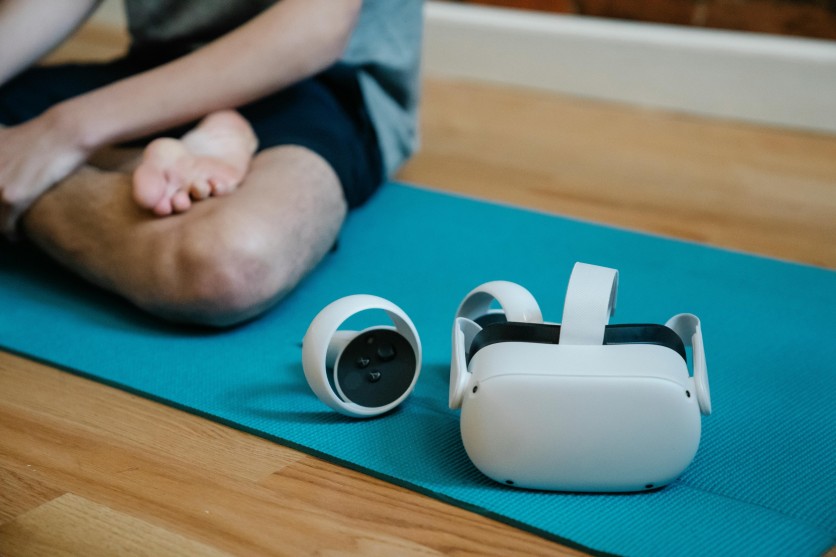
VR fitness games are reshaping how people approach at-home workouts, combining immersive experiences with measurable fitness outcomes. The market is projected to grow at a 38% CAGR through 2033, creating a $186M+ virtual gym industry by 2025. Meta Quest, FitXR, and Supernatural lead the charge, offering boxing, rhythm, and HIIT workouts that burn 500–800 calories per hour. Gamified elements enhance motivation, increasing adherence by 40% compared to traditional cardio, while immersive visuals and real-time feedback create a more engaging exercise experience.
By integrating tracking metrics, social interaction, and adaptive coaching, VR fitness games transform home environments into fully interactive gyms. Users can enjoy challenging workouts without commuting, while hardware and software improvements continue to broaden accessibility. These advances make VR fitness games a viable long-term solution for sustainable, enjoyable at-home workouts, bridging the gap between technology and physical health.
Immersive Gameplay and High-Intensity Training
VR fitness games deliver intense, engaging workouts that rival traditional high-intensity training, offering full-body movement, precise tracking, and elevated calorie burn.
- Meta Quest 3 delivers ultra-responsive gameplay with its 120Hz tracking, allowing players to strike, dodge, and move with precision. In Beat Saber and similar rhythm titles, users can reach 12–15 METs—levels comparable to CrossFit circuits or sprint intervals. The mixed-reality passthrough also enables safer movement in small rooms, making high-intensity sessions accessible even in compact spaces.
- FitXR elevates the virtual gym experience with multiplayer functionality that syncs heart rates and performance metrics between users worldwide. Real-time leaderboards, instructor-led classes, and avatar visibility boost accountability and replicate the energy of a physical studio. Its boxing, HIIT, and dance modes keep sessions diverse and prevent workout plateaus.
- Supernatural enhances intensity with scenic environments paired with coach-guided HIIT routines. Sweeping landscapes—mountaintops, deserts, and glaciers—reduce workout fatigue by improving psychological immersion. The program's 92% retention rate demonstrates that daily variety, curated playlists, and personalized coaching create long-term engagement far beyond that of typical home fitness apps.
Collectively, these platforms transform at-home workouts into dynamic, motivating fitness sessions, ensuring users remain physically challenged and mentally stimulated through game-like progression and immersive design.
Technology Enhancing Virtual Gym Experience
Virtual gym platforms integrate advanced technologies that optimize performance, track improvement, and encourage consistent workout habits.
- Apple Health and Google Fit integration allow VR workouts to sync directly with daily activity metrics, providing accurate tracking of calorie burn, heart rate zones, and VO₂ max development. This creates a holistic view of fitness and helps users monitor progress the same way they would with a smart gym setup.
- AI-powered coaches add another layer of personalization, analyzing body posture and movement through headset cameras. These systems deliver real-time corrections—such as adjusting punch height, stance, or squat form—mirroring the experience of having a personal trainer in the room.
- Haptic vests and controller feedback enhance immersion by simulating impact during boxing or resistance training. This tactile feedback strengthens the mind–muscle connection, encourages proper form, and increases workout satisfaction.
- At-home VR workouts also remove commuting barriers, making it easier to maintain a consistent routine. The convenience of launching a session instantly—without gym setups or equipment changes—reduces friction and increases adherence.
- Progression systems, such as unlockable levels, performance scores, badges, and weekly challenges, add a gamified structure that keeps users motivated for months.
By combining these technologies, virtual gyms ensure users experience measurable fitness improvements, engaging gameplay, and reliable long-term motivation—all without ever leaving home.
Accessibility, Engagement, and Health Benefits
VR fitness games make at-home workouts more engaging and accessible for people of all fitness levels, offering physical, mental, and financial benefits.
- The high engagement rate—70% of users exercising 5+ days per week on Meta and FitXR—demonstrates that immersive experiences outperform traditional fitness apps, where motivation typically drops off within weeks. The interactive nature of VR keeps users returning, turning exercise into a rewarding daily habit.
- Boxing and rhythm-based titles reduce stress hormones up to 25% more effectively than treadmill running because immersive gameplay distracts the brain from fatigue. This combination of physical intensity and mental escapism makes VR an effective tool not just for fitness, but also for emotional well-being and stress relief.
- The affordability of Quest 3, now under $500, allows more households to access mixed-reality exercise options that previously required costly gym memberships or specialized equipment. As VR headsets become more affordable, home exercise becomes more inclusive for people of all ages and fitness levels.
- Resistance modes in certain VR games activate 70–80% of the same muscle groups used during real free weight training, providing measurable strength benefits—even without physical weights. These modes increase the intensity of punches, squats, lunges, and core movements, making VR a legitimate muscle-building option for beginners.
- Multiplayer features further enhance engagement by offering virtual group workouts, accountability partners, and community challenges, allowing users to stay connected and motivated even when exercising alone at home.
Together, these features make VR fitness a compelling alternative to conventional home workouts—effective, enjoyable, and highly accessible for people seeking sustainable fitness results.
Conclusion
VR fitness games are redefining the virtual gym experience, making at-home workouts immersive, effective, and enjoyable. Gamified systems, AI coaching, and haptic feedback create workouts that challenge both body and mind while keeping users motivated.
Hardware democratization, such as affordable VR headsets like Meta Quest 3, accelerates mainstream adoption, making advanced fitness technology accessible to a wider audience. By combining engaging gameplay, measurable fitness outcomes, and social interaction, VR fitness games offer a long-term solution for at-home workouts that seamlessly blend fun and health benefits.
Frequently Asked Questions
1. What VR headset is best for fitness games?
Meta Quest 3 offers 120Hz tracking and mixed reality passthrough.
2. How many calories do VR fitness games burn?
500–800 calories per hour across boxing and rhythm-based genres.
3. Do VR workouts build real muscle?
Yes, resistance modes achieve 70–80% of free weight activation.
4. Are VR fitness classes multiplayer?
FitXR and Supernatural offer global group sessions to boost motivation.
ⓒ 2026 TECHTIMES.com All rights reserved. Do not reproduce without permission.


