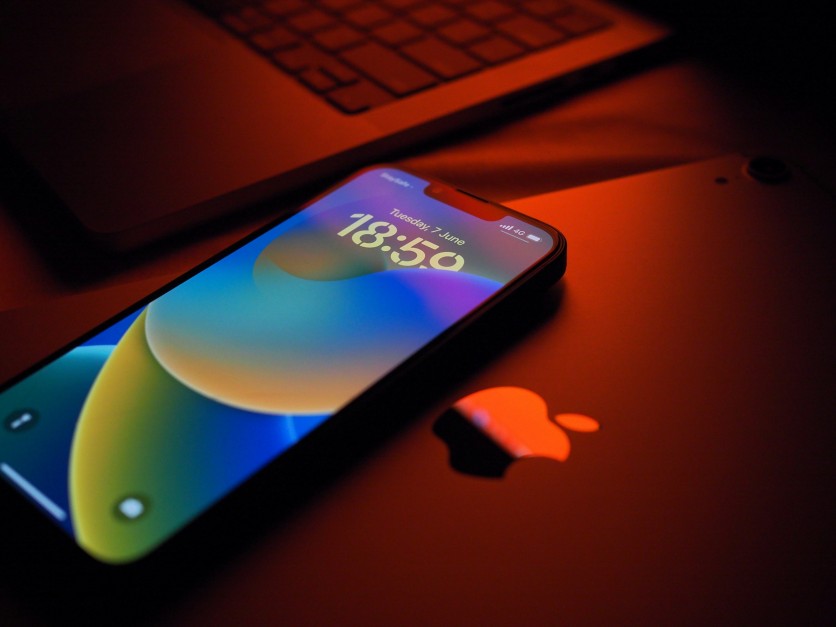
Apple software leak indicates iOS 28 is set for a fall 2028 release, introducing Liquid Retina OS to unify iPhone, iPad, and Mac interfaces. Dynamic theming adapts system-wide visuals, allowing apps to respond to time of day, device orientation, and user context. iOS 28 leaks also highlight Apple's continued commitment to long-term support, dropping the iPhone 11 series while requiring an A13 chip or newer to unlock full Apple Intelligence 3.0 features. VisionOS 4 integration previews a spatial computing future across the ecosystem, laying groundwork for AR glasses compatibility in 2029. With these updates, Apple software leak insights position iOS 28 as a major convergence point, merging mobile, desktop, and spatial computing experiences into a cohesive ecosystem.
The leak further confirms performance enhancements, smoother multitasking, and tighter integration with macOS and watchOS. System intelligence optimizes battery life across all devices, while iCloud and Continuity features extend functionality between iPhone, iPad, Mac, and upcoming AR platforms. Developers gain unified tools for SwiftUI and RealityKit 4, enabling richer apps across devices. Early iOS 28 leaks suggest a focus on privacy, security, and spatial computing, indicating Apple's strategic direction for the next decade. Users can anticipate an ecosystem where hardware and software converge seamlessly, with AI-driven personalization and cross-device experiences becoming standard.
iOS 27 Innovations
iOS 27 introduces Live Compositions, blending Photos and Music with AI to generate 4K videos from voice prompts almost instantly. Apple software leak shows iPadOS 27 Stage Manager 3.0 supporting up to 12 external displays via Thunderbolt 5, expanding multitasking possibilities. macOS 16 "Monterey 2" also revives Intel support through 2030, ensuring enterprise continuity. These features showcase Apple software leak intentions to unify productivity and creative workflows across devices. Users benefit from smarter AI-driven media tools, extended display setups, and backward compatibility for older Intel-based Macs, bridging the gap during the transition to Apple Silicon.
iOS 28 Hardware & Interface Leaks
iOS 28 leaks indicate under-display Face ID for Pro iPhones, removing the notch while Dynamic Island evolves into a pill-shaped sensor hub. Apple software leak also confirms watchOS 13 adding non-invasive blood glucose monitoring via optical spectroscopy. tvOS 20 introduces 8K Dolby Vision matrix upscaling, rivaling high-end media players natively. These enhancements demonstrate Apple software leak plans to push the boundaries of hardware and interface innovation, emphasizing health, entertainment, and device aesthetics. The integration of advanced biometric sensors and immersive media experiences reinforces Apple's ecosystem leadership, combining performance, convenience, and next-gen technology in a single package.
Key Features:
- Under-display Face ID eliminates the notch on Pro iPhones.
- Dynamic Island evolves into a pill-shaped sensor hub.
- watchOS 13 offers non-invasive blood glucose monitoring via optical spectroscopy.
- tvOS 20 supports 8K Dolby Vision matrix upscaling natively.
- Advanced biometric sensors enhance security and convenience.
- Immersive media experiences boost entertainment and ecosystem integration.
iOS 28 Spatial & Smart Features
iOS 28 leaks reveal visionOS-native iPhone apps, with spatial Safari rendering 3D websites controlled via eye tracking and hand gestures. Apple software leak shows CarPlay Ultra previewing Level 3 autonomy displays with 180° fisheye integration of real and virtual lanes. HomeKit Secure Video scales to 50 cameras simultaneously using M5 NPU edge processing, eliminating cloud dependency. These features reflect Apple software leak priorities for spatial computing, AR interaction, and home automation. By leveraging edge AI and seamless integration, iOS 28 ensures responsive, private, and immersive experiences, supporting developers to innovate across mobile, AR, and automotive contexts.
Key Features:
- visionOS-native iPhone apps enhance spatial computing.
- Spatial Safari renders 3D websites with eye tracking and hand gesture control.
- CarPlay Ultra previews Level 3 autonomy with 180° fisheye lane integration.
- HomeKit Secure Video supports up to 50 cameras with M5 NPU edge processing.
- Edge AI enables private, low-latency AR and home automation.
- Seamless integration encourages developer innovation across mobile, AR, and automotive contexts.
Security & Developer Roadmap
Security enhancements for iOS 28 require passkeys universally, deprecating passwords for biometric-only logins enterprise-wide. Developer tools unify SwiftUI across platforms, while RealityKit 4 accelerates AR app development 10x through Metal 5 raytracing. Apple software leak shows a focus on both security and developer productivity, enabling safer apps and faster AR workflows. These improvements ensure that iOS 28 not only elevates user experiences but also provides a robust framework for developers to create cross-device applications efficiently and securely.
Conclusion
Apple software leak and iOS 28 leaks illustrate a transformative roadmap, unifying mobile, desktop, and spatial computing under a single ecosystem. Liquid Retina OS, VisionOS 4, and integrated AI make iPhones, iPads, Macs, and AR devices more intelligent, connected, and adaptive. The update also reinforces Apple's commitment to long-term support, privacy, and security while pushing performance limits with A13+ chip requirements.
Spatial computing, AR integration, and advanced biometrics position Apple as a leader in the next-generation tech landscape, enabling seamless experiences across devices. Developers gain accelerated tools for SwiftUI, RealityKit, and cross-device apps, while users benefit from optimized battery life, privacy-first features, and immersive interactions. iOS 28 promises a future-ready ecosystem where Apple's hardware-software synergy defines the next decade of technology.
Frequently Asked Questions
1. iOS 28 compatible iPhones?
iOS 28 supports iPhone 12 and newer, dropping the iPhone 11 series. Older devices cannot access full AI or Liquid Retina features. Users with compatible devices will experience faster performance and longer support cycles. Early adoption ensures access to all new spatial and AR capabilities.
2. Apple software leaks AR features?
Spatial Safari renders 3D websites with eye tracking and gestures. VisionOS-native iPhone apps extend AR experiences. CarPlay Ultra integrates real and virtual lanes for Level 3 autonomy. These updates unify mobile and spatial AR seamlessly.
3. iOS 28 leaks battery impact?
A19 efficiency gains +15% endurance on Pro models. Power optimization extends daily usage while supporting demanding AR and 8K media. Background AI computations are balanced for minimal drain. Overall, devices achieve longer run time with intensive workflows.
4. watchOS 13 health additions?
Non-invasive blood glucose monitoring via optical spectroscopy is included. Heart rate, SpO2, and sleep tracking remain fully integrated. HealthKit aggregates data across devices for insights. Users can manage wellness with minimal friction.
ⓒ 2026 TECHTIMES.com All rights reserved. Do not reproduce without permission.


