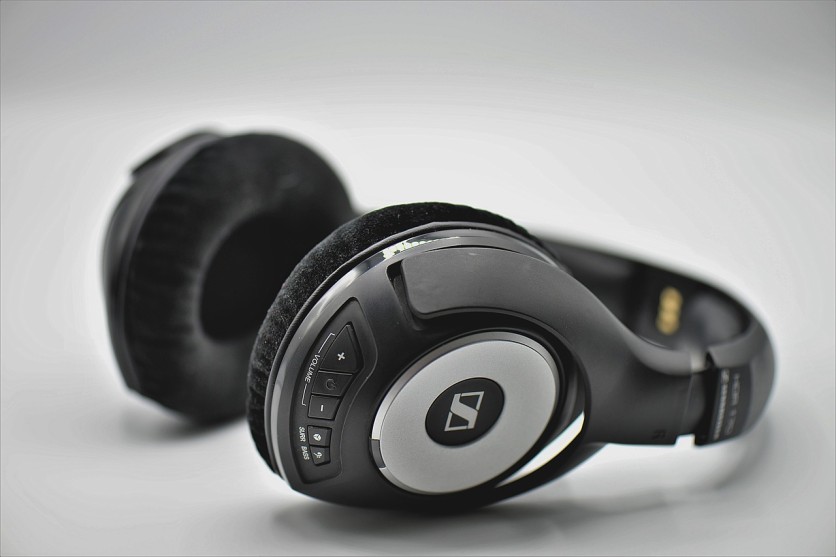
The gaming audio landscape has transformed significantly over the past decade. What was once a simple choice between comfort and performance has evolved into a complex decision shaped by technology, connection types, and user preferences for gaming headsets.
The debate of wired vs wireless headset options continues, especially among competitive gamers who demand precision audio and zero lag. But in 2026, does the latency gap that once existed still influence this choice?
Understanding whether today's wireless gaming headsets can match wired models provides insight into how far gaming technology has advanced, and what players can expect from the best gaming headset 2026.
What Is Latency in Gaming Headsets?
Latency, in simple terms, refers to the delay between when a sound is produced in a game and when the player hears it through their headset. In fast-paced gameplay, like first-person shooters or racing titles, every millisecond counts. A fraction of a second can alter reaction time, teamwork coordination, or even the outcome of a match.
For wired headsets, latency is virtually nonexistent because sound travels directly through a physical cable. Wireless models, on the other hand, rely on radio waves or Bluetooth to transmit sound data.
Historically, these connections introduced minor delays, noticeable when aiming or syncing actions with sound cues. This is what gamers usually mean when they discuss gaming headset latency.
Wired vs Wireless Gaming Headsets: Is the Latency Gap Still Real?
The debate between wired vs wireless headset options has evolved as gaming technology continues to advance. Once considered the slower, less reliable choice, wireless gaming headsets have significantly improved in recent years.
Developers have reduced latency, strengthened signal reliability, and added features that rival even high-end wired models. As gamers enter 2026, the question lingers, is there still a real latency gap between wired and wireless gaming headsets?
Understanding how today's gaming audio systems operate can help players make a more informed decision about their next upgrade.
Is a Wired or Wireless Headset Better for Gaming?
When comparing wired vs wireless headset options, the answer depends largely on the player's priorities. Wired headsets remain unbeatable for pure performance, ensuring stable audio quality without worrying about battery life or interference. They also typically cost less than equally capable wireless versions.
Wireless gaming headsets, however, offer unmatched convenience. Gamers can move freely across their setup, play on consoles, or switch between devices like PCs and handhelds. As battery life and charging solutions have improved, with models offering up to 40 hours of continuous playtime, the trade-off has become minimal.
For gamers who value stability and reliability during competitive play, wired remains the standard. For those who prioritize comfort, versatility, and modern features like noise cancellation or multi-device connectivity, wireless headsets are now a dependable choice.
Can You Notice Latency in Wireless Headsets?
Whether latency is noticeable depends on a person's sensitivity to timing and the nature of the game being played. Most people begin to perceive delay in sound around the 40 ms threshold. Today's premium wireless headsets often operate well below that.
However, certain fast-paced genres amplify any lag. In competitive first-person shooters, fighting games, or rhythm-based titles, even a 10–20 ms delay might feel slightly "off." On the other hand, in RPGs, open-world adventures, and story-driven experiences, the effect is negligible.
It's also worth noting that latency can stack with other factors, such as system performance, controller lag, or poor wireless environments, so total response time can vary depending on the setup.
How to Reduce Wireless Gaming Headset Latency
Gamers can take several steps to reduce latency in wireless headset setups:
- Use a dedicated USB dongle: Headsets with 2.4GHz transmitters offer stronger, faster connections than standard Bluetooth models.
- Stay close to the receiver: Maintaining a clear line of sight and avoiding signal interference from Wi-Fi routers or metal surfaces can reduce delay.
- Update firmware and software: Manufacturers frequently improve transmission algorithms via updates.
- Choose low-latency modes: Some headsets feature toggleable modes optimized for gaming rather than music or movie playback.
Even with these precautions, it's important to test different setups to find the sweet spot between audio quality and responsiveness. Each system and environment behaves a bit differently.
Best Gaming Headset 2026: Wired and Wireless Models Worth Considering
When choosing the best gaming headset 2026, the focus should be on latency, comfort, and overall sound accuracy. Below are some top-rated examples in both categories:
Best Wired Gaming Headsets 2026
- HyperX Cloud Alpha S: Known for its clear positional audio and reliable zero-delay connection, ideal for competitive players.
- Audio-Technica ATH-M50x Gaming Edition: Praised for detailed sound and professional-quality construction at a mid-range price.
- Beyerdynamic MMX 300 (2nd Gen): Offers broadcast-level clarity, perfect for gamers who stream frequently.
Best Wireless Gaming Headsets 2026
- SteelSeries Arctis Nova Pro Wireless: Combines lossless 2.4GHz connection with simultaneous Bluetooth, with latency virtually indistinguishable from wired.
- Razer BlackShark V2 Pro (2026 Refresh): Features HyperSpeed technology and plush comfort for long sessions.
- Logitech Pro X 2 Lightspeed: Offers studio-grade audio and sub-20 ms latency, ideal for esports.
Each model serves a specific type of gamer. Those seeking untethered convenience can trust newer wireless designs without compromise, while wired remains preferred for players who demand instantaneous feedback every time.
Why the Latency Divide Is Fading Fast
The concept of a significant latency gap between wired and wireless gaming headsets now feels increasingly outdated. While wired versions are still slightly faster in absolute technical terms, today's wireless designs have improved to the point where human perception rarely detects the difference.
Gamers now make choices based less on raw latency numbers and more on personal preference, comfort, and the features they value most. Wireless freedom no longer means sacrificing response time, and wired precision no longer demands bulky setups.
In 2026, the best choice depends less on technology limitations and more on lifestyle priorities. Competitive players may still favor the assurance of wired precision, while most others experience wireless gaming without compromise.
The gap that once defined the wired vs wireless headset debate has nearly vanished, proving how far gaming audio has come, and how close seamless sound performance has finally become for everyone.
Frequently Asked Questions
1. Do wired headsets have better sound quality than wireless ones?
While wired headsets traditionally offered cleaner audio due to lossless signal transmission, modern wireless models with high-bitrate codecs and 2.4GHz connections now match or exceed that clarity. The difference in sound quality depends more on the headset's drivers and tuning than on the connection type itself.
2. How does battery life affect gaming headset performance?
Battery life doesn't directly impact sound quality or latency, but a low battery can cause intermittent dropouts or weaker wireless signals. Regularly charging or using quick-charge models ensures consistent audio performance, especially during long gaming sessions.
3. Can wireless gaming headsets connect to multiple devices at once?
Yes, some of the best gaming headset 2026 models feature dual connectivity modes, such as simultaneous 2.4GHz and Bluetooth pairing. This allows users to take phone calls or listen to music while remaining connected to their PC or console, a feature unavailable in most wired setups.
4. Are Bluetooth-only headsets good for competitive gaming?
Bluetooth-only models often have higher latency than dedicated gaming headsets using 2.4GHz dongles. While fine for casual play, they may introduce enough delay to affect timing-sensitive games. Competitive players are generally advised to use wired or low-latency wireless headsets for optimal response.
ⓒ 2026 TECHTIMES.com All rights reserved. Do not reproduce without permission.


