The NASA Artemis II mission is about to start soon. Just last month, the international space agency successfully resolved the technical issue that forced the rollback of its Space Launch System (SLS) rocket and Orion spacecraft from the launch pad.
The 322-foot vehicle will soon return to Launch Complex 39B at Kennedy Space Center after engineers identified and repaired a helium flow obstruction in the upper stage.
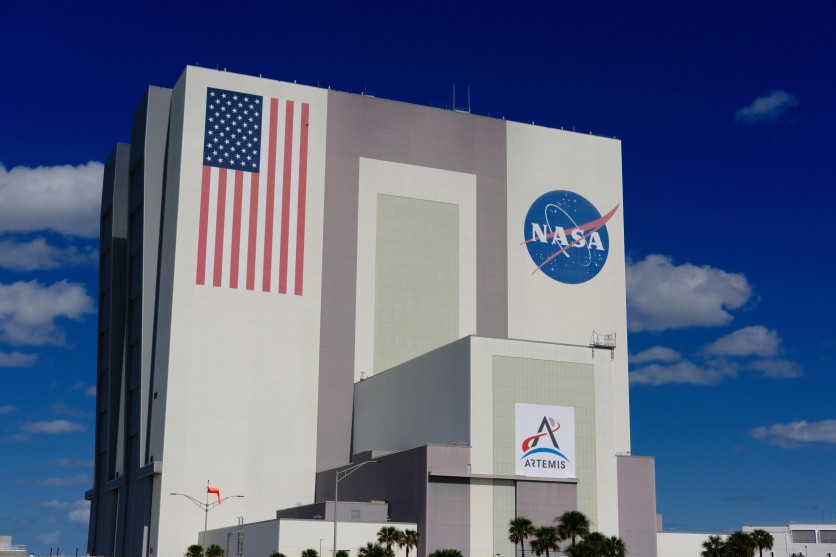
Engineers Complete Repairs Inside the VAB
Ars Technica reported that the problem emerged shortly after a successful fueling test on February 21, when NASA loaded the SLS with super-cooled propellants and resolved a previous hydrogen leak. However, ground crews soon discovered they could not properly flow helium into the rocket's upper stage.
Because the upper-stage umbilical connections are only accessible inside the Vehicle Assembly Building (VAB), mission managers decided to roll the rocket back for closer inspection and repairs.
Inside the VAB, technicians determined that a displaced seal within a quick-disconnect fitting had restricted the helium flow. Engineers removed and reassembled the affected component, then validated the repair through controlled helium flow tests.
NASA is now investigating why the seal became dislodged to prevent similar issues in future missions.
While the rocket remains inside the VAB, teams are also refreshing several critical systems. These upgrades include installing new flight termination system batteries, replacing flight batteries across the core stage and solid rocket boosters, recharging Orion's launch abort system, and swapping out a seal on the liquid oxygen feed line. The additional steps aim to ensure optimal readiness ahead of the next launch attempt.
Read more: NASA Tests 3 Drones in Death Valley to Prepare for Mars Mission and Solve Ingenuity's Issues
Artemis II Launch Window Approaches
NASA plans to return the SLS and Orion stack to the pad later this month, targeting early April launch opportunities beginning April 1. This is not an April Fool's joke to begin with, since the team is seriously considering exploring the deeper parts of the moon soon.
Artemis II will mark the first crewed mission to orbit the Moon since 1972 and the inaugural human flight of NASA's Artemis program.
ⓒ 2026 TECHTIMES.com All rights reserved. Do not reproduce without permission.


