OpenAI is reportedly negotiating a landmark energy agreement with nuclear fusion startup Helion Energy, potentially securing gigawatts of electricity to power its AI operations.
The deal secures 5 gigawatts by 2030, scaling to 50 gigawatts by 2035. The initial allocation would represent roughly 12.5% of Helion's production, a substantial jump from the company's current commercial commitments.
Helion's Production Scale
To grasp the magnitude of this plan, Helion's existing commercial contracts total 50 megawatts with Microsoft, alongside a planned 500-megawatt plant with Nucor.
According to Axios, each Helion reactor produces approximately 50 megawatts, meaning the 2030 target would require about 100 reactors, while the 2035 goal would demand ten times that number. Meeting these targets will require significant investments in reactor construction and infrastructure expansion.
Helion's Fusion Technology
Founded in Everett, Washington, in 2013, Helion Energy uses magnet-based fusion reactors that convert energy directly into electricity, bypassing traditional steam turbines. The method promises higher efficiency, fewer moving parts, and zero long-lived radioactive waste.
Furthermore, the reactors run on deuterium and helium-3. In February 2026, Helion achieved a breakthrough by reaching plasma temperatures of 150 million degrees Celsius.
Altman Steps Aside
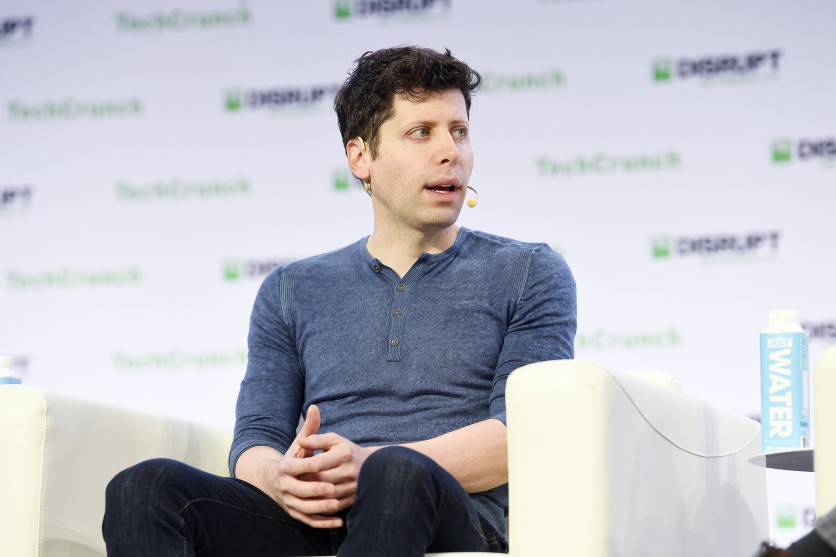
OpenAI CEO Sam Altman, who is also the largest individual investor in Helion, has stepped down from Helion's board and recused himself from negotiations to avoid conflicts of interest, according to The Next Web.
Altman's stake in Helion is estimated at $375 million. This immediately prompted careful governance oversight by the company's board.
Challenges Ahead
While the negotiations are promising, several hurdles remain. OpenAI's potential supply depends on site selection, scaling Helion's production, and achieving net electricity generation at a commercial scale, a milestone not yet demonstrated by fusion technology.
If successful, the agreement could be historic for both the AI and energy sectors. OpenAI could operate on near-limitless clean energy, dramatically reducing operational costs and environmental impact.
For Helion's part, the deal would mark a major commercial breakthrough, accelerating the adoption of fusion as a viable energy source.
ⓒ 2026 TECHTIMES.com All rights reserved. Do not reproduce without permission.


